In brief
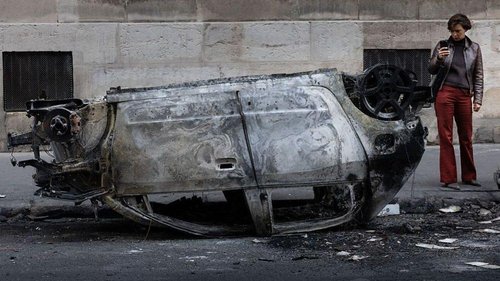
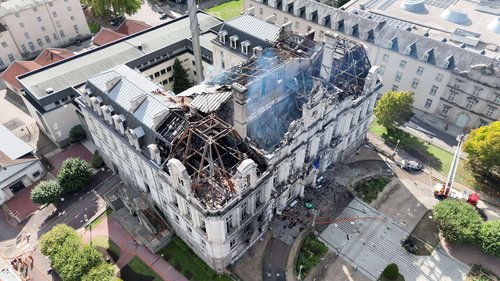
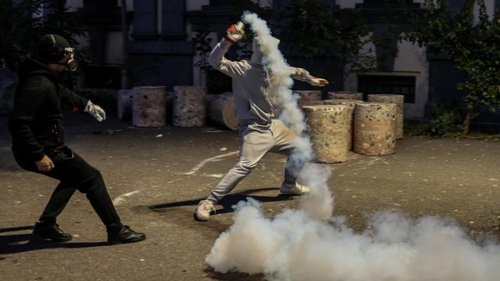
A month after leaving a country devastated by police clashes and riots, France braces for a massive protest mobilisation. President Macron faces criticism amid looming elections, as student unions, trade unions and the revived gilets jaunes juggernaut plan city‑wide marches. Interior Minister Laurent Nunez vows a strict police response, announcing 70,000 officers and bans on unregulated gatherings. However, authorities have already seen some municipalities suspend public transport and shutter cultural sites in anticipation of unrest. As the nation reels from looting and arson, the protests could signal deeper disaffection ahead of France’s most contested presidential race in a generation.
France is on high alert with 70,000 police officers deployed across the country ahead of a new wave of demonstrations slated for Saturday, just a week after the nation endured its worst unrest in decades.
The interior ministry has "ramped up the security presence in French cities," warning that policing will be "uncompromising with the vandals, the looters and all those who commit acts of violence." Social media alerts have identified far‑left calls for violence, prompting swiftness in judicial responses: hundreds have been jailed, 232 arrested for looting or arson, and 1,100 appeared in court.
President Emmanuel Macron met student leaders the day before, pledging commitments but urging continued mobilisation. This week he declared that only trade‑union‑organised demonstrations would be allowed Saturday, though several cities—Lyon, Nice, Montpellier—issued blanket bans that have had little effect on organisers.
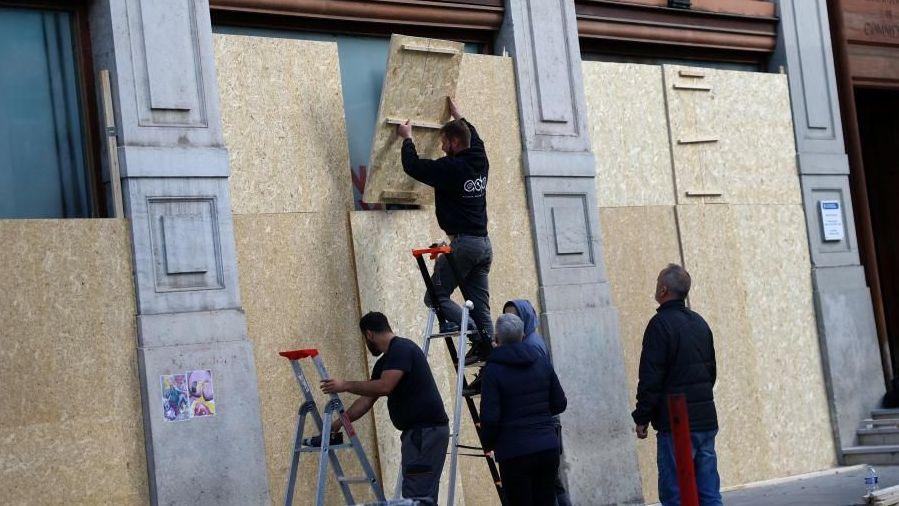
Paris’s prominent sites will remain closed: the Louvre, Orsay and Picasso museums will be shut, and a PSG home match moved to Monday. Local authorities have boarded up business windows and are preparing for potential looting, while curfew partials remain in effect in parts of the capital.
The protest movement has largely transformed into a broad anti‑government campaign, drawing support from both left and right strands. A revived "gilets jaunes" website lists over 500 planned demonstrations on Saturday and calls for Macron’s resignation.
Disillusionment runs high due to cost‑of‑living pressures, a spiralling debt crisis, and a politicised, divided electorate. While Macron’s centrist movement struggles to form stable governments, the upcoming election could see a run‑off between Marine Le Pen’s National Rally and Jean‑Luc Mélenchon’s France Unbowed.
All roads are paved for an explosive Saturday: the demonstrations will spread, authorities will act, and the consequences will reverberate across French politics and society.