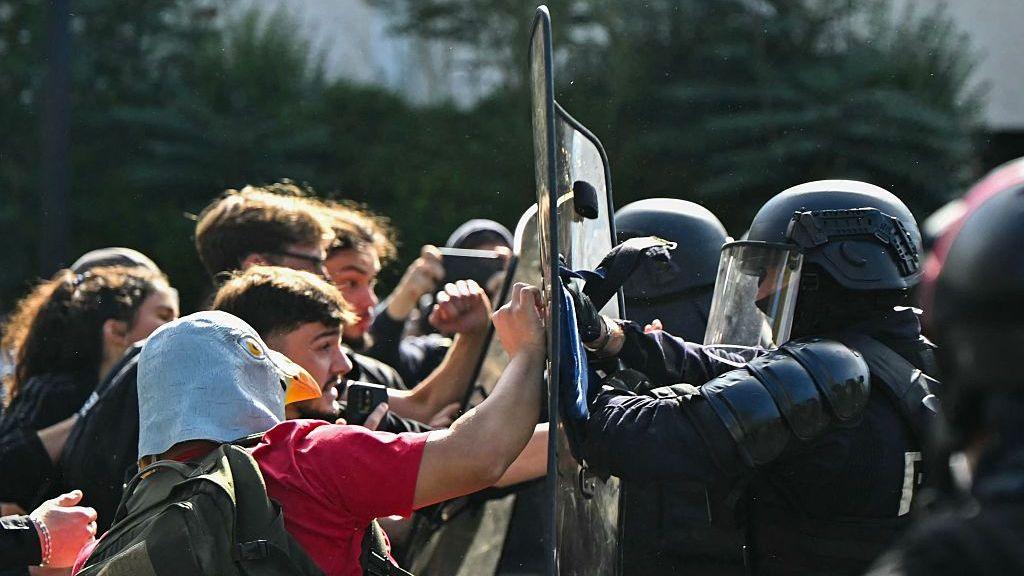

Since the 1968 student upheavals, French leaders have treated youth unrest as a sign of deep social unrest. The current wave began in the low‑income suburb of Seine‑Saint‑Denis and has since spread to more than four hundred secondary schools nationwide.
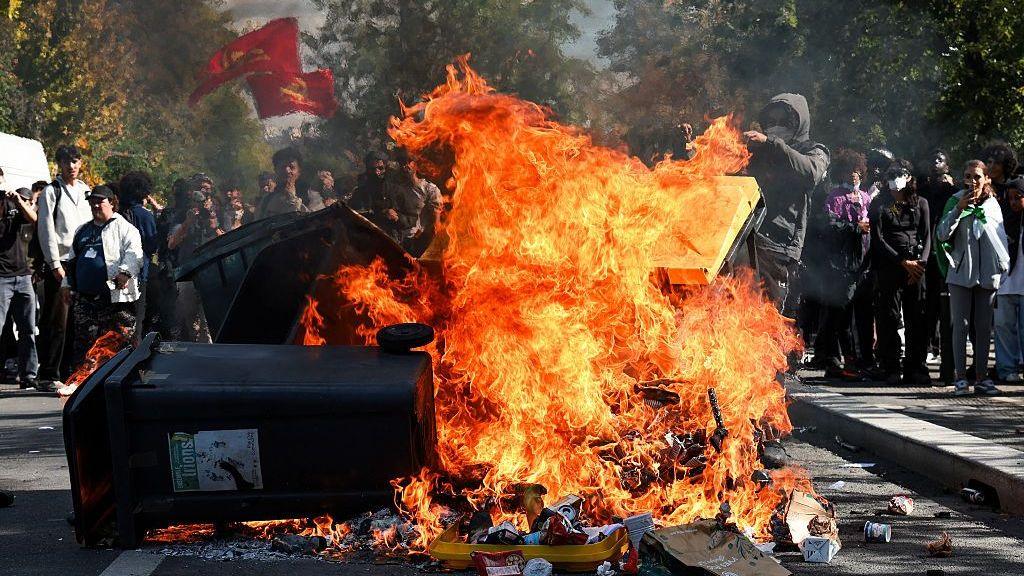
On the Saturday of the week, the main hall of a Nantes lycée suffered fire damage, and smaller incendiary incidents were reported at entrances across the country. Education Minister Édouard Geffray stated that about sixty‑five teachers, including forty principals, were injured – most of whom said the assailants were not their pupils. Police and firefighters also report roughly three hundred injuries, while two thousand people, largely minors, were taken into custody.
Students claim they are demanding additional resources: more teachers, smaller class sizes, and improved facilities. The demands are largely economic – a reaction to a decade of fiscal tightening, including the recent announcement of a €54 billion budget cut for next year.
While many agree the students’ call for better funding is legitimate, the movement has attracted scrutiny from both the political left and right. Some French officials allege that the far‑left France Unbowed party (LFI) and its presidential candidate Jean‑Luc Mélenchon are steering the protests to strengthen their appeal among young voters. LFI leaders deny a direct role, stressing they only support legitimate student pressure.
Policymakers warn that unchecked violence could destabilise an already polarized society turning towards an upcoming election. In a separate leak, a Paris police internal report suggested that non‑students, far‑left student unions and activist groups, including LFI, were present at several protest sites, possibly orchestrating the escalation. LFI’s influence is strongest in the suburbs where many 18‑to‑24 year-olds live, according to public opinion polls that find strong support among that demographic.
Whether the protests will ultimately change the budget or influence the presidential race remains uncertain. The current incidents highlight the risks when social movements intersect with political opportunism, and illustrate a broader tension: the French state’s attempt to control public funds while maintaining social peace in a highly stratified society.
In a broader context, the protests echo a global trend where youth activism is increasingly tied to political agendas. How France resolves this conflict between governmental austerity and youthful demands could shape its political culture for years to come.