ATLANTA (AP) — The annual session of the Georgia General Assembly ended without a feasible solution for the state's voting system, questioning the future of elections in a key political battleground. As the deadline approaches for updating equipment, uncertainties loom regarding voting procedures for the upcoming November elections.
Following extended debates, lawmakers failed to devise an actionable plan, leading to concerns from both sides of the political spectrum. Democratic state Rep. Saira Draper criticized Republicans for what she described as an abdication of their responsibilities.
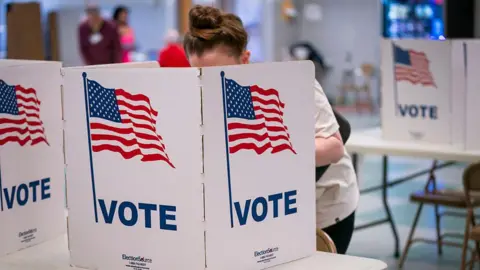
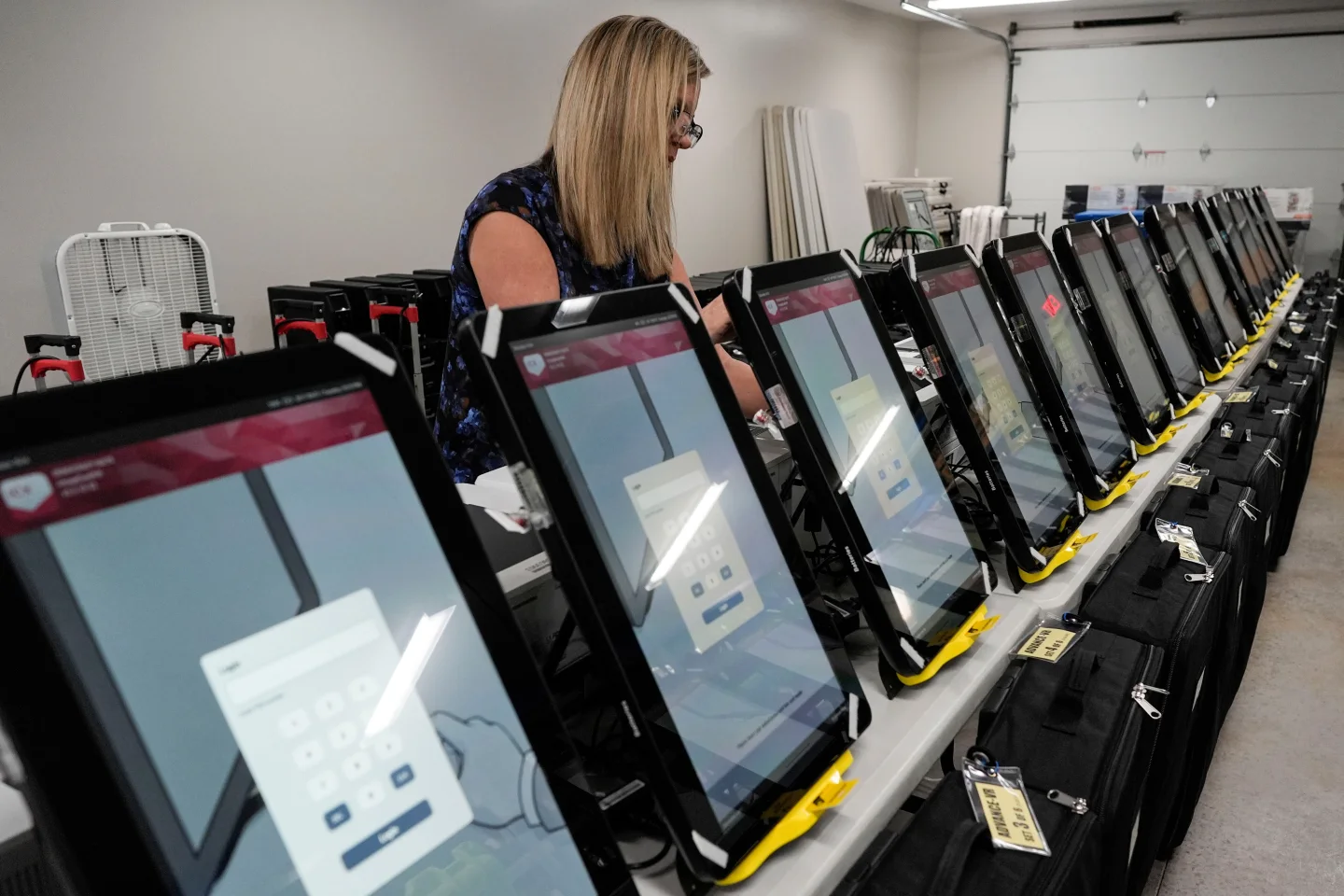
Currently, Georgia voters cast their ballots using Dominion Voting machines, which print ballots featuring QR codes for tabulation. However, a 2024 law, influenced by Trump supporters, prohibits the use of barcodes for counting votes while state law mandates the continued usage of these machines. This conflict remains unresolved, with no funds allocated for necessary updates.
House Governmental Affairs Committee Chairman Victor Anderson highlighted the potential for a statutory conflict unless the legislature takes action. He backed a proposal that would keep current voting technologies in place while working towards a resolution by 2028. Election officials expressed a preference for this approach.
As tensions rise over the handling of election legislation, critics argue that some lawmakers prioritize political interests over practical solutions. Republican Lt. Gov. Burt Jones, reportedly focused on maintaining Trump’s endorsement, faces scrutiny for prioritizing political loyalty over the electoral needs of Georgia voters.
Joseph Kirk, the Bartow County election supervisor, noted the looming confusion and expressed concern about future guidance from judiciary or state officials while election preparations continue. Meanwhile, election officials stress the necessity of cooperation from legislators in order to implement feasible laws that won’t overwhelm the system prior to elections.
Calls for switching to hand-marked paper ballots are echoed by various groups, citing voter trust issues. However, many election officials view such a change as impractical without adequate preparation time. A looming possibility remains that, in the absence of legislative action, Georgia could be forced to revert to hand-marked ballots by November.
As the state faces unprecedented circumstances, the legislature’s responsibility to act on this matter is underscored. Rhetoric surrounding election integrity continues to complicate solutions as stakeholders await a clear path forward.