Two months after Helena officials approved a resolution that restricted local police from working with federal immigration enforcement, the city commission voted on Thursday to rescind the measure. The decision followed significant legal threats from Montana Attorney General Austin Knudsen.
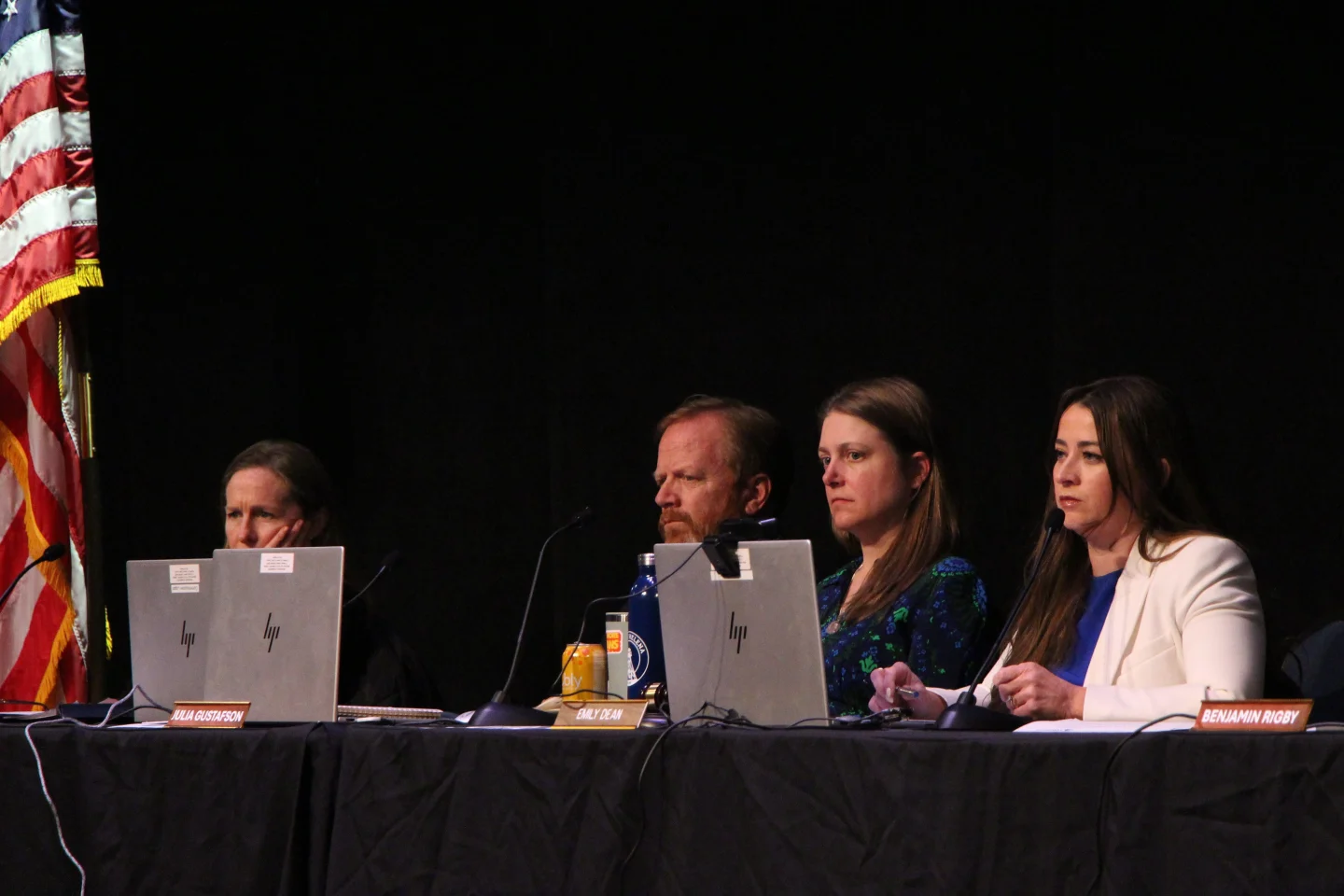
After more than five hours of public testimony—where nearly a hundred attendees expressed passionate opinions regarding local government authority, financial risk, and democratic values—the city commissioners voted 4-1 to scrap the January resolution.
Once the vote concluded, Mayor Emily Dean called for a recess as attendees shouted “shame” and other comments directed at the commission members. After the recess, the commission instructed city attorneys to draft a new resolution and to engage with the Attorney General's office to revise the language. This motion was also passed with a 4-1 vote, dissenting from Commissioner Melinda Reed.
The day after the vote, Attorney General Knudsen and Governor Greg Gianforte praised the commission's decision, framing it as necessary for community safety. Knudsen criticized the original resolution as inappropriate and warned that his office would hold non-compliant jurisdictions accountable.
Many public commenters rejected the characterization of Helena as a “sanctuary city” and urged the commission to maintain the original resolution. Proponents of the resolution expressed feelings of intimidation and manipulation by state officials, describing the situation as authoritarian. Helena resident Barbara Chillcott criticized the rescind decision, highlighting the community's values and the authority of local government.
Despite public outcry, some citizens supported the rescind action, advising the commission to minimize political tensions and cost implications arising from legal conflicts. Attorney Natasha P. Jones, advising the city commission, raised concerns about the financial liabilities connected to non-compliance with state laws that mandate cooperation with federal immigration authorities.
Jones emphasized that the penalties related to the state law could inflict significant financial damage on the city, risking funding for essential services and projects. The commission members weighed these implications, with some voicing regret over the necessity to rescind the resolution yet recognizing the broader financial risks involved.
In the wake of this decision, the commission plans to consult with the Attorney General within the next 30 days to create a legally and ethically sound approach to immigration policy while still resonating with community values. The public sentiment remains divided as many await the outcome of these discussions.