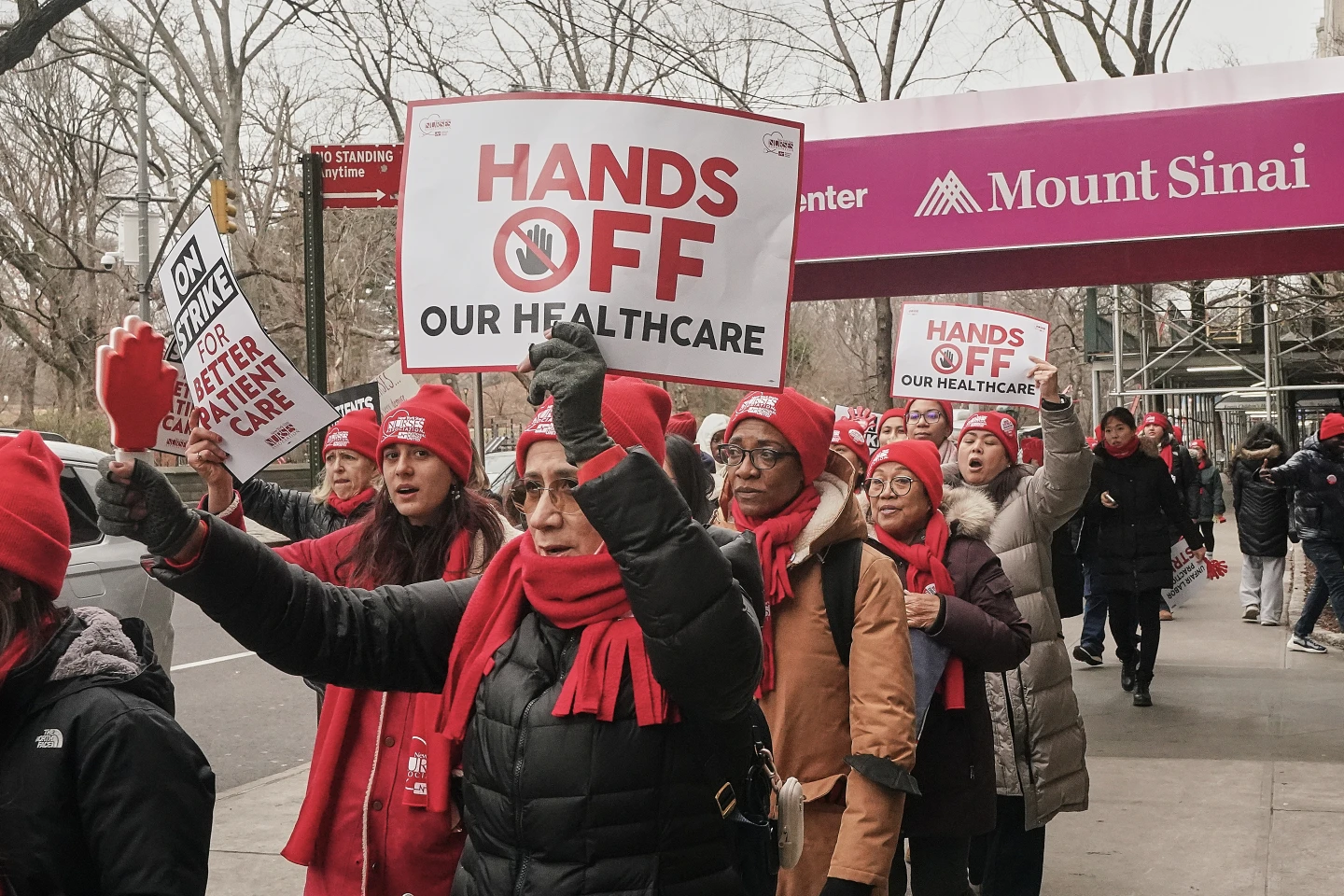
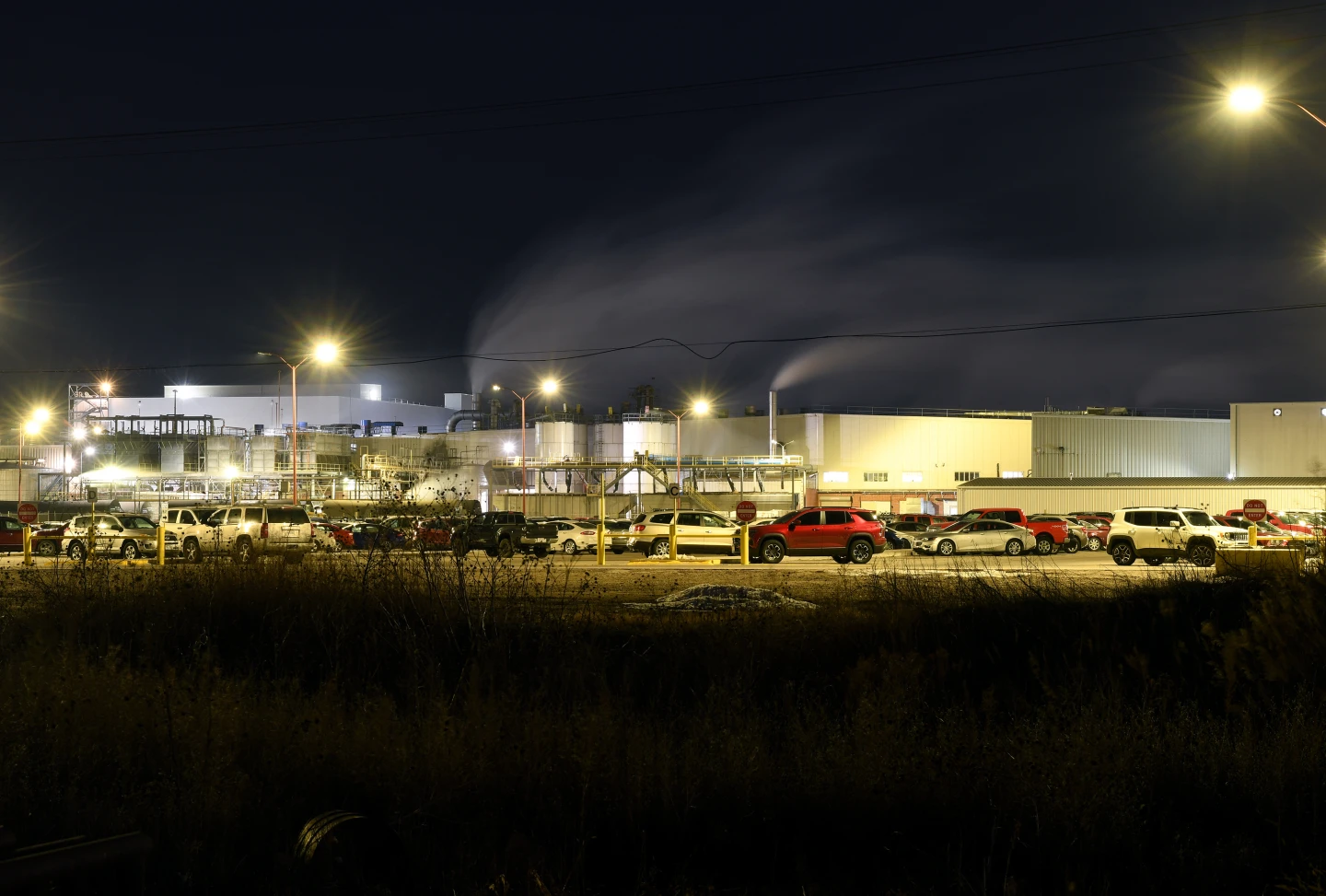
GREELEY, Colo. (AP) — About 3,800 workers at one of the nation’s largest meatpacking plants went on strike Monday in Colorado in what union representatives characterized as the first walkout at a U.S. beef slaughterhouse in four decades.
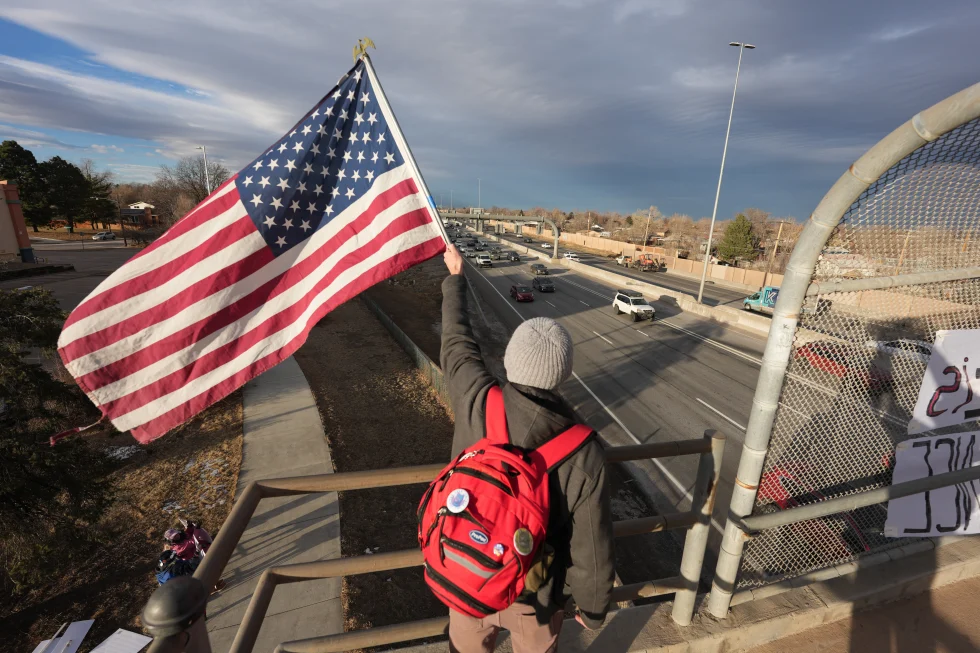
Hundreds of strikers picketed in front of the Swift Beef Co. plant in Greeley, owned by JBS USA, as the sun rose. They waved signs reading “please don’t patronize JBS,” while chanting “huelga!” (Spanish for “strike”).
The strike emerged from complaints by union representatives that the company engaged in retaliatory behaviors and unfair labor practices amidst ongoing contract negotiations. The prior contract lapsed at midnight on Sunday.
Leticia Avalos, a 34-year-old union steward, emphasized the workers' critical role in the company's profits. “They don’t really value their workers and we’re the ones that help them get all their profit,” she stated, highlighting the sacrifices workers are willing to make to be heard.
A spokesperson for JBS USA maintained that the company stands by its contract proposals, describing them as fair, and noted that alternative positions were available for employees who chose not to strike.
The labor action follows a troubling trend for the U.S. meat industry, where a low cattle population, coupled with price surges in beef, has created further tension. Rising beef prices have contributed to economic pressures many families are facing, causing anxiety across the nation.
Union officials assert that workers undertake some of the most physically demanding and hazardous roles in the country, and they are advocating for wage increases that keep pace with inflation while ensuring healthcare benefits that reflect the toll of their work.
The strike and its historical significance resonate deeply within the community, where many rely on the plant for employment. The president of the United Food and Commercial Workers Local 7, Kim Cordova, indicated that 99% of workers supported the strike, signifying a united front for improved work conditions.
The Greeley strike marks a notable moment in labor history as it represents a continuity of worker advocacy for rights and safety in an industry that remains crucial to America's food supply chain.