In brief
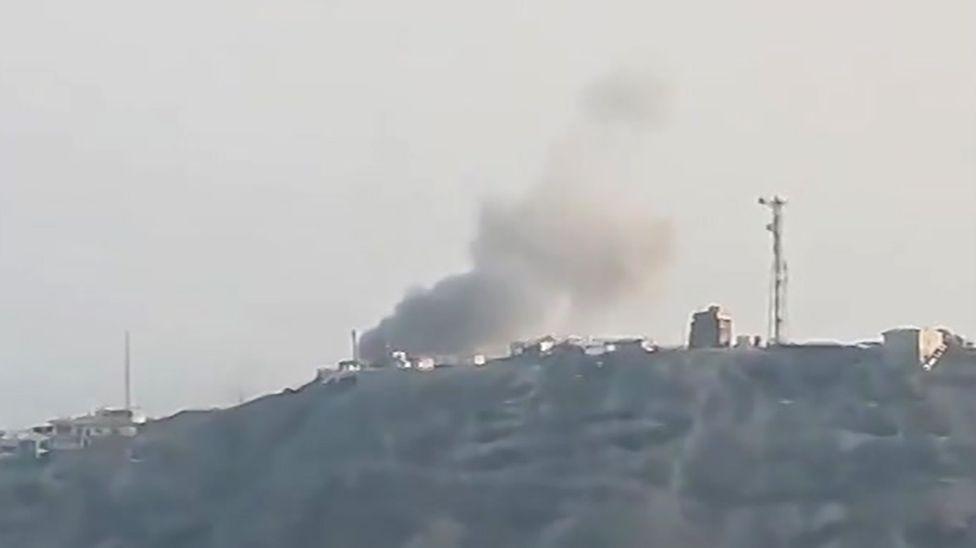
A Houthi missile strike struck the presidential palace in Aden, sending smoke out of the building and killing two security personnel. Information Minister Moammar al‑Eryani confirmed that prime minister Shaya Zindani and other ministers escaped unharmed, though many staff were injured. The Houthis claim the strike targeted the coalition’s operations base, while Saudi‑led forces continue to support Yemen’s government in its fight against the Iran‑backed rebels.
Two security personnel were killed and several others injured when Houthi forces launched a missile at the presidential palace in Aden on the evening of 15 October 2026.
Information Minister Moammar al‑Eryani told the BBC that the prime minister Shaya Zindani and other ministers were not hit, but the palace crew suffered injuries. Houthi spokesman Yahya Sarea said the rockets hit the coalition’s operations headquarters in Aden, calling it a retaliation.
The Saudi‑led coalition backers are mounting an offensive across Yemen, providing air support to government forces that have pushed back some Houthi gains along the Red Sea coast. Zindani condemned the attack as "cowardly" and pledged that the government would not relent in its campaign against the rebels.
The attack follows a pattern of Houthi missile and drone strikes on Saudi targets, including a 13‑person killing on Riyadh international airport last Saturday, the most serious since the war began in 2014. Saudi officials blame Iran for arming the rebels, though Tehran denies direct weapon supply, only offering political backing.
Since the civil war erupted, pro‑government forces have lost and regained territory, with at least 1,282 people killed and 5,890 wounded in battles after 6 August 2026. The United Nations reports 201,000 displaced persons and rising cholera cases.
The recent missile strike underscores the ongoing volatility in Yemen and the larger regional conflict that has drawn in neighbouring states and international actors.