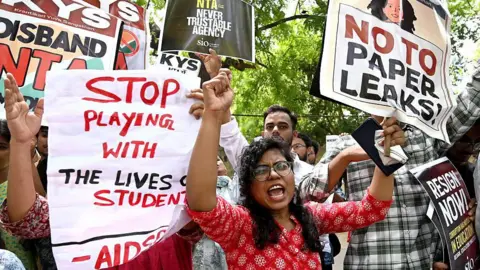
India's youth story is marked by contradictions of abundance and scarcity. The latest State of Working India report highlights that India is rich in youth but poor in jobs, with around 367 million young people making up a third of the working-age population. The report indicates a significant transformation in the educational landscape over the past four decades, yet the transition from education to employment remains challenging.
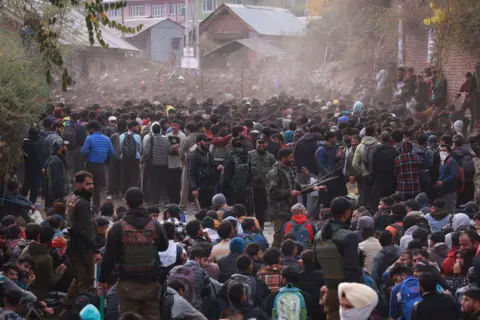
Although enrolment in higher education has increased, with the share of students from poorer households rising, the actual job market does not keep pace. Nearly 40% of young graduates are unemployed, and many face overwhelming competition for scant job opportunities in an economy that primarily favors skilled service industries.
Economists emphasize that India’s growth has been fueled by a services-led model, leaving low-skilled workers without substantial opportunities, which exacerbates the unemployment crisis. The imbalance underscores a crucial dilemma: despite educational advancements, substantial job creation has not occurred. As India approaches a demographic shift, the urgency intensifies to create the right kinds of jobs at scale to harness its vast youth potential.
Although enrolment in higher education has increased, with the share of students from poorer households rising, the actual job market does not keep pace. Nearly 40% of young graduates are unemployed, and many face overwhelming competition for scant job opportunities in an economy that primarily favors skilled service industries.
Economists emphasize that India’s growth has been fueled by a services-led model, leaving low-skilled workers without substantial opportunities, which exacerbates the unemployment crisis. The imbalance underscores a crucial dilemma: despite educational advancements, substantial job creation has not occurred. As India approaches a demographic shift, the urgency intensifies to create the right kinds of jobs at scale to harness its vast youth potential.