India’s school lunch programme stirs debate over eggs and vegetarian meals
The eastern Indian state of West Bengal, under a newly elected BJP government, announced a pilot that would hand over the preparation of mid‑day meals for schools run by the Kolkata Municipal Corporation to the Annamitra Foundation, a charity operated by the Hare Krishna movement. The plan would replace the long‑time staple of fried or boiled eggs with vegetarian alternatives such as soy or kidney beans.
The mid‑day meal programme, one of the world’s biggest school‑cooking projects, provides free cooked lunches to more than 110 million children across India. For many of them, the meal is the most nutritious food served during the day and a major incentive for school attendance.
Nutritionists argue that eggs are a cheap, high‑quality protein containing all nine essential amino acids and rich in vitamins D and B12. “They are a simple and affordable way to meet protein needs,” said Fareha Shanam of Delhi’s Sir Ganga Ram Hospital. The vegetarian options being proposed, while nutritionally robust, costlier in comparison, according to experts such as Dr Vamshi V of Gleneagles Aware Hospital.
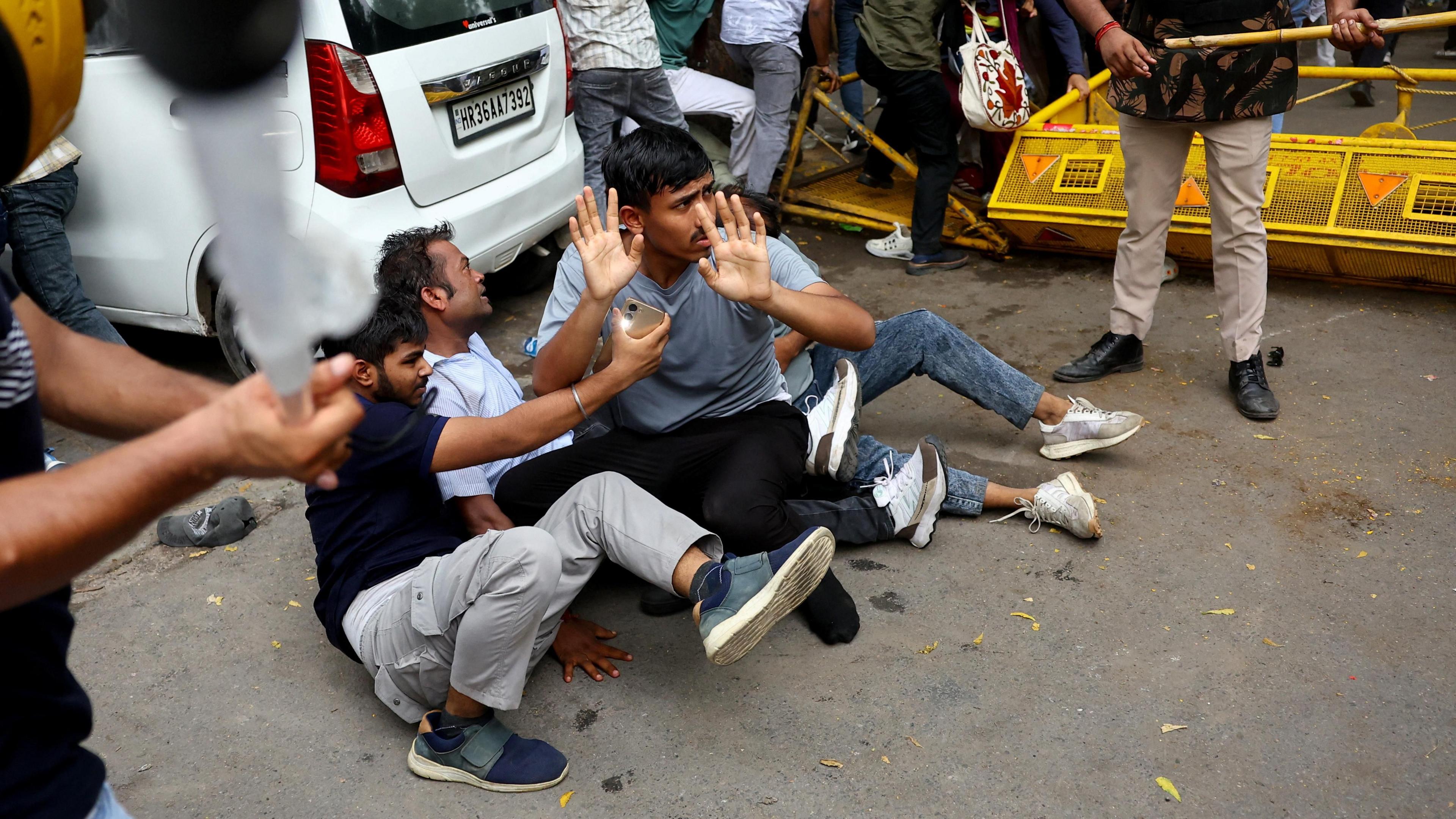
Opposition parties, most notably the Trinamool Congress that ruled West Bengal before the recent elections, accuse the new government of pushing a Hindu‑nationalist agenda to “impose vegetarianism” on children. The chief minister’s defence, however, claims the changes aim to provide “good and pure food” without coercion.
Students and teachers report mixed feelings. Some welcome a break from familiar meals, while others feel disappointed at the loss of the protein gift that eggs provide. Teachers across the country point out that the school lunch remains a critical meal for children who come to school hungry.
The pilot is still in the planning phase, and it is unclear whether the state will extend the vegetarian model to other schools. Even the Annamitra Foundation has said that negotiations are ongoing and no final decision has yet been made.