Inside France's Covert Spy School: Sciences Po Saint-Germain
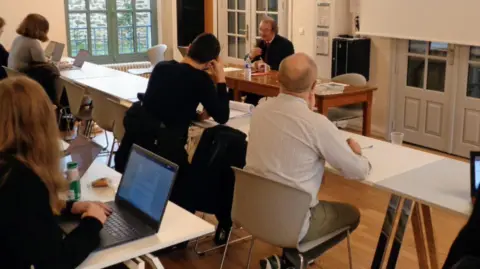
At the outskirts of Paris, Sciences Po Saint-Germain serves as a modern-day spy school, training a new generation of intelligence agents. Led by professor Xavier Crettiez, this unique program integrates traditional students with serving spies, blending academia with espionage.
The Diploma of Intelligence and Global Threats offers 120 hours of coursework that covers critical topics like organized crime, terrorism, and cyber threats. Established in response to France's expanded security needs after the 2015 terrorist attacks, the program was created to fill a growing gap in the intelligence community.
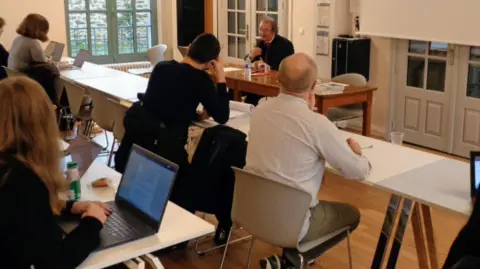
Both young undergraduates and intelligence officials, often in their late 30s to 50s, participate in classes, creating a diverse environment for sharing ideas and experiences. This premium educational experience comes at a cost: around €5,000 for external students, such as spies on professional development days.
As the French intelligence community has grown to about 20,000 agents, much of the training focuses on confronting organized crime, financial fraud, and tackling evolving threats like Islamic jihadism. The curriculum includes on-the-ground perspectives from seasoned professionals, ensuring that students receive real-world insights relevant to the current security landscape.
Interestingly, the program has been met with rising interest from the private sector, particularly in fields like defense and luxury retail, as companies seek graduates who can navigate security risks and corporate espionage challenges.
Gender diversity has also seen improvement within the program, with nearly half the students being women, a trend educators attribute to changing attitudes and aspirations among young women in France.
Yet, the program is not without its challenges. Prospective applicants must undergo rigorous vetting, ensuring that the right candidates, particularly in such sensitive fields, are selected. Most students will not see the mix of action like the fictional spies they often idolize in film and television. Instead, many are likely to find themselves in desk-bound roles within security services.
As these diverse cohorts embark on their journey into the world of intelligence, they signify not just a new era for the French spy community but represent an evolving global perspective on security education.