In brief
The IAEA Board of Governors has taken the first step in two decades by referring Iran to the UN Security Council for non‑compliance with the Non‑Proliferation Treaty. Tehran blames US and Israeli strikes for blocking inspections and asserts its nuclear program is peaceful. The resolution, backed by 23 countries, was opposed by China, Russia, and Niger, making new sanctions unlikely. Critics warn that the move could ignite a geopolitical flashpoint as tensions rise over missile launches and regional strikes.
The International Atomic Energy Agency (IAEA) has taken the unusual step of referring Iran to the UN Security Council for 'non‑compliance' with the Non‑Proliferation Treaty, marking the first move in two decades.
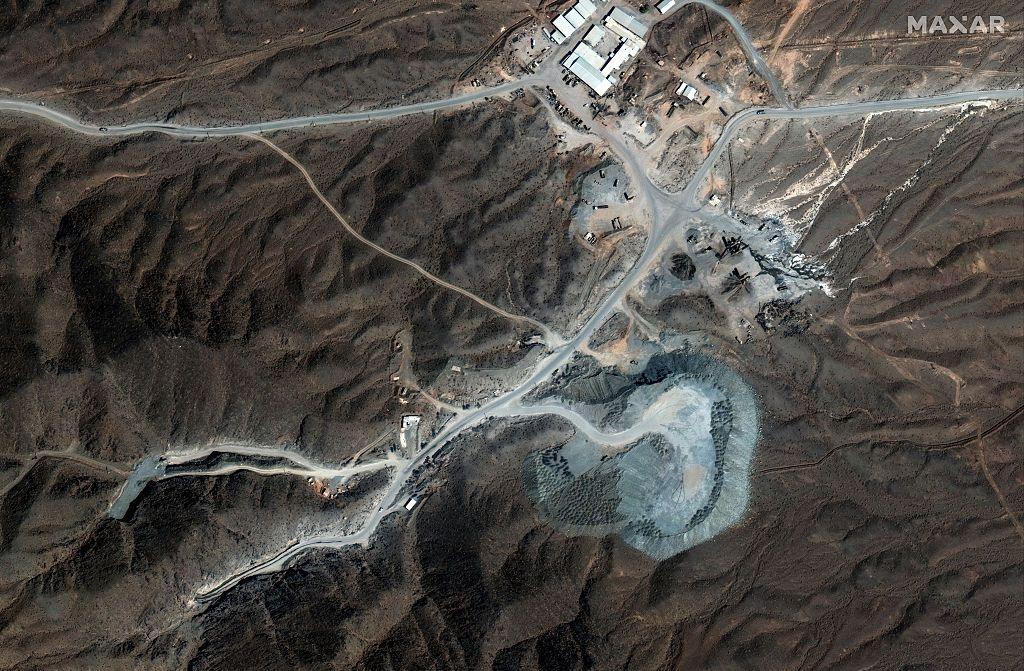
In a Vienna meeting, the IAEA’s Board of Governors passed a resolution backed by 23 countries, citing missing data on Iran’s enriched uranium stockpiles and repeated denial of inspector access. Tehran, however, blamed US and Israeli air strikes on its facilities during the current conflict for hampering inspections.
- Key point: No‑inspection‑access claimed to stem from recent US‑Israel strikes.
- IAEA resolution was tabled by the UK, France, Germany and the US.
- China, Russia, and Niger voted against the resolution.
- New sanctions unlikely as China and Russia hold veto power.
Iran has repeatedly insisted its nuclear program is for peaceful purposes, but Western leaders remain wary that the country could accelerate weapons‑grade uranium production, citing a stockpile of 60% enriched material that could reach the 90% threshold quickly.
The IAEA report will ask chief Rafael Grossi to file a formal recommendation to the Security Council. Tehran’s deputy foreign minister Kazem Gharibabadi has already called the decision a 'pretext for punitive action'.
Experts note that any move by the UN could turn a technical dispute into a geopolitical flashpoint, especially as tensions spike over Tehran’s missile launches and regional strikes.