Iran and US Engaged in Critical Negotiations Amid Heightened Military Tensions
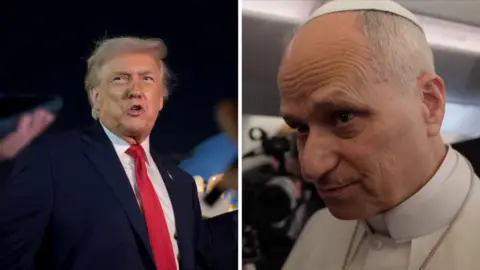
President Trump confirmed that Iran is partaking in serious discussions with the United States, coinciding with a marked build-up of American military forces in the Gulf. These negotiations come as Trump expresses hope that they will yield an acceptable outcome amid escalating tensions between the two nations.
Iran's top security official, Ali Larijani, has acknowledged that frameworks for negotiations are developing. The potential for military intervention by the United States looms large, primarily due to Iran's nuclear ambitions and its harsh crackdown on anti-government protests.
Trump has signaled that any military action could be contingent upon two primary issues: Iran ceasing its nuclear activities and halting the violence against protesters. In response, Iran's Foreign Minister, Abbas Araghchi, criticized US military presence in the region, suggesting it attempted to dictate how Iran trains its forces in their own territory.
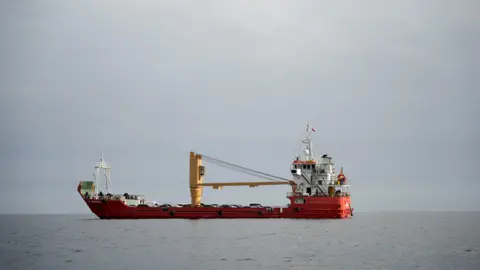
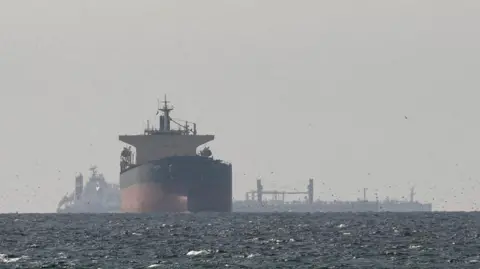
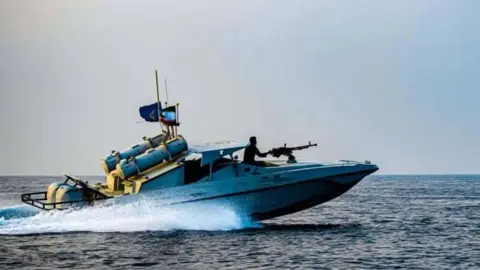
Amid these discussions, Iran is set to conduct naval exercises in the Strait of Hormuz, a vital waterway for global oil transport, where past threats have indicated Iran's willingness to restrict passage should it feel threatened. With the US having sent its aircraft carrier, USS Abraham Lincoln, to the area, both nations are on high alert, warning against any aggressive maneuvers.
Recent events within Iran have compounded tensions, with explosions attributed to gas leaks causing civilian casualties, and a substantial number of deaths reported during protests—over 6,300 since late December according to human rights organizations.
As both nations prepare for critical stages in their negotiations, the international community is watching closely, hopeful for de-escalation but concerned about potential military conflict and its ensuing humanitarian ramifications in Iran.