In brief
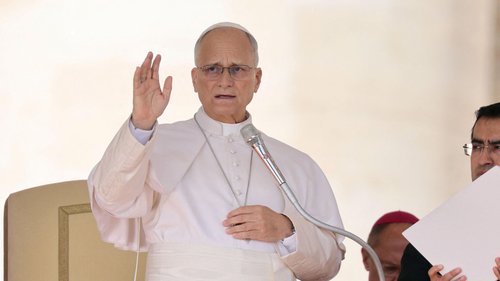
Emerging questions regarding women in leadership roles are at the forefront as Pope Leo XIV embraces a cautious but progressive approach to church traditions.
Bishop Robert Francis Prevost now known as Pope Leo XIV, a former cardinal, has positioned himself in a delicate balance between maintaining church traditions and allowing for cultural shifts within the Catholic Church. Following his predecessor, Pope Francis, who sought to empower women's roles, Pope Leo XIV is now under scrutiny regarding his views on women’s involvement, especially their potential ordination as deacons. Back in 2023, during a global bishops’ assembly convened by Pope Francis, Cardinal Prevost voiced opposition to the idea. He expressed concerns that “clericalizing women” might not resolve longstanding issues and could complicate ecclesiastical dynamics further. “Changing the tradition of the Church after two millennia is not a simple matter,” he noted, as reported by The Catholic News Agency. As stories of his tenure unfold, it becomes apparent that while Prevost has hesitated at endorsing female deacons, he has implemented some changes that align with the progressive movements initiated by Francis. In his capacity at the Vatican, he led the office responsible for overseeing bishops and supported increased leadership opportunities for women—the positive changes were perceived as substantial within the office. Witnesses from his time as a bishop in Chiclayo, Peru, affirm his gradual support for lay women’s leadership in social initiatives. His approach marked a shift from the long-established conservative influences of the Opus Dei organization, which had dominated the diocese for decades. Local figures attest to Prevost's efforts to slowly integrate women into significant roles in church-led social efforts, contributing to local communities, especially in assisting vulnerable groups like migrants and trafficking victims. Yolanda Díaz, a dedicated teacher from the Chiclayo diocese, echoed the sentiment: “Little by little, the church has allowed us some involvement. There is a group of women leading social pastoral work here.” As Pope Leo XIV begins his papacy, the Church anticipates a thoughtful dialogue on the role of women in its future, positioned between tradition and progress.