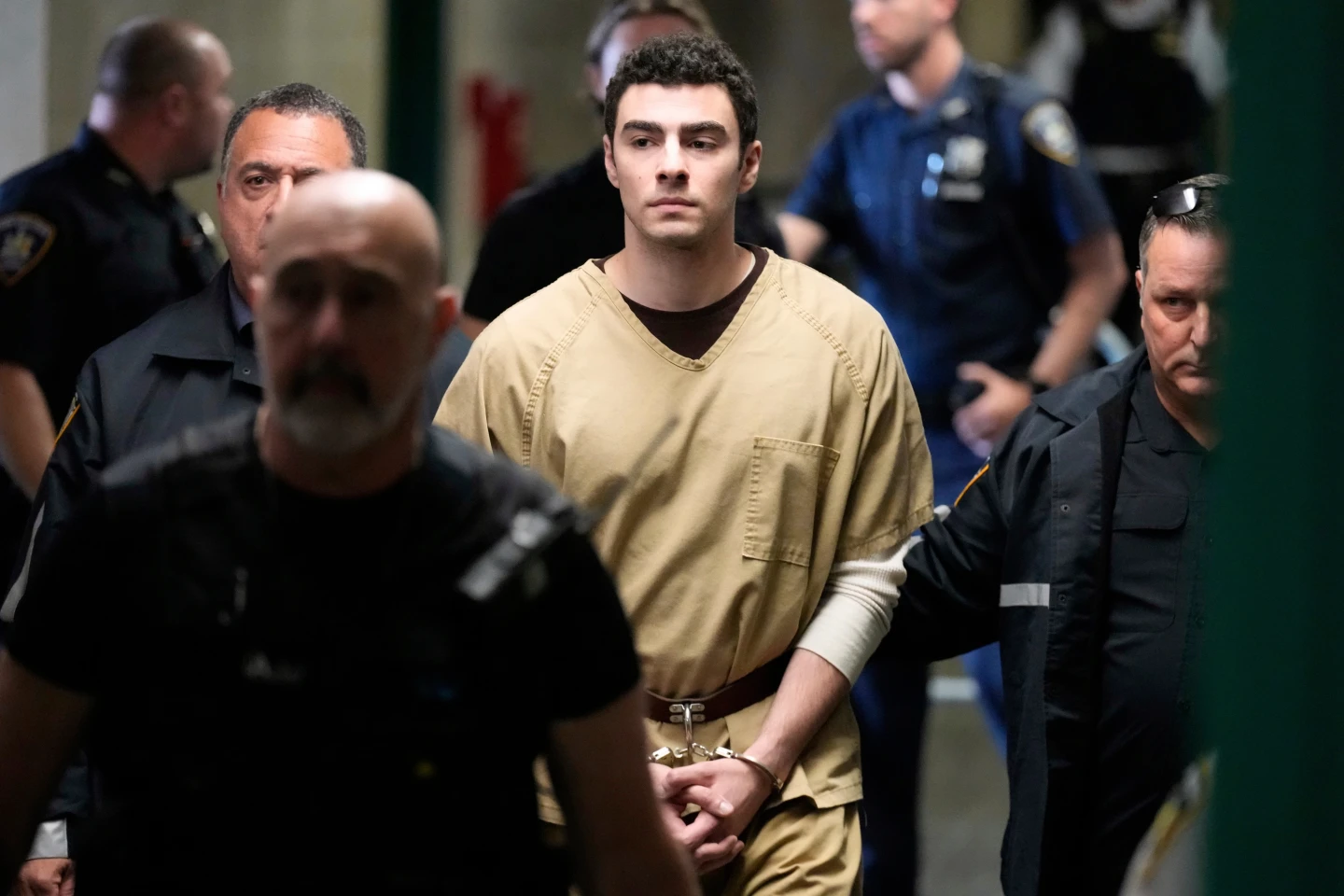
NEW YORK (AP) — A judge on Wednesday granted Luigi Mangione a slight delay of his federal trial in the killing of UnitedHealthcare CEO Brian Thompson, moving it from September to October 2026 instead of next year, as his lawyers had requested.
U.S. District Judge Margaret Garnett tied her decision to the state murder trial of Mangione, set to begin June 8 and expected to take four to six weeks. The judge rejected a defense proposal to push the federal case to 2027, stating that it would not resolve scheduling issues effectively.
The new schedule sets jury selection for the federal trial to begin on October 5, followed by opening statements and testimony on October 26. The judge noted that the timeline could shift depending on any delays in the state trial.
Facing serious charges, Mangione, 27, maintains his not guilty plea, with the possibility of life in prison looming if convicted in either trial. His attorneys argue that holding two consecutive trials in such a short period could violate his constitutional rights.
During a court hearing, Garnett expressed skepticism about delaying the federal trial into 2027 as the state trial is still active, stating, 'It is a little bit of a tail wagging the dog.' She aimed to streamline the jury selection to avoid overlap and ensure adequate preparation for Mangione's defense.
The consideration of double jeopardy protections adds another layer of complexity, as they may activate if a jury is sworn in during the federal trial or if the prosecution concludes with a guilty plea. Mangione’s defense concerns are rooted in the notion that the two trials could represent the same case in essence.
Thompson, age 50, was killed in December 2024 while walking to a midtown Manhattan hotel for a UnitedHealth Group event. His murder has drawn significant media attention and public interest.
Mangione was arrested shortly after the incident while dining at a McDonald’s in Altoona, Pennsylvania, having been spotted by authorities following a media spectacle surrounding his arrest. Previous charges, including a federal murder charge, were dismissed by Garnett, leading to a current focus on stalking charges that carry severe penalties.