In brief
Traditionally, Kenyan boys, especially from the Kikuyu, were named after their fathers. A growing wave of men now choose their mothers’ first names as surnames, a shift that has sparked both admiration and ridicule. The trend, tied to single‑mother families, is visible in politics – with MPs like John Njũgũna Wanjikũ – and music, where artists such as Peter Kĩgia use the format ‘Wa Esther’. Cultural experts argue that female surnames honour women’s roles but critics fear it erodes patriarchal identity. As the conversation intensifies, the debate highlights broader questions about gender, lineage, and African modernity.
For generations, Kenyan children – especially from the Kikuyu – were named with their father’s first name as a surname. In recent years, a wave of men has broken that custom, adopting their mother’s first name as their official surname. The move, largely traced to single‑mother families, has drawn both admiration and ridicule across social media, political circles, and the music scene.
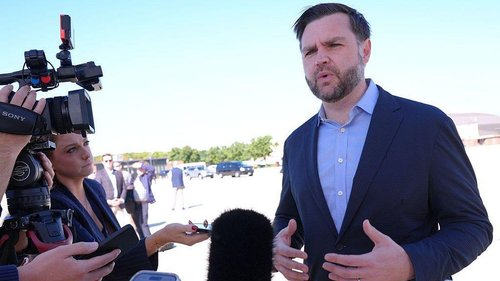
Political leaders now bear female surnames. MP John Njũgũna Wanjikũ, elected in 2021, chose the nickname ‘Ka‑Wanjikũ’ – literally “child of Wanjikũ”. His decision underscores the trend that is spreading beyond the streets into national institutions.
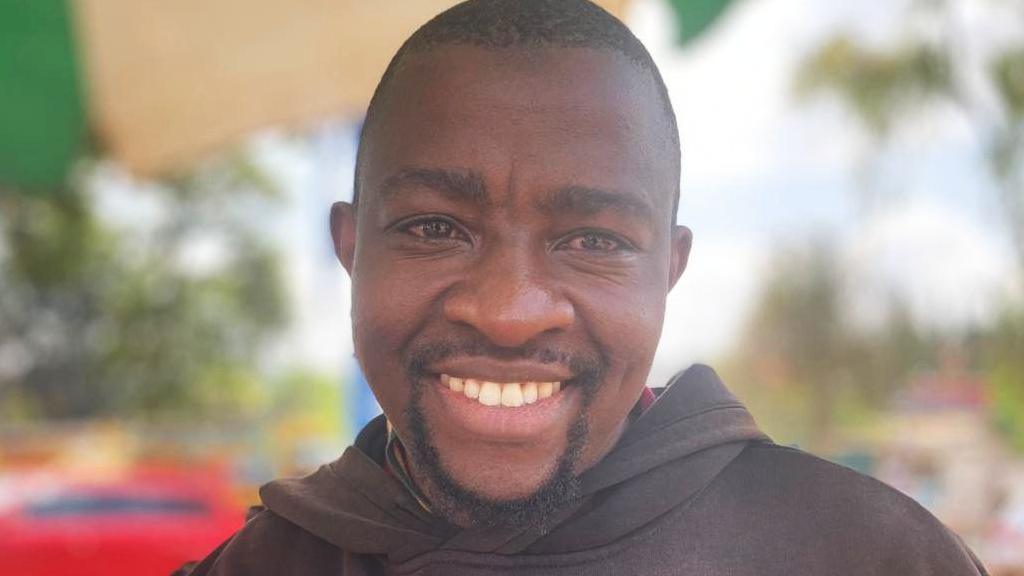
Musicians offer another, very visible example. 60‑year‑old benga legend Peter Kĩgia – formally Wa Esther – announced that taking his mother’s name “signals love and respect for her” and even named his record label Wa Esther Productions. Fans now see his stage name, and those of other young musicians such as Waithaka wa Jane, as a badge of honour rather than a joke.
Once a niche practice, it is now mainstream. Journalists and cultural scholars report that while the naming habit was informal in the past, it is taking on a legal identity. 60‑year‑old journalist Simon Macharia Wangũi described how he lacked a surname until his late‑teen year of school and then deliberately chose his mother’s name to honour her, dismissing his father’s absence as a personal choice.
Yet the trend has not been without backlash. Critics argue that a female surname undermines a man’s masculinity. Social media posts describe it as a “yoke around men’s necks” or an attempt to “womanise the Kikuyu man”. Those else hail the practice as a sign of the “strength of women” in a society where men have been abandoning responsibilities, an insight offered by university lecturer George Gathigi.
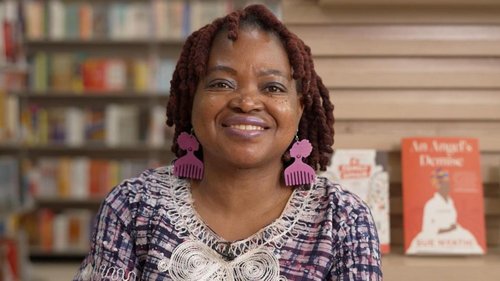
Some voices frame the debate as a battle over family identity. Cultural expert Wairimũ Mũkũrũ explains that when a mother refuses to confirm a father, the eldest maternal uncle sometimes supplies the surname, reminding negotiators that lineage and inheritance can be tied to the name. Yet her colleague, Mũgwe wa Njũhĩ, warns that rejecting maternal names could spark disputes over property, pointing to a mythic foundation of Kikuyu ancestry that includes women founders.
Despite the criticism, figures like Peter Kĩgia say name choice reflects modern situations: women’s expanding roles and changing family structures. Musicians with female surnames report that success can override stigma, proving to “people that you have beaten the odds.”
“This trend is not simply a style but a statement of how society shifts,” says Gathigi. “Women increasingly take front lines, and men increasingly honour them.”