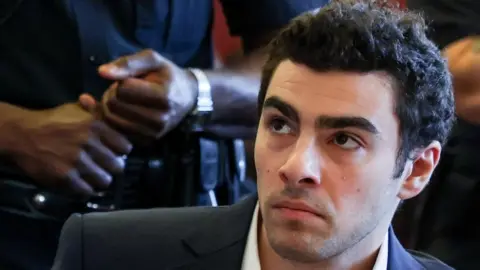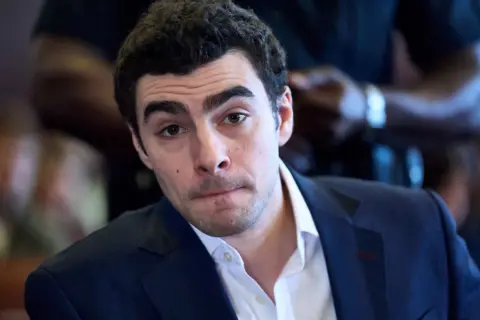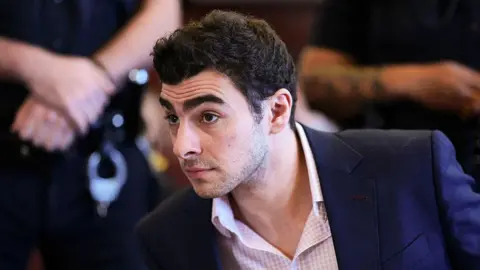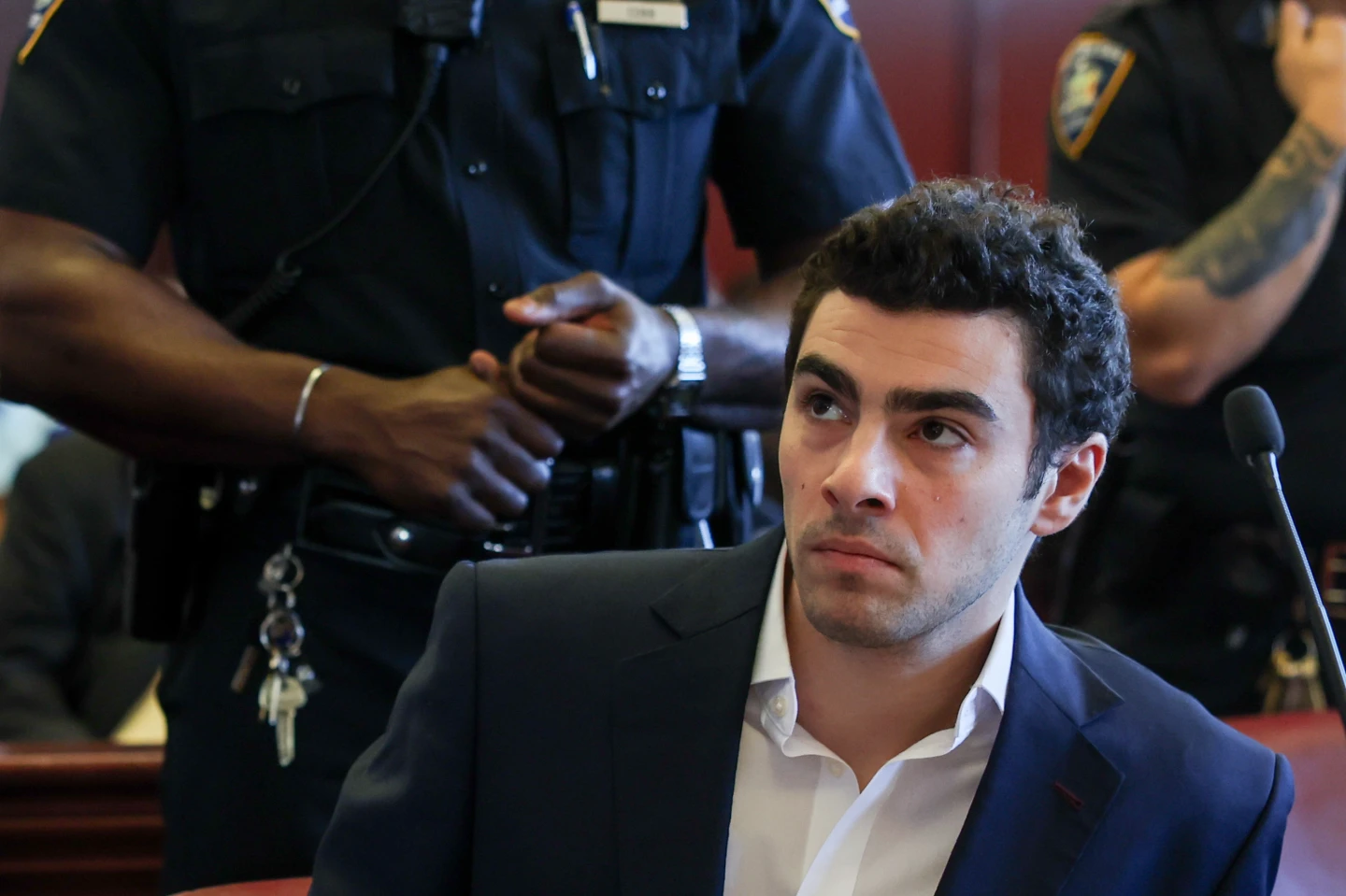
NEW YORK (AP) — Luigi Mangione is set for a crucial hearing in federal court that may influence the government's intention to seek the death penalty in connection with the murder of UnitedHealthcare CEO Brian Thompson.
Mangione's defense team contends that unfavorable pretrial publicity has compromised his chances for a fair trial. They argue that the government improperly sensationalized his December arrest, portraying it as a cinematic event, and made preemptive declarations about seeking capital punishment, which they assert violated his rights.
If the judge agrees with Mangione's arguments, it could lead to the dismissal of critical charges against him, namely murder by firearm, which is integral to the death penalty consideration.
Federal prosecutors, however, reject these claims, asserting that the murder charge holds legal weight and that press coverage, regardless of its amount, does not constitute a constitutional crisis. They maintain that potential jurors can be screened effectively to mitigate any preexisting opinions.
Currently, Mangione has pleaded not guilty to both state and federal murder charges that could result in a life sentence. The upcoming hearing, his first appearance in Manhattan since his arraignment, will also address the defense's request to exclude certain incriminating evidence discovered during his arrest.
Supporters of Mangione have rallied around him at court appearances, reflecting a growing public interest in the legal proceedings surrounding a case viewed by many as a reflection on the larger health insurance industry.
Issues surrounding the collection of evidence, specifically items seized without a warrant, are contentious, with the defense arguing that such actions were unconstitutional. This includes a firearm linked to the murder and a notebook with references to attacking health insurance leaders.
Future implications of this hearing are significant, given Attorney General Pam Bondi's statements declaring the murder a “premeditated, cold-blooded assassination,” suggesting a politically charged foundation for pursuing the death penalty. Mangione's legal representatives argue this politicization undermines the integrity of the judicial process.
As this case unfolds, the path it takes will not only determine Mangione's fate but may also raise broader questions regarding the justice system, particularly in high-profile cases intertwined with significant media coverage.