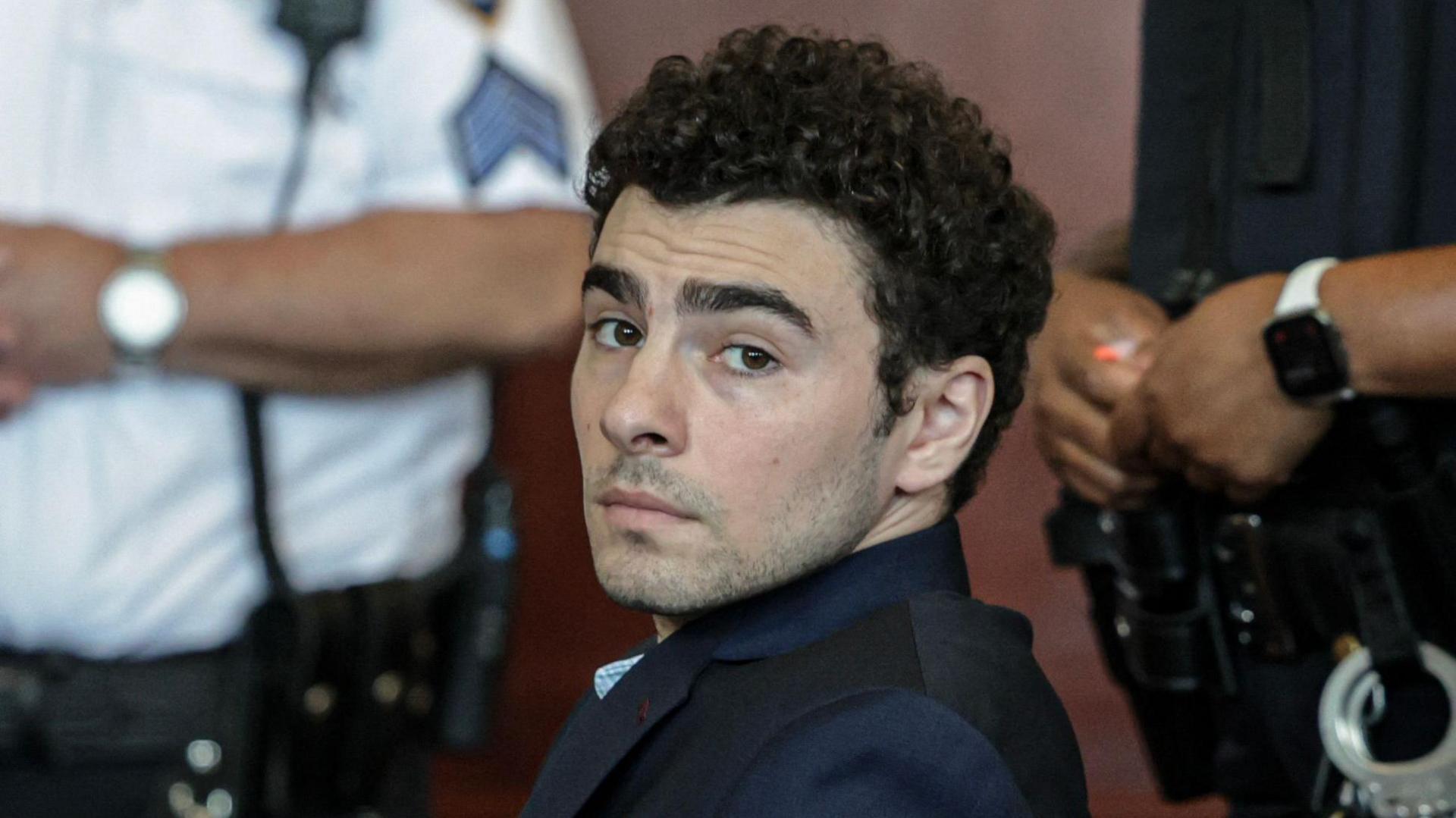
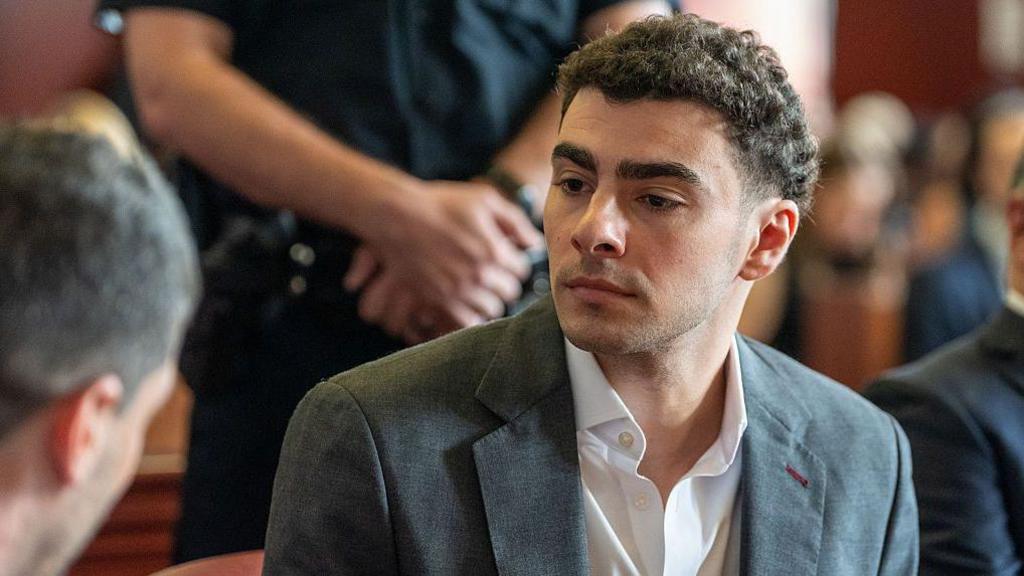
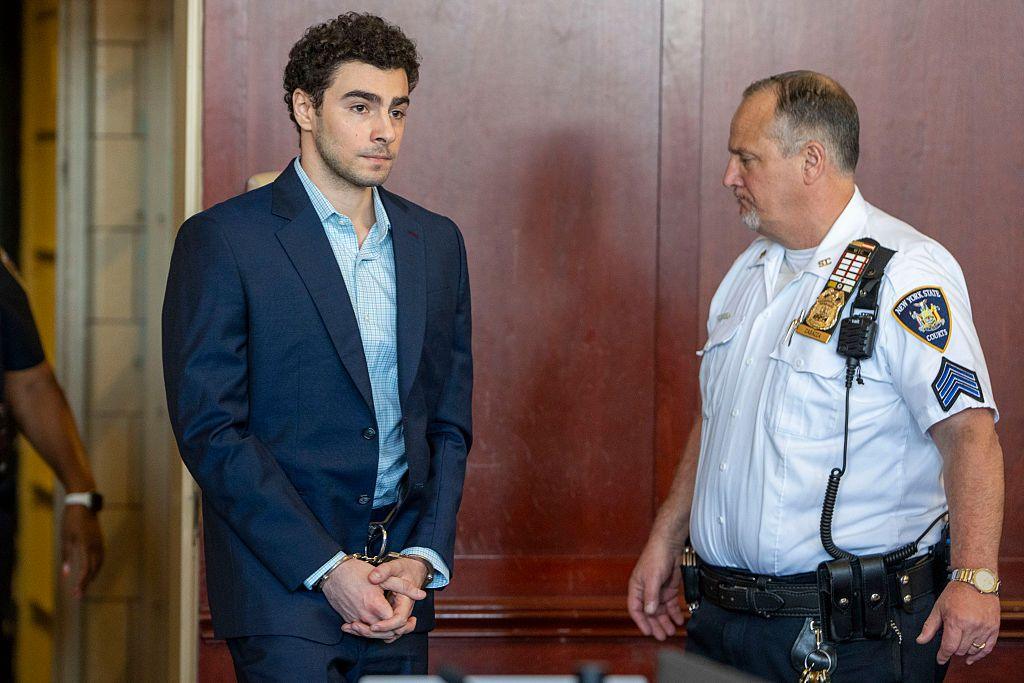
On a bright Friday in New York county court, 28‑year‑old Luigi Mangione stepped forward in a beige uniform and accepted responsibility for the fatal shooting of UnitedHealthcare chief executive Brian Thompson on a Manhattan street in December.
Mangione’s case had dominated headlines for months. After being arrested, he was held in federal custody, his feet shackled during the hearing, while audiences filled the courtroom.
The judge first verified Mangione’s understanding of the consequences of a guilty plea, asking him if he was aware that imprisonment could reach life. He gave a brief, firm yes.
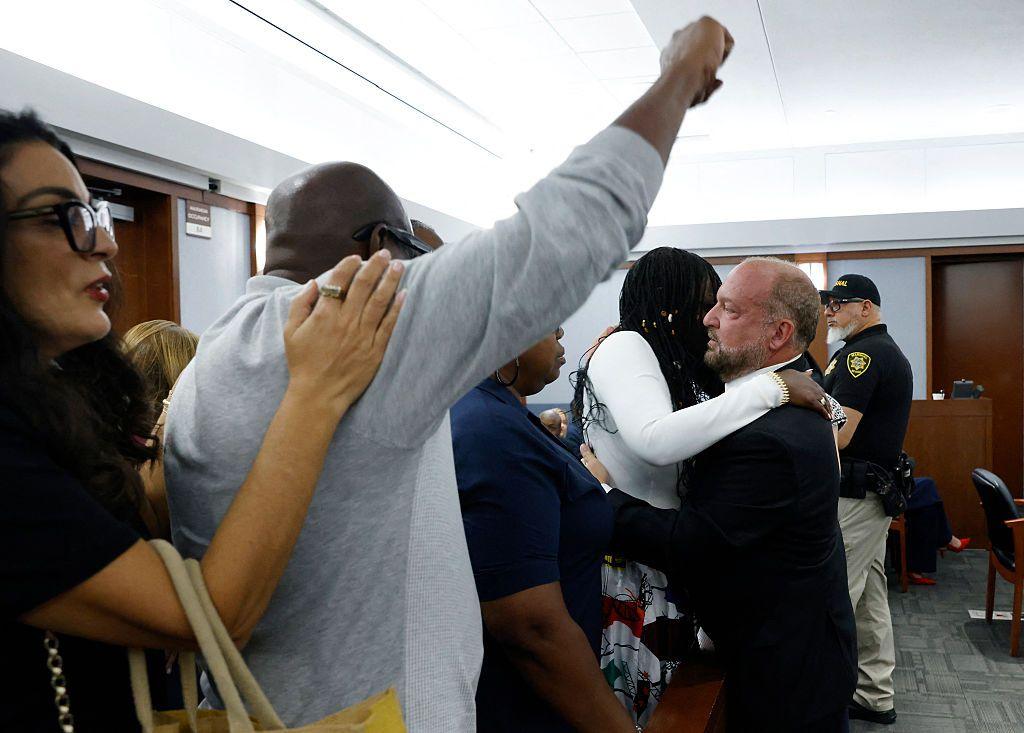
When Mangione finally read his statement, he stammered at first but settled into a direct admission: "I shot Mr Thompson in Manhattan and he died." The emotional pause was felt by Thompson’s relatives, who were seated in the front rows and many of whom were visibly shaken.
The courtroom record shows that Mangione’s lawyer, Karen Friedman Agnifilo, had anticipated the plea and prepared the defendant for the procedural steps. No plea bargain had been formalized, though prosecutors had earlier suggested a range of 24 to 30 years of imprisonment.
Judge Garnett said she would accept the guilty plea; the final sentencing hearing is slated for December 18. The maximum for each of the two stalking charges carries potential life sentences.
In contrast, a state trial connected to the murder’s violent nature remains scheduled for September, potentially adding further charges before final sentencing.
The case touches on broader discussions about gun manufacturing, legal accountability, and the role of defense counsel in such high‑profile incidents. It also highlights how the justice system processes plea decisions amid intense public scrutiny.