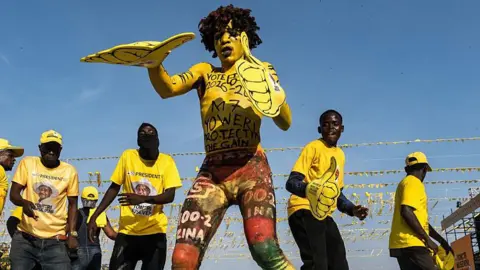
For supporters of Uganda's President Yoweri Museveni, his resounding victory in the just-concluded election is a vindication of his 40-year-long rule.
He won with 72% of the vote, close to his highest-ever tally of 74% in Uganda's first direct presidential election in 1996. This reinforces the 81-year-old's claim that he still commands the support of the overwhelming majority of Ugandans, following his initial seizure of power as a rebel commander in 1986.
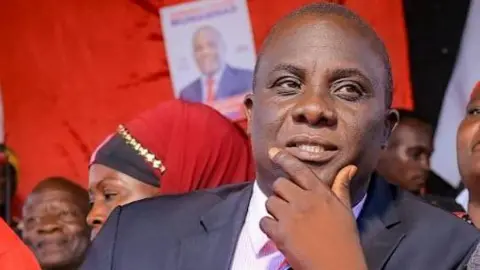
However, Museveni's main election rival, the charismatic former pop star Bobi Wine, dismissed the result as fake and stated he has gone into hiding following a raid on his home by security forces.
Museveni campaigned largely on his track record, arguing that he has delivered political and economic stability in an era characterized by global uncertainty. He pledged to guide Uganda towards middle-income status by 2030, using the nascent oil industry as a cornerstone of this ambition.
Despite his age, the president has sought to project vitality and control, claiming to have visited all of Uganda's more than 140 electoral constituencies.
However, his recent campaign was not without incident; several events were cancelled, sparking speculation regarding his health. Additionally, there were claims of repression during the campaign, with Wine asserting that his rallies faced disruptions from security forces and citing allegations of ballot stuffing.
With many questions lingering about the future of Uganda's political landscape, especially regarding Museveni's succession, analysts suggest that the political change is gradual and already underway.
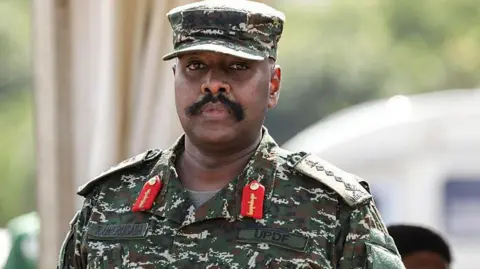
Recent shifts within the National Resistance Movement point towards growing influences of military leaders, specifically Museveni's son, Gen Muhoozi Kainerugaba. He is seen as a potential successor as the party gradually transitions to a new order.
Overall, this election may signify more than just a simple re-election; it reflects deeper political dynamics within Uganda that future leaders will either leverage or challenge.