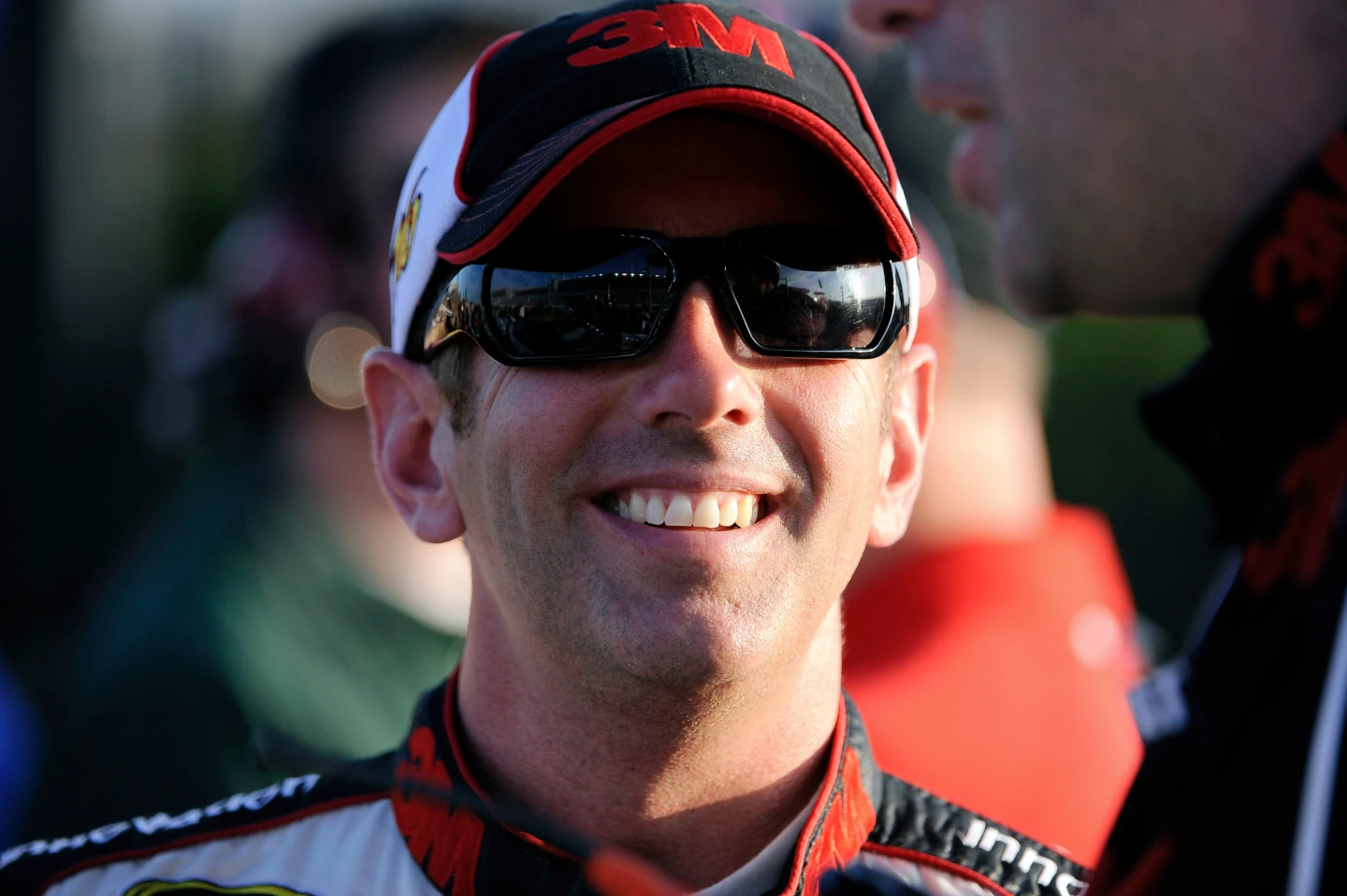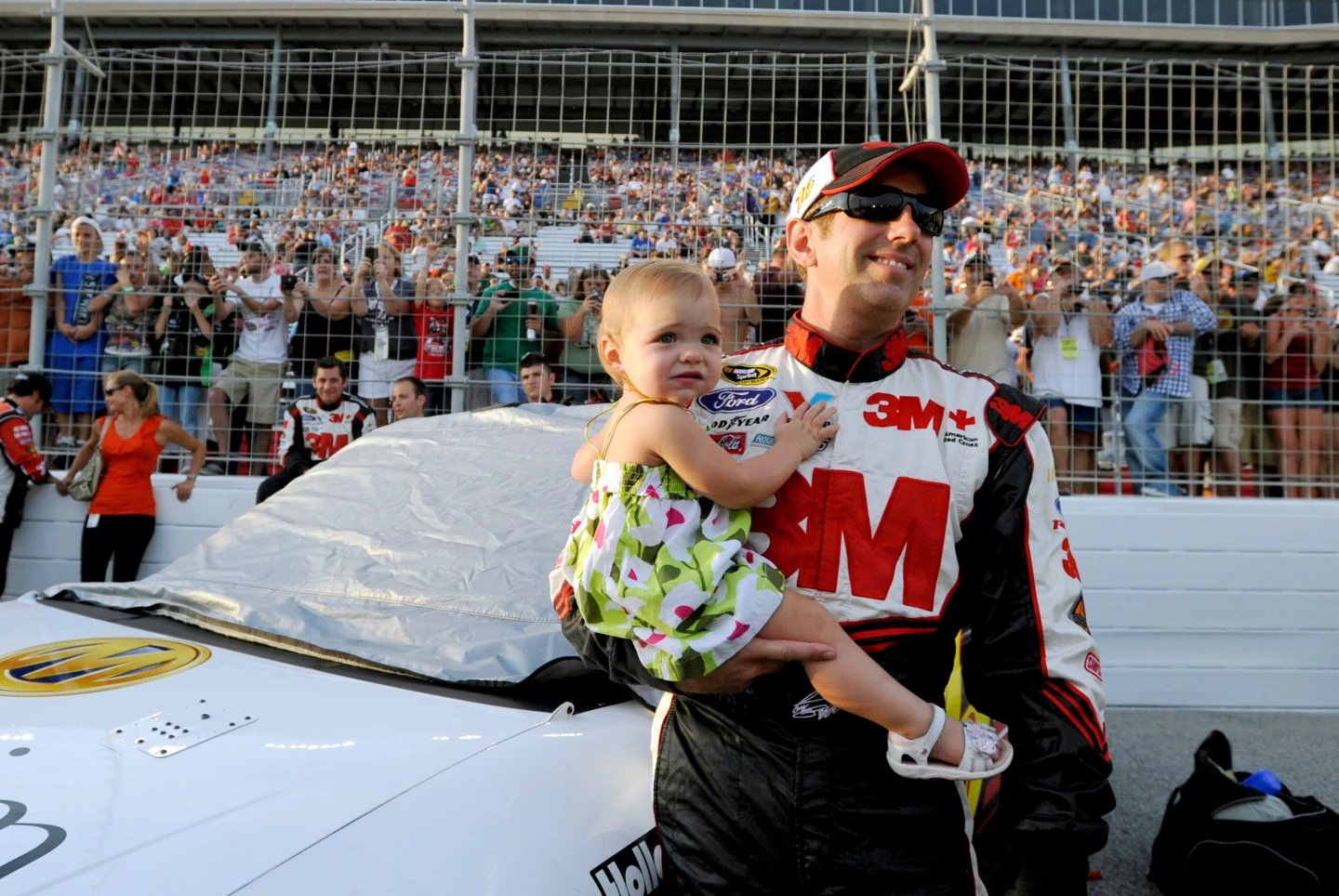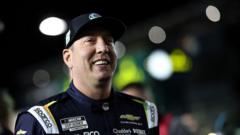
NASCAR icon Kyle Busch has died at age 41 following complications from severe pneumonia that rapidly progressed to sepsis, his family confirmed in a statement to The Athletic. The sudden loss occurred Thursday, cutting short the driver's 22nd season in NASCAR's top division, where he had already secured the iconic No. 18 truck for the upcoming Coca-Cola 600 at Charlotte Motor Speedway. 'Severe pneumonia resulted in rapid and overwhelming associated complications,' the family noted, emphasizing the illness's unforeseen lethality.
Busch, who won two Cup Series championships and 63 races across his career, leaves behind his parents, wife, and two young children. NASCAR CEO Steve O'Donnell described him as 'a rare talent, one who comes along once in a generation' and revealed the driver's personal desire to see races continue: 'He would be upset if they didn’t go ahead. So we’re going to honor his memory.' The statement acknowledged Busch’s charitable foundation supporting IVF awareness, which he co-founded with his wife, alongside his larger-than-life persona as the 'Rowdy' driver known for his signature competitive spirit.
The racing community has been left reeling. Former teammate Denny Hamlin posted on social media: 'Absolutely cannot comprehend this news. We just need to think of his family during this time. We love you KB.' Industry analysts note Busch’s death underscores the unpredictable health risks athletes face. While pneumonia is common, its progression to sepsis—characterized by systemic organ failure—remains medical emergency. 'Professional athletes often endure extreme physical stress, but infections can strike without warning,' explains Dr. Sarah Chen, a sports medicine specialist. 'This case highlights the delicate balance between competitive drive and physiological vulnerability.'
Culturally, Busch embodied the rugged individualism of American motorsports, his 'Rowdy' persona symbolizing the sport’s rebellious spirit. His death has sparked conversations about athlete safety protocols, with some suggesting more rigorous health screenings for high-intensity careers. Socially, his charitable work reflects a growing trend among athletes using platforms for advocacy beyond the track. 'He turned personal struggle into community impact,' says historian Mark Reynolds. 'This loss represents both a sporting tragedy and a human story of resilience.' As NASCAR prepares to honor him with his truck on display at Charlotte, the community reflects on how one driver’s legacy now shapes the sport’s future.}
Busch, who won two Cup Series championships and 63 races across his career, leaves behind his parents, wife, and two young children. NASCAR CEO Steve O'Donnell described him as 'a rare talent, one who comes along once in a generation' and revealed the driver's personal desire to see races continue: 'He would be upset if they didn’t go ahead. So we’re going to honor his memory.' The statement acknowledged Busch’s charitable foundation supporting IVF awareness, which he co-founded with his wife, alongside his larger-than-life persona as the 'Rowdy' driver known for his signature competitive spirit.
The racing community has been left reeling. Former teammate Denny Hamlin posted on social media: 'Absolutely cannot comprehend this news. We just need to think of his family during this time. We love you KB.' Industry analysts note Busch’s death underscores the unpredictable health risks athletes face. While pneumonia is common, its progression to sepsis—characterized by systemic organ failure—remains medical emergency. 'Professional athletes often endure extreme physical stress, but infections can strike without warning,' explains Dr. Sarah Chen, a sports medicine specialist. 'This case highlights the delicate balance between competitive drive and physiological vulnerability.'
Culturally, Busch embodied the rugged individualism of American motorsports, his 'Rowdy' persona symbolizing the sport’s rebellious spirit. His death has sparked conversations about athlete safety protocols, with some suggesting more rigorous health screenings for high-intensity careers. Socially, his charitable work reflects a growing trend among athletes using platforms for advocacy beyond the track. 'He turned personal struggle into community impact,' says historian Mark Reynolds. 'This loss represents both a sporting tragedy and a human story of resilience.' As NASCAR prepares to honor him with his truck on display at Charlotte, the community reflects on how one driver’s legacy now shapes the sport’s future.}