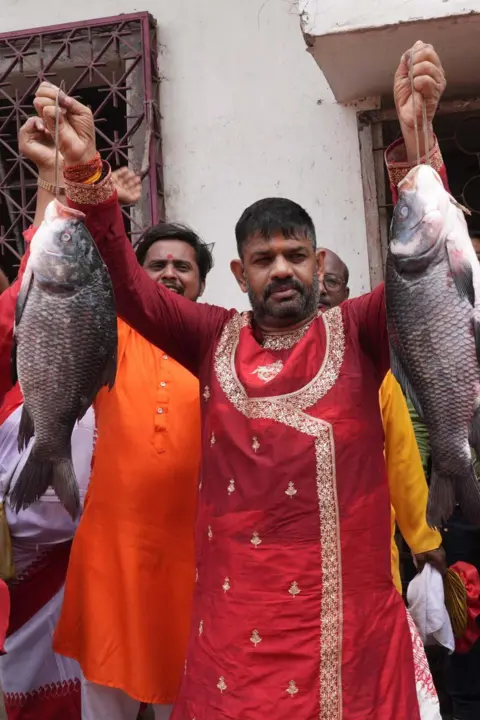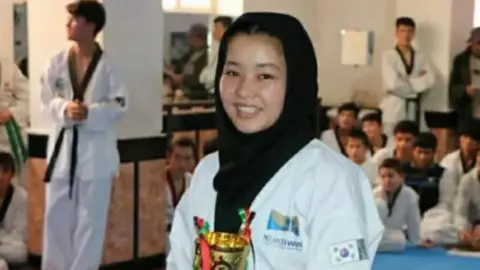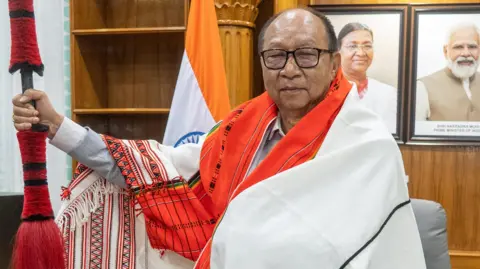
Manipur, in India's northeast, has a new chief minister after being under direct federal rule for a year due to ethnic violence that resulted in more than 260 deaths. Yumnam Khemchand Singh, who has a background in taekwondo, took his oath last week, stepping into a leadership role during a time of deep communal fractures between the majority Meitei and minority Kuki-Zo communities.
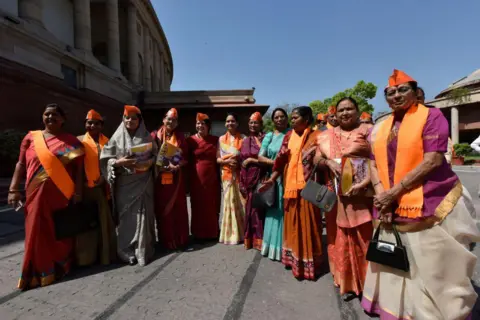
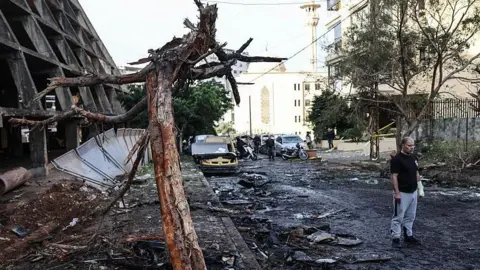
Since the violence erupted in 2023, these communities have largely remained segregated, with thousands displaced from their homes. Singh's extensive background in taekwondo and politics adds layers to his role; he has been associated with the Rashtriya Swayamsevak Sangh (RSS) and has served in various governmental capacities since his first election in 2017.
Despite his experience, reactions from the populace are mixed. Some Manipur residents and political analysts express hope for Singh's leadership, while others remain skeptical about his ability to restore stability. Observers note that recent tensions, including protests and violence, present a critical backdrop as Singh starts his term.
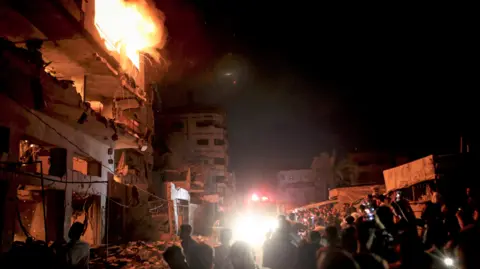
Shortly after his appointment, protests emerged in Churachandpur following Singh's oath-taking, showcasing the deep-rooted discontent among the Kuki-Zo population regarding their representation in government. Furthermore, ongoing schisms are exacerbated by a history of violence that inflates mistrust between ethnic groups.
The reality Singh faces is stark; even as he aims to bridge the divide within Manipur, external pressures and community demands continue to cloud the political landscape. While some cite his outreach efforts as promising signs for future leadership, the path to reconciliation is fraught with challenges, raising the question of whether he can translate political acumen into lasting peace.