German males aged between 17 and 45 may need to seek approval for lengthy stays abroad under changes introduced in a new law associated with voluntary military service.
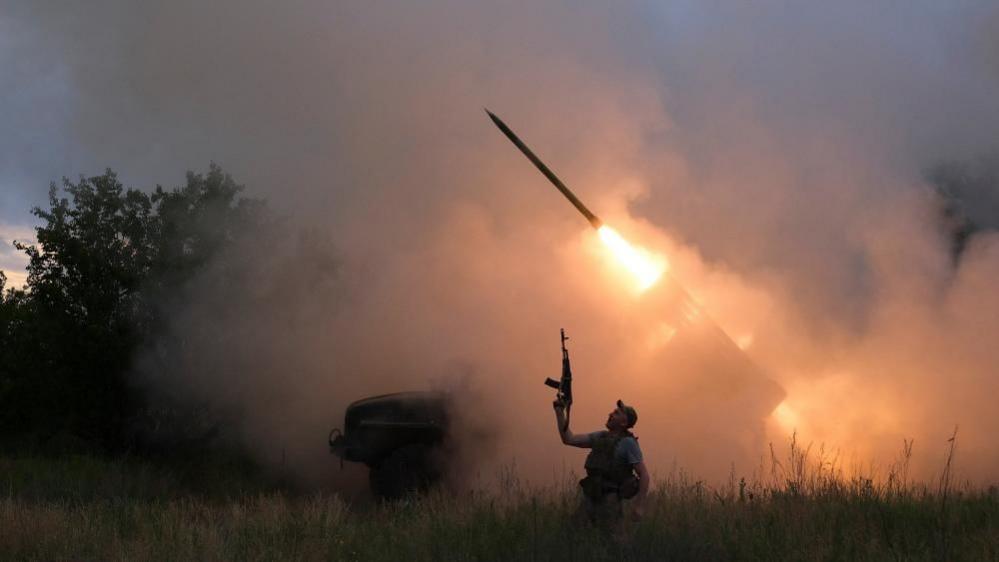
The Military Service Modernisation Act, effective from January 1, aims to enhance the country’s defenses following escalating threats from Russia amidst the Ukraine conflict.
A defence ministry spokesman confirmed that males aged 17 and older would need prior approval for any stays exceeding three months abroad.
According to current law, such travel approvals must usually be granted, though the enforcement mechanisms for violations are still unclear.
This new requirement gained attention after being reported by the Frankfurter Rundschau newspaper, which revealed that the regulation was designed to maintain a reliable military registration system. The defence ministry highlighted the importance of knowing the location of individuals in the event of an emergency.
The ministry also acknowledged that repercussions for young individuals could be significant, with plans for regulatory exemptions currently under development to mitigate excessive bureaucracy.
Importantly, this obligation stemmed from amendments to Germany’s 1956 Conscription Act, which previously mandated stay reporting strictly during wartime or national emergencies.
With army personnel numbers projected to expand from 180,000 to 260,000 by 2035, the new law attempts to modernize military recruitment and readiness, including newly voluntary military engagements for youth.
Young adults are already facing preliminary questionnaires to assess interest in army service, and fitness assessments will ensue from mid-2027, determining eligibility should conflict arise.
While women may voluntarily enlist, they are not mandated to serve as per Germany’s constitution. However, mounting security concerns have reignited discussions around potentially reintroducing compulsory service depending on circumstances.
The legislative changes have sparked protests among youth, with many expressing rejection of the prospect of prolonged military training and service. Since the discontinuation of compulsory service in 2011, such requirements have become a contentious issue in the context of national security discussions.
Chancellor Friedrich Merz advocates for enhancing the Bundeswehr’s profile as Europe’s strongest conventional military force as the government adapts to a more perilous security landscape on the continent.