New World screwworm fly detected in south Texas, the U.S. Department of Agriculture confirmed Wednesday. This is the first time in decades that the flesh‑eating parasite has threatened the nation’s cattle industry and only the third time it has appeared in the U.S. in the last twenty years.
Agriculture Secretary Brooke Rollins said the case was found in a 3‑week‑old calf in LaPryor, Texas, about 50 miles from the Mexico border. Texas State Veterinarian Bud Dinges established a 12‑mile quarantine zone, prohibiting the movement of any warm‑blooded animal—including pets—outside that zone without inspection.
Rollins added that no other detections have been confirmed in the U.S., and officials emphasized that while the fly’s larvae threaten livestock production, they do not infest food. Proper treatment can allow even the infested calf to recover.
The fly’s movement across Mexico has alarmed U.S. and Texas officials as well as the cattle industry for over a year, recalling the financial losses the pest caused before its eradication in the 1970s.
The first confirmed case in Texas since 1966 underscores the U.S. commitment to preventative measures, including dropping millions of sterile screwworm flies to mate with wild females—a strategy that successfully ended the pest’s presence in the past.
The USDA is confident that the isolation and containment measures prevent a mass infestation. Officials have deployed 8,000 fly traps along the U.S.–Mexico border and tested more than 58,000 fly samples and 19,000 wild animals.
In an online news brief the day before, Rollins highlighted the U.S.‑Mexico border threat, noting confirmed cases just 25 miles from the border in Mexico.
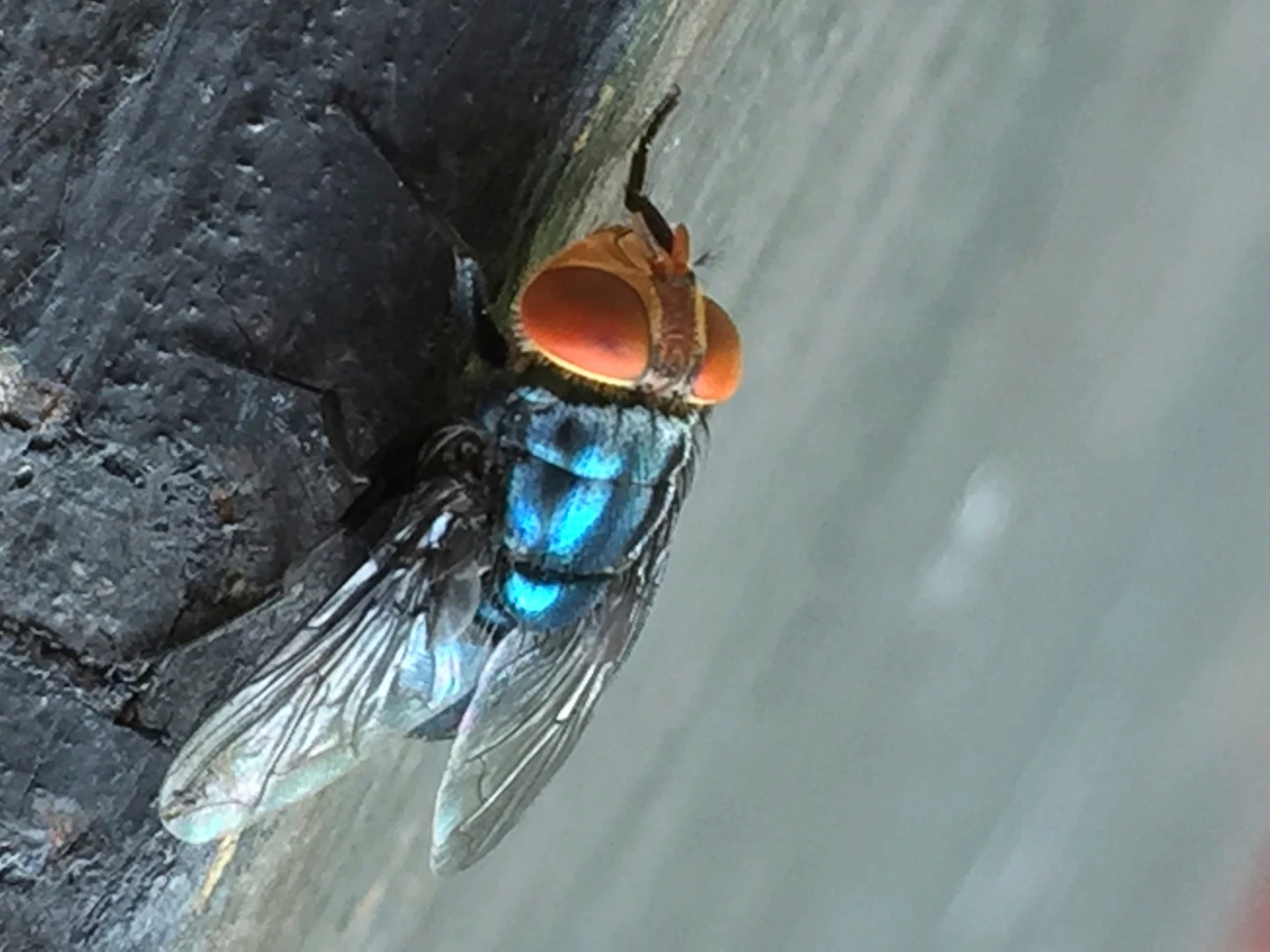
The New World screwworm is a tropical species that historically infested cattle in the southern United States, but was fully eliminated earlier. The female fly lays eggs in open wounds or mucous membranes, where the hatchlings consume flesh, a trait unique among flies.
In August 2025, a Maryland resident who had traveled to El Salvador was found to have the parasite, but the victim recovered and no transmission was detected. The last outbreak occurred in the Florida Keys in September 2016.
Female flies mate only once in their lengthy lives; mating with a sterile fly eliminates the possibility of viable eggs, leading to eventual population decline. The U.S. had relied on this biological control, shuttering breeding facilities until recent efforts to re‑establish sterile fly production in southern Mexico.
The USDA has invested $21 million to convert a fruit‑fly breeding facility in southern Mexico into one for sterile screwworm flies, launching a new center that will disperse flies produced in Texas. Construction on a $750 million factory is underway, with the Mexico facility expected to become operational next month.
Ranchers and pet owners are urged to respect the quarantine zone to prevent further spread of the pest, said veterinarian Bud Dinges.
}