In brief
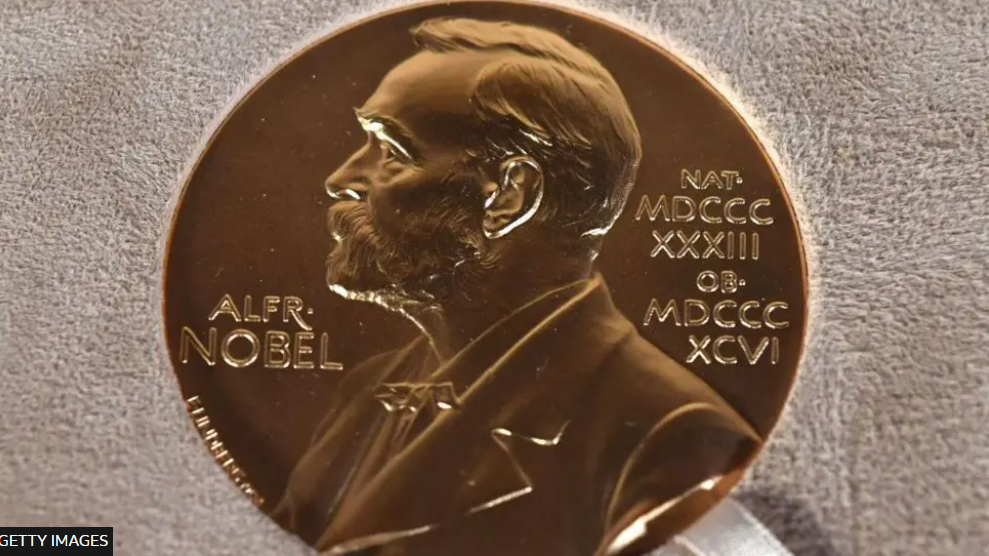
US psychiatrist and neurologist Karl Deisseroth, together with German scientists Peter Hegemann and Georg Nagel, received the 2026 Nobel Prize for developing optogenetics, a technique that uses light to control specific neurons. This breakthrough has illuminated how brain circuits underlie specific memories, feelings and behaviours, offering new insights into mental health and neurological disorders. Clinicians are already experimenting with optogenetic strategies to restore sight in people with visual impairment.
US psychiatrist and neurologist Karl Deisseroth, together with German scientists Peter Hegemann and Georg Nagel, were awarded this year’s Nobel Prize in Physiology or Medicine for pioneering optogenetics, a technique that uses light to control the activity of specific neurons.
Their research has provided a powerful tool for mapping the neural circuitry underlying particular memories, feelings and behaviours, opening an era of targeted investigations into neurological and psychiatric disorders.
In clinical settings, researchers are already applying optogenetic strategies in attempts to restore vision for patients with visual impairment, demonstrating the translational potential of this discovery.
Published 4 minutes ago © BBC News | BBC News