Nobel Prize Spotlights Optogenetics: Light‑Controlled Brain Mapping Wins Global Praise
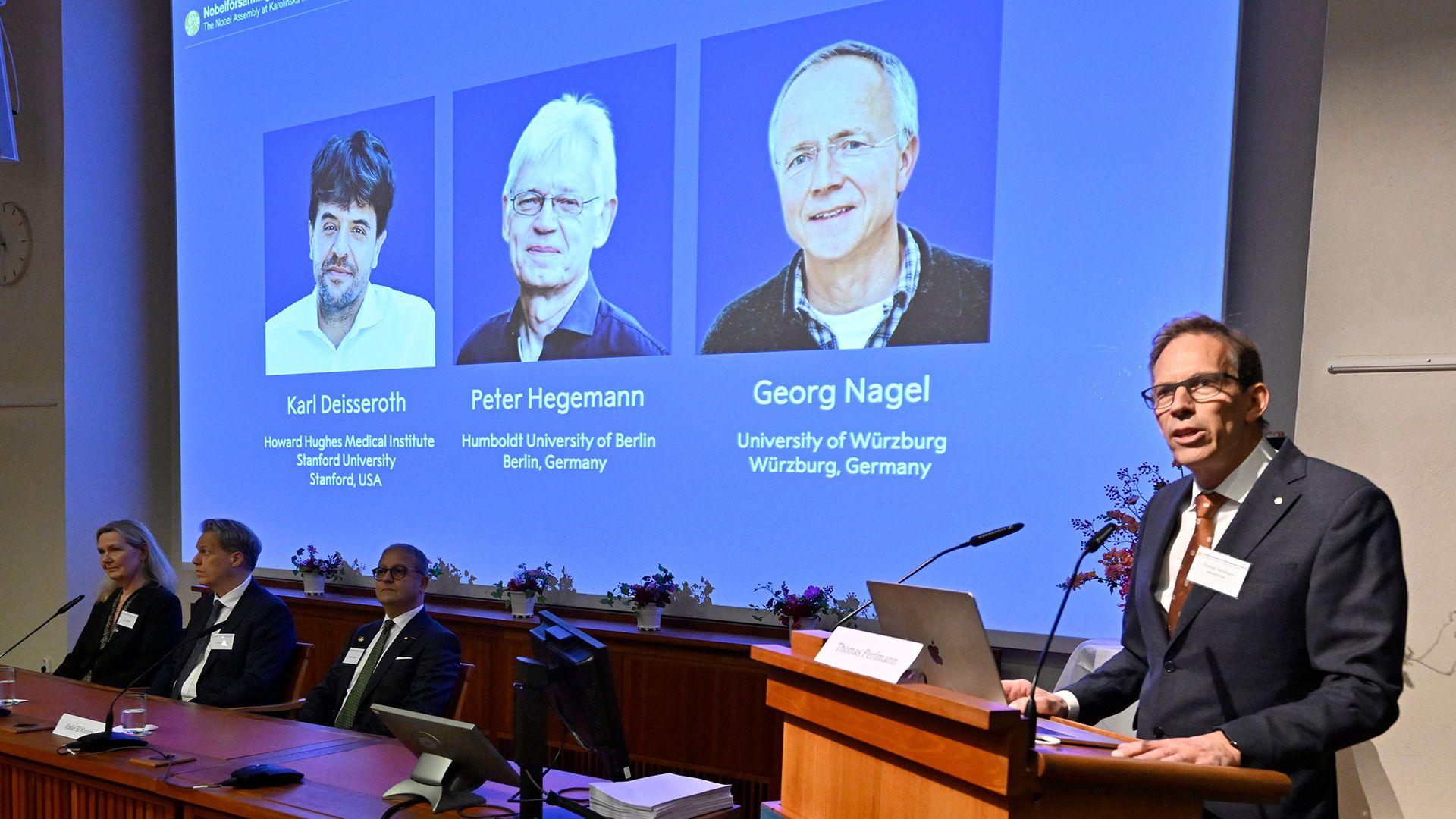
On 5 October, the Nobel Committee in Stockholm bestowed its most coveted honour in Physiology or Medicine on a trio of scientists—US psychiatrist and neurologist Karl Deisseroth, German neurologist Peter Hegemann and fellow German Georg Nagel—for developing optogenetics, a revolutionary technique that illuminates the brain with light to turn specific neural circuits on and off.
“The method opens a new era in neuroscience,” said the Committee’s chair. “Every day brings new discoveries that help solve the mystery of how our phenomenal brain works.” The recipients embraced the award as “absolutely wonderful” and praised the collaborative spirit that propelled them from lab benches to the Nobel podium.
How Optogenetics Works
Hegemann and Nagel first isolated channelrhodopsin in the early 2000s—a protein from algae that conducts light‑induced ion currents. Deisseroth later engineered ways to deliver this protein into mouse neurons, permitting precise control of cellular electrical activity with pulses of light. The result is a circuit‑level map of the brain, revealing how particular pathways generate memories, feelings and behaviours, and how they are disrupted in disorders such as Parkinson’s disease, depression and schizophrenia.
The technique’s precision has already influenced clinical research. In an ongoing trial for retinitis pigmentosa, researchers introduced channelrhodopsin into the retina, enabling patients to see again when wearing specialised glasses that flash blue light. Early results show “some vision” restored to eyes that had previously lost rods and cones.
Broader Implications and Debate
While hailed for its medical promise, optogenetics also sparks debate. The capacity to manipulate neural circuitry raises concerns about consent, privacy, and potential misuse for behavioural nudging or cognitive enhancement. Some ethicists warn that the line between therapeutic intervention and autonomy could blur as the technology matures.
Politically, different nations are racing to secure patents and funding for light‑based neuroscience, signalling a future where government policy could influence who gets access to lifesaving treatments. Culturally, the visualizations of a “brain lit up” by light inspire comparisons to science‑fiction depictions of mind‑control, prompting discussions about how we understand and portray consciousness in media.
Despite these concerns, the consensus remains that optogenetics represents a landmark in how humanity probes the inner workings of the mind. With the Nobel spotlight, the method stands as both a testament to human curiosity and a harbinger of potential therapeutic breakthroughs that could reshape treatment for neurological and psychiatric conditions worldwide.