In brief
Summary: East Timor, now a stable democracy since 2002, grapples with significant economic challenges that have left over 40% of its population living in poverty. President José Ramos-Horta is actively seeking international assistance to tackle issues related to agriculture, food security, and poverty as the nation's dependence on dwindling oil and gas resources raises concerns for its future.
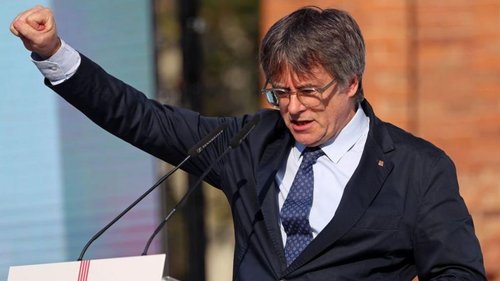
East Timor, officially known as Timor-Leste, is navigating a complex series of economic challenges that threaten its long-term stability. Emerging as an independent nation in 2002 after a period of Indonesian occupation, the country has made significant strides toward establishing itself as a stable democracy. However, stark economic vulnerabilities persist, particularly due to an overwhelming reliance on oil and gas revenue. President José Ramos-Horta, who has transitioned from an independence campaigner to a pivotal leader at 75 years old, has taken it upon himself to solicit international aid to address these pressing issues. During recent meetings with leaders from China, Vietnam, and the United Arab Emirates, he emphasized the dire need for support on matters of agriculture, food security, and poverty alleviation.Despite its modest population of around 1.4 million, East Timor reports alarming poverty statistics, with over 40 percent of its residents estimated to live below the poverty line. The state's economy, roughly valued at $2 billion, finds itself in crisis as oil and gas resources rapidly deplete—a situation that has sparked urgent discussions on sustainable economic development.Reflecting on the past two decades, Ramos-Horta expressed disappointment at the lack of progress in addressing child poverty and malnutrition, admitting, "So that has been a failure." He noted that no other Southeast Asian or African nation has endured a rebirth quite like that of East Timor, adding historical context to the present situation.The nation garnered global attention during a visit from Pope Francis last year, which prompted a significant cleanup effort across the country. However, it’s clear that immediate action is needed to secure a more stable and prosperous future for East Timor and its people.