In brief
The June 23 attack by Israel led to significant casualties and destruction, transforming Evin prison from a symbol of oppression into a point of unity for criticism against Israel.
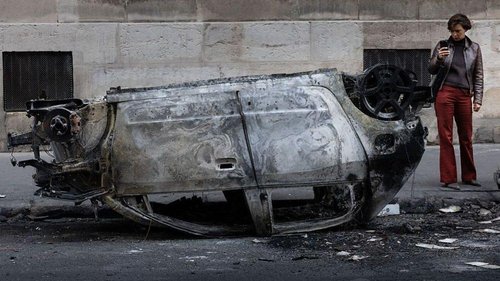
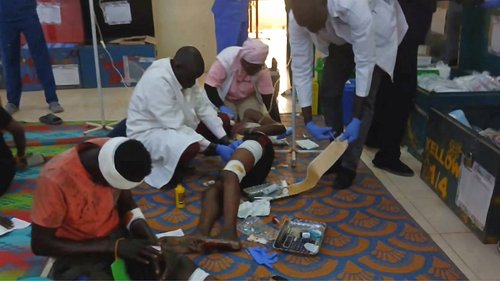
In a significant escalation of hostilities, Israel's airstrikes on Evin Prison in Tehran on June 23 generated outrage that transcended political divides within Iran. The notorious facility, infamous for its use as a detention center for dissidents, saw a violent aerial assault that left 79 dead and many others injured, including vulnerable visitors, medical professionals, and even children.The airstrike, marking one of the most lethal incidents of the ongoing Israel-Iran conflict, demolished key parts of the prison, including the visitor center and infirmary. Disturbing images from the site show wreckage of buildings and scattered personal belongings of inmates and visitors alike. Eyewitness accounts and reports from Iranian media detail a scene of chaos and heartbreak where families seeking to visit inmates became victims of the violence.Activists and rights groups have condemned the attack, highlighting its profound implications on Iranian society. What has emerged is a renewed sense of solidarity among Iranians, including those critical of their own government, who now see Israel's actions as a direct affront to their national integrity. The repercussions extend beyond immediate casualties, prompting discussions around the broader motivations behind the strikes and the fragile nature of regional stability.With ongoing tensions high, the incident at Evin prison has become a pivotal moment in both domestic and international narratives, fueling further calls for accountability and raising questions about the future of the longstanding grievances that characterize Israel and Iran's relationship.