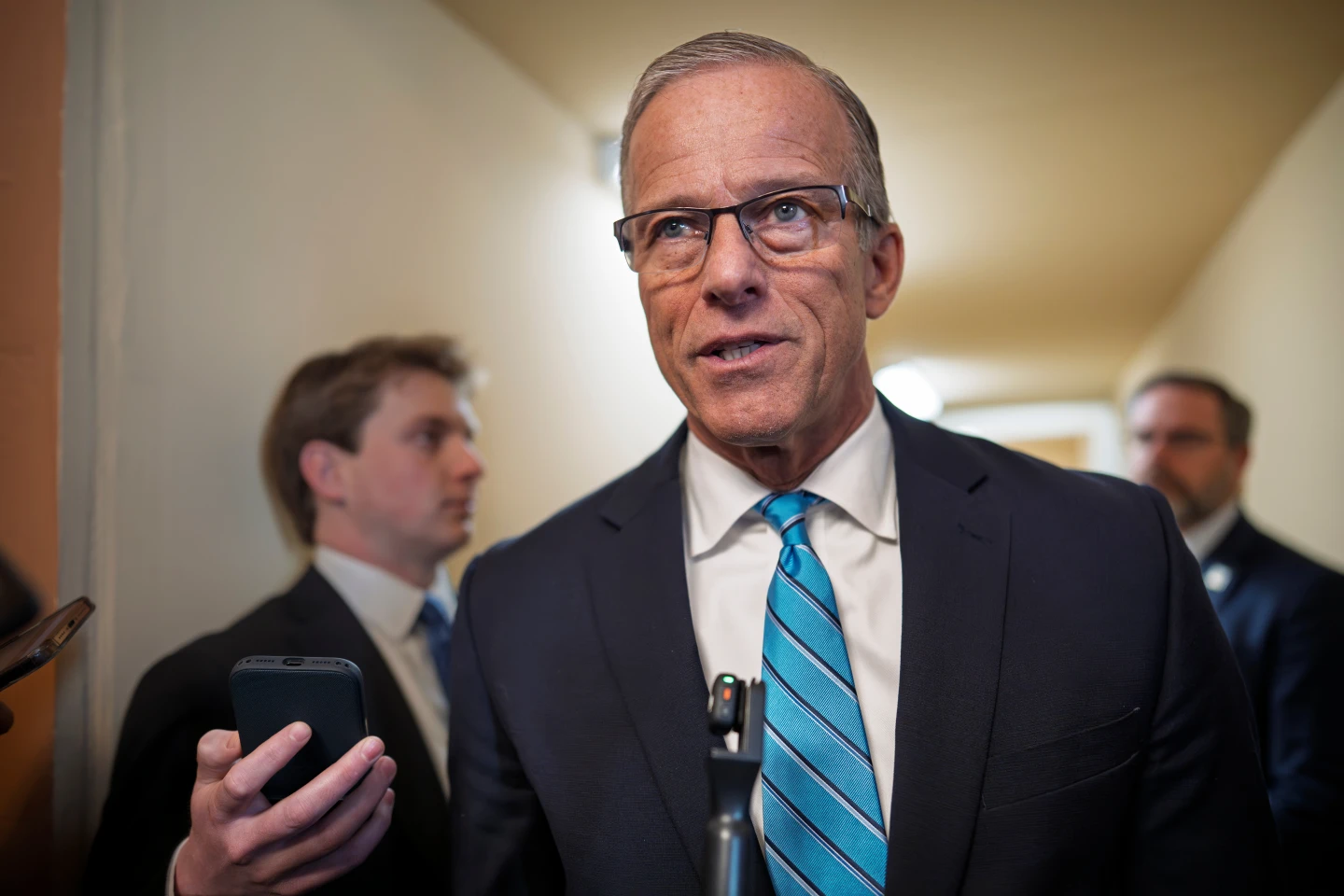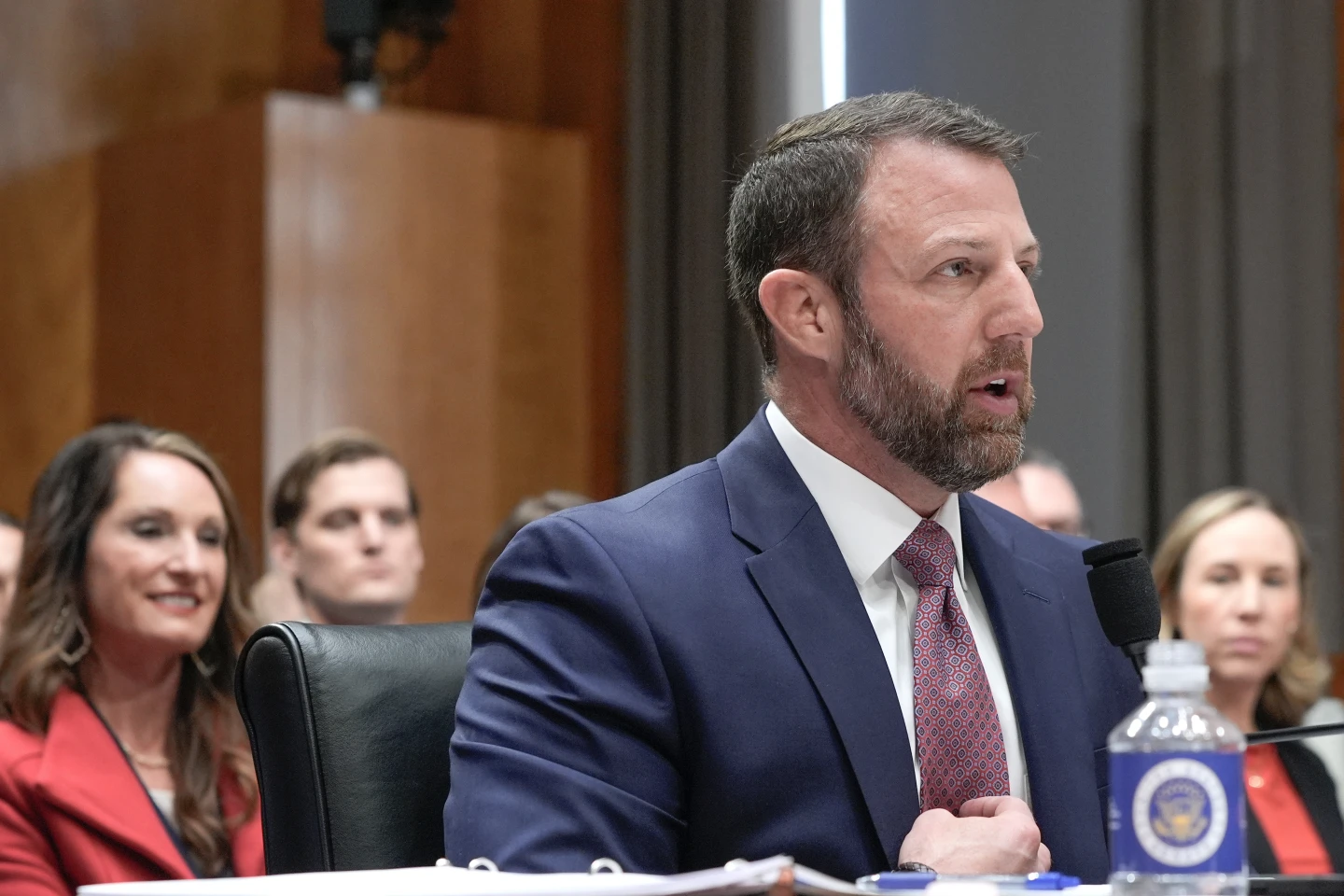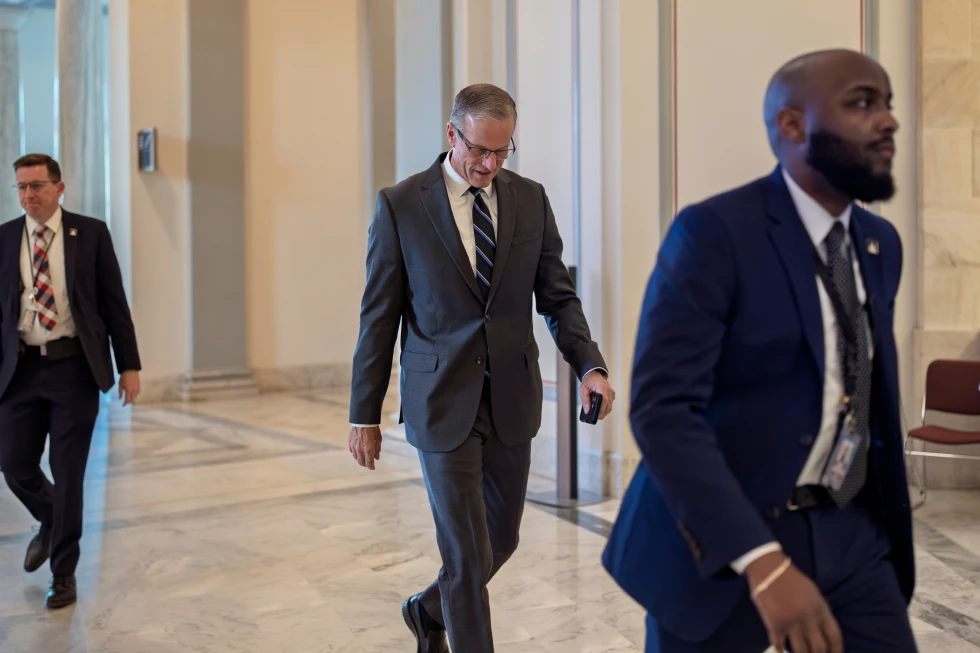
In a stark warning on Thursday, Senate Majority Leader John Thune expressed that the Democratic demands for new restrictions on federal immigration officers are unrealistic and cautioned that without cooperation from both Republicans and the White House, the Department of Homeland Security (DHS) may face another shutdown next week.
Democrats, spearheaded by Senate Minority Leader Chuck Schumer and House Minority Leader Hakeem Jeffries, have insisted that they will not support a DHS spending bill unless significant reforms are instituted in response to the recent deadly incidents involving immigration enforcement. They have proposed a stringent list of ten reforms aimed at reevaluating the operations of U.S. Immigration and Customs Enforcement (ICE) and other agencies.
Among these demands are requirements for judicial warrants for detentions, enhanced identification protocols for DHS officers, and updated use-of-force standards to prevent racial profiling. Thune responded sharply, indicating that these proposals were merely a lack of seriousness and urged for negotiation rather than unilateral demands. He emphasized that Republicans would not simply hand over a blank check to Democrats.
Schumer expressed disbelief regarding Thune's dismissal of these proposals, stating that these suggested changes are essential for safeguarding citizens' rights and ensuring public safety. He reiterated that Republicans must provide valid reasons for opposing reforms that address urgent concerns over immigration enforcement practices.
As accusations fly across party lines, the prospect of a DHS shutdown appears ever more likely, reminiscent of previous shutdown crises. Thune remarked on the significant implications a shutdown would have on services and operations, particularly around critical functions managed by the DHS like the Transportation Security Administration and the Federal Emergency Management Agency.
In response to the deadlock in negotiations, some lawmakers have floated ideas to minimize shutdown impacts, suggesting a separate funding arrangement for other essential agencies to avoid derailing operations entirely. However, with tensions high and both parties firmly entrenched in their positions, the path to a resolution remains unclear.