In brief
Anna Wintour's tenure at Vogue redefined the magazine, connecting fashion with pop culture and broadening its readership. Now, as she transitions to global editorial director, her successor Chloe Malle steps in amid concerns over Vogue's relevance in a fast-paced digital age. Experts weigh in on the challenges ahead and whether the magazine can adapt while maintaining its iconic status.
In May 1989, Dame Anna Wintour did something that would become a hallmark of her time as editor-in-chief of US Vogue - she put a pop star on the cover.
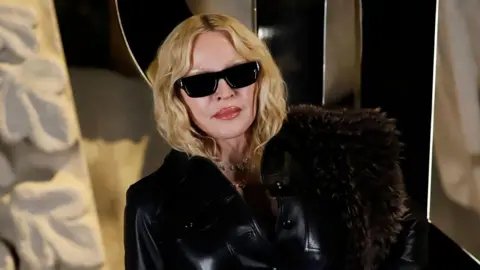
Just a year into her tenure as the top of the magazine's masthead, Dame Anna had already made a name for herself as an editor who instinctively understood the zeitgeist. She was the first to put a model in jeans on Vogue's front, with the iconic Madonna.
Now almost 40 years later, Dame Anna is preparing to hang up her Manolo Blahniks, at least as editor-in-chief -- while she will no longer lead the publication, she will remain on as global editorial director. Chloe Malle, her heir, steps in as head of editorial content.
While some view Wintour's continued presence as unease about ceding total control, it also reflects her unmatched status in the industry. With the magazine already considered a relic by some, maintaining its influence under new leadership is crucial.
Fashion magazines like Vogue once ruled the industry, dictating style with authority. Today, they face stiff competition from social media platforms like TikTok and Instagram. Malle plans to produce fewer issues, focusing more on themes and cultural events rather than a monthly schedule, hoping to reinvigorate Vogue as a collectible piece.
During Wintour's reign, she broadened Vogue's cover subjects beyond traditional fashion icons to include royals, politicians, and entertainers. Notably, when she featured Kim Kardashian and Kanye West, it sparked debate about the magazine's direction.
The corporate landscape in which Vogue operates has transformed. Recent criticisms stem from cover choices celebrating wealth over style, intensifying scrutiny on which figures deserve representation.
As Wintour's legacy looms, Chloe Malle's leadership will determine Vogue's trajectory in a world craving authenticity and diversity. The question remains: can the magazine remain relevant without the iconic figure who has been synonymous with its identity?