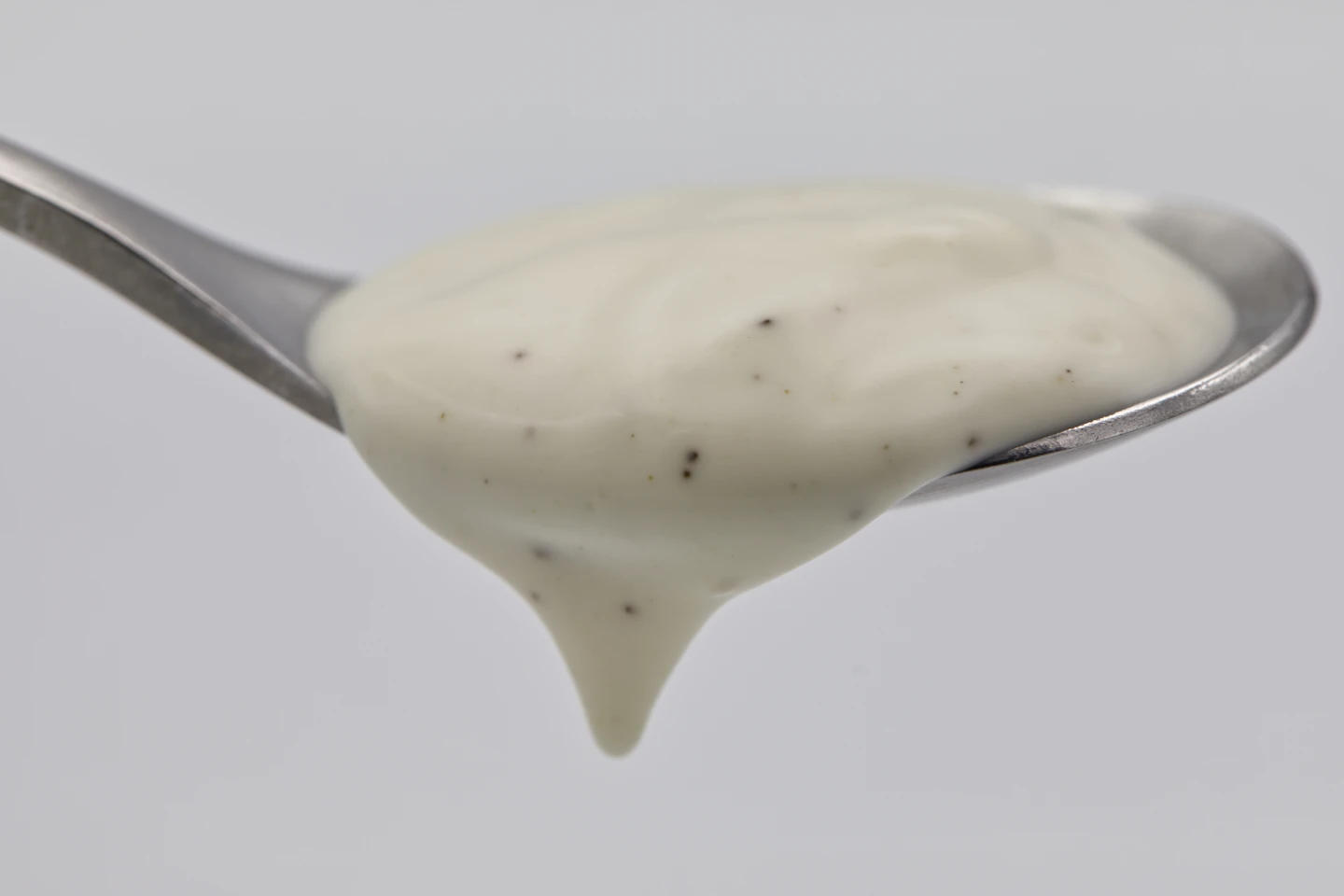
NASHVILLE, Tennessee (AP) — Ranch is the best-selling salad dressing in America, surpassing Italian at the close of the 20th century and competing fiercely with other condiments like ketchup. Known for its creamy flavor, ranch has moved beyond salads; it now plays well with hot wings, fried pickles, and, controversially, even pizza.
Ranch dressing's versatility has solidified its place in American culture, found in grocery store aisles, recipes, and menus across the country. There's even a restaurant specialized in ranch dressing dishes, and an entire cookbook dedicated to exploring its possibilities.
Dubbed both the “Great American Condiment” and sometimes viewed as “extravagant and trashy,” ranch invokes a sense of nostalgia. Nick Higgins, an executive from Hidden Valley Ranch’s parent company, acknowledges the emotional ties many people have with the dressing, which only strengthens its appeal.
The product has garnered attention and enthusiasm akin to sports debates. In an age where food has become a battlefield for culinary opinions, ranch's presence is notably prominent.
The backstory of ranch dressing is as American as apple pie — an entrepreneurial journey. Steve Henson, the creator of ranch, began by serving it to workers while working as a plumbing contractor in Alaska and later marketed it at his Hidden Valley dude ranch in California. The dressing’s popularity skyrocketed, leading to a bottled version by Clorox and competition from brands like Kraft and Ken’s.
As ranch dressing continues to hold its ground against rising food trends, food historians consider it a staple that is unlikely to fade away anytime soon. With over 40 years of admiration, ranch dressing firmly establishes itself as an irreplaceable part of America's dining experience.
The story of ranch dressing is a testament to American ingenuity, illustrating how something as simple as salad dressing can evolve into a giant consumer product over the decades.