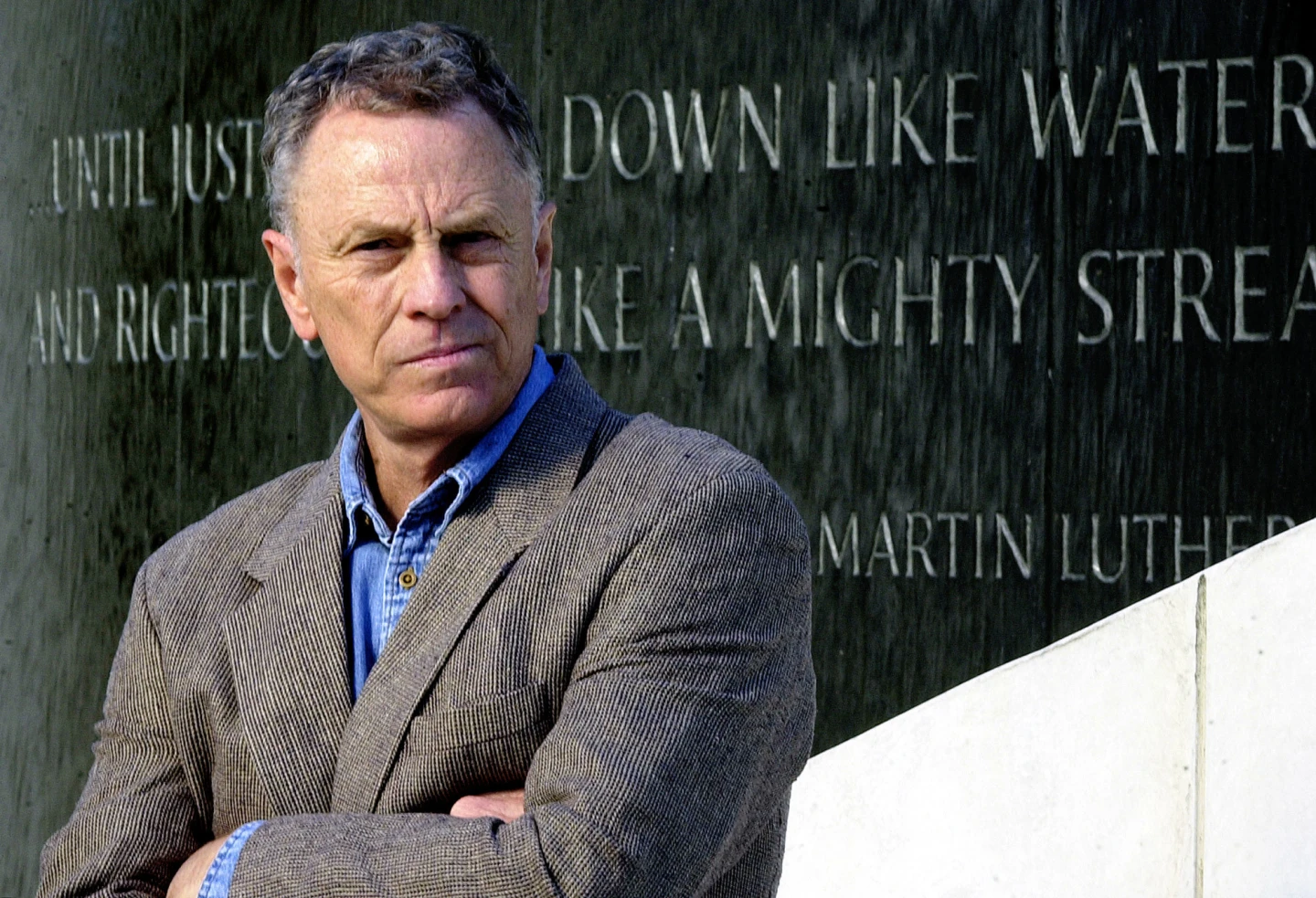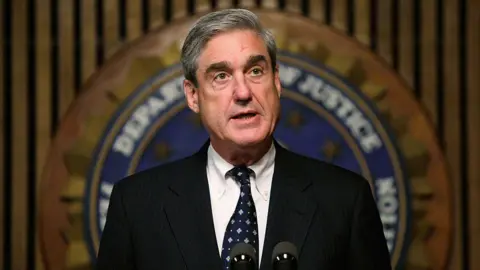
Robert Mueller, the former special counsel whose investigation into alleged Russian interference in the 2016 US election defined much of Donald Trump's first term in office, has died at the age of 81. The cause of death has not yet been disclosed, according to a confirmation from CBS News.
Mueller's family released a statement expressing their deep sadness and requesting privacy during this difficult time. He is remembered for his leadership of the Federal Bureau of Investigation (FBI) from 2001 to 2013, a period highlighted by the challenges of the September 11 attacks and the subsequent reshaping of the agency into a modern counterterrorism body.
Survived by his wife of nearly 60 years, Ann Cabell Standish, two daughters, and three grandchildren, Mueller's contributions to the FBI were praised by former presidents George W. Bush and Barack Obama. Bush expressed sadness over Mueller's passing, noting his critical role in enhancing national security post-9/11. Obama referred to him as one of the finest directors in the FBI's history.
Mueller's investigation into Russia's influence during the 2016 election resulted in numerous indictments and underlined the tensions surrounding Trump's candidacy. Trump described the inquiry as a politically motivated witch hunt, expressing his relief at Mueller's death.
The 448-page report from Mueller's office, which culminated in March 2019, made significant findings about Russian interference but did not establish that the Trump campaign conspired with Russia. It clarified that while the president was not exonerated, it also did not charge him with any crime.
Mueller's career spanned decades, beginning with his service in Vietnam, and later his role as FBI director. Colleagues highlighted his integrity and steadfast commitment to public service. His legacy remains a controversial and polarizing aspect of contemporary American political discourse.