In brief
Oslo and St Petersburg diplomacy has drawn mixed reactions. While Norway’s prime minister praised the dialogue, a Kremlin adviser criticised the lack of actionable plans. Putin appears unwilling to meet Zelensky outside Moscow, and Trump’s recent policy moves are easing pressure on Russia. The prospects of a three‑way summit remain uncertain as Russia hints that any notice of peace is largely symbolic.
After two days of diplomacy in Oslo and St Petersburg, does the Ukraine war inch closer to peace?
Norway’s prime minister called Tuesday’s exchange between President Volodymyr Zelensky, U.S. envoy Steve Witkoff and European delegates "good and constructive."
The goal was a three‑way summit in Moscow, with the U.S. President and Russian President agreeing to meet Zelensky. But Putin shows little interest in sharing a table with Kyiv – unless it is in Moscow.
In a post on X, Witkoff said "there is still important work to do," while noting President Trump remains "committed to seeing this war end."
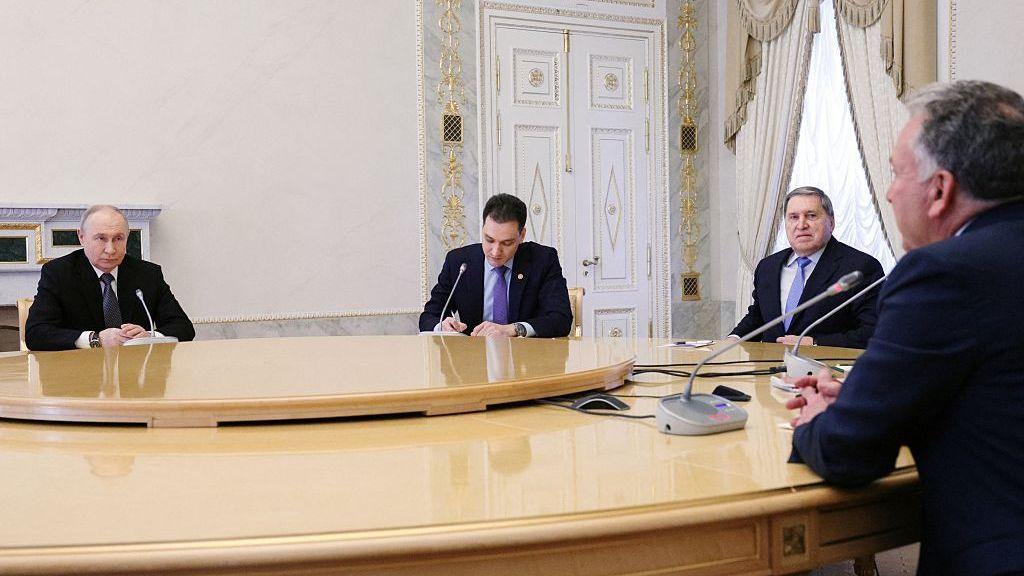
Kremlin adviser Yuri Ushakov, who sat on the U.S. delegation in St Petersburg, was unimpressed. "In terms of resolving the Ukraine crisis, there wasn’t much useful," he said. "I don’t know how close we are getting, but things are moving in that direction." The comments were vague.
Ushakov’s tone suggests that Putin sees no pressure to end the war, noting Ukraine’s air defences are under strain, winter is coming, and Moscow may use cold weather to squeeze Kyiv.
Meanwhile, Donald Trump has paused some sanctions on Moscow, agreed to buy Russian diesel and has openly criticised Zelensky – moves that ease pressure on the Kremlin.
Some commentators predict a Putin‑Trump‑Xi meeting next month on the sidelines of an APEC summit, dubbing it "The New Yalta." It would place Russia at the heart of global politics after five years of war.
The latest Oslo talks have not yet produced a concrete roadmap for ending the conflict, and the Kremlin’s comments underline that the push for peace remains largely symbolic.