In brief
On Wednesday, Taoiseach Micheál Martin issued a formal apology to the family of former senior prison officer Brian Stack, acknowledging failures in the Gardaí’s inquiries into his 1983 murder by the IRA. The apology came after 40 years of the Stack family seeking answers to the unanswered shooting, which left a widowed mother and three sons in relentless grief. The unsuccessful investigations, including lost evidence and unrecorded witness statements, prompted a 2007 review that identified over 200 recommendations and documented serious lapses. The IRA later acknowledged responsibility, and Sinn Féin expressed regret, but the family argued the state’s apology should also address its investigative shortcomings. The apology is seen as a symbolic step toward closure for the family and a broader acknowledgment of the wrongs of the Troubles era.
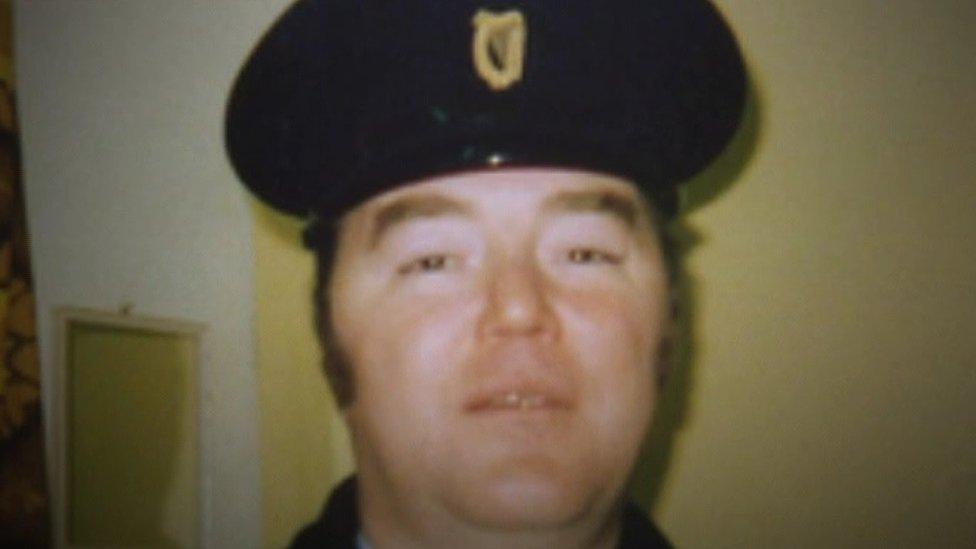
In a moving session of the lower house of Parliament, Irish Prime Minister Michael Martin formally apologized for the state’s handling of the 1983 murder of senior prison officer Brian Stack, the only prison officer in the Republic killed during the Troubles. The apology was delivered on the same day a former Gardaí official presented the family with the report that identified over eight hundred investigative errors and omissions.
"We apologise for the failings in the investigations and the pain that has been compounded for the Stack family," Martin said, standing beside a portrait of the late officer. He highlighted the loss of key evidence – such as a motorcycle helmet and a detailed crime‑scene map – and the failure to interview the officer’s colleagues at Portlaoise Prison or the prisoners themselves.
Brian Stack was shot as he crossed a Dublin street after a local boxing match, left paralysed and died 18 months later at age 49. His wife Sheila and sons Austin, Kieran and Oliver sat in the Dáil chamber to receive the apology.
Although the Provisional IRA admitted responsibility for the shooting in 2013 after a long campaign by the Stack family, the state’s apology added a new layer of accountability. “The IRA has acknowledged responsibility and expressed sorrow; today the State must do the same for the investigative failures,” the Taoiseach said.
Members of the opposition Sinn Féin reacted strongly. During the apology, the party’s spokesperson urged the government to address the family’s concerns. A senior Sinn Féin TD later thanked the state for the apology while stressing that “all recitals of history need to be accompanied by tangible justice.”
Earlier this year, the Irish foreign affairs minister Helen McEntee addressed the state’s investigation failures in the Dáil, saying: “To Sheila and the rest of the Stack family, we are deeply sorry for the additional suffering we caused.” McEntee’s remarks were echoed by Deputy Prime Minister and Minister for Justice Jim O’Callaghan, who met with the family in a private briefing before the public apology.
The apology also resonated in the UK, where Secretary of State for Northern Ireland Sir Chris Bryant welcomed the move as “entirely right and proper” and noted its importance amid the UK government’s ongoing Troubles‑legacy legislation.
For the Stack family, the apology represents an overdue acknowledgement of the pain that lingered for decades. Austin Stack said, in an interview with BBC Radio Ulster, “the state’s apology means an awful lot to us; it gives us a sense of comfort and shows that the state is finally owning up to the errors.” He added that each family member has now received the 2013 statement from the IRA admitting responsibility, a fact he considers “a greater vindication of our dad’s work.”
In concluding remarks, the Irish government emphasised that all investigative misconduct must be acknowledged: “It is plainly and utterly unacceptable that material that could have helped solve the crime is no longer available.” The apology signals a shift in how the state confronts past injustices and could pave the way for further inquiries into other unresolved cases from the era.