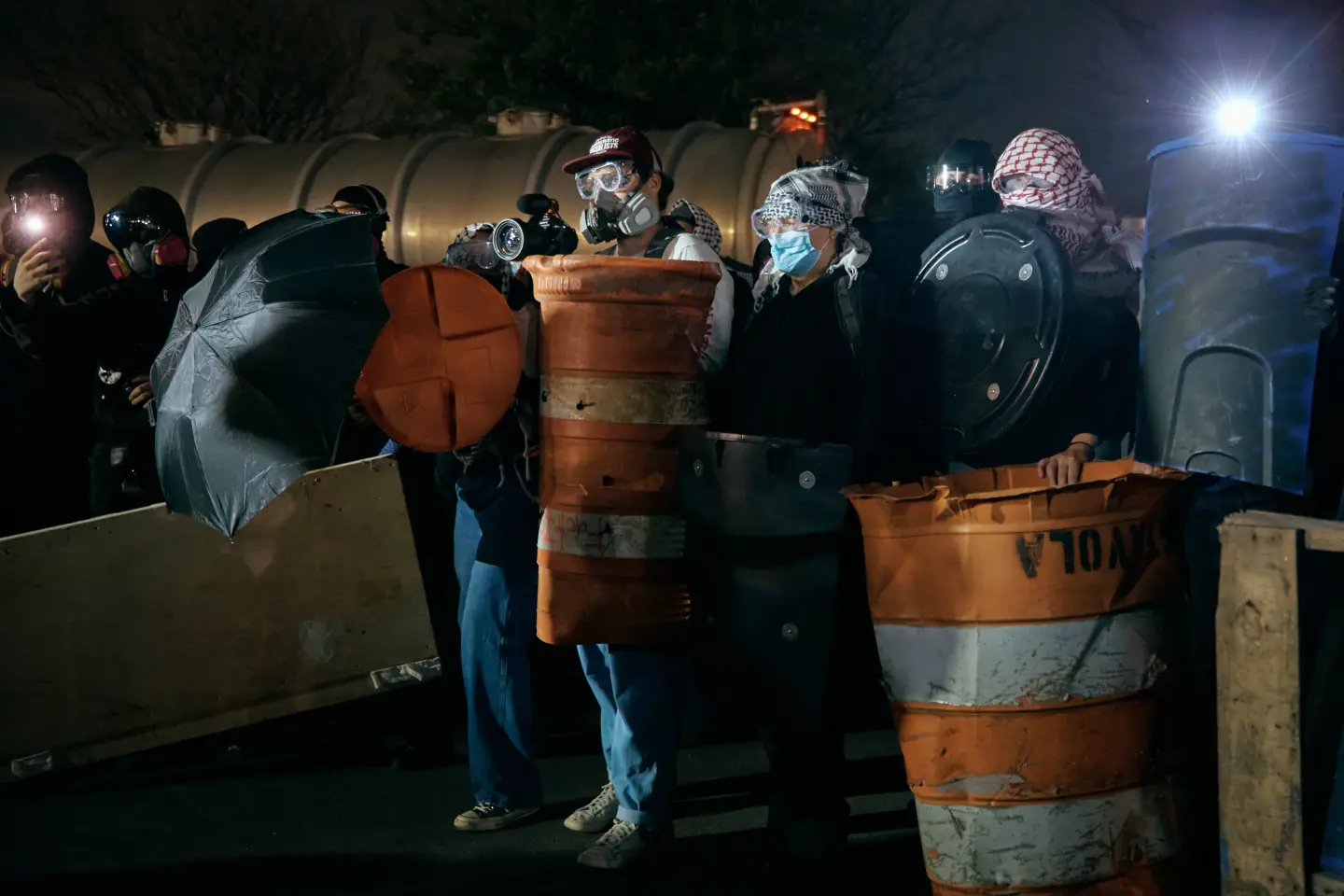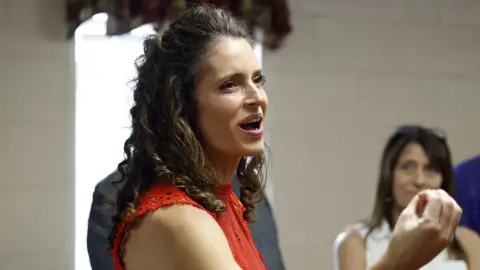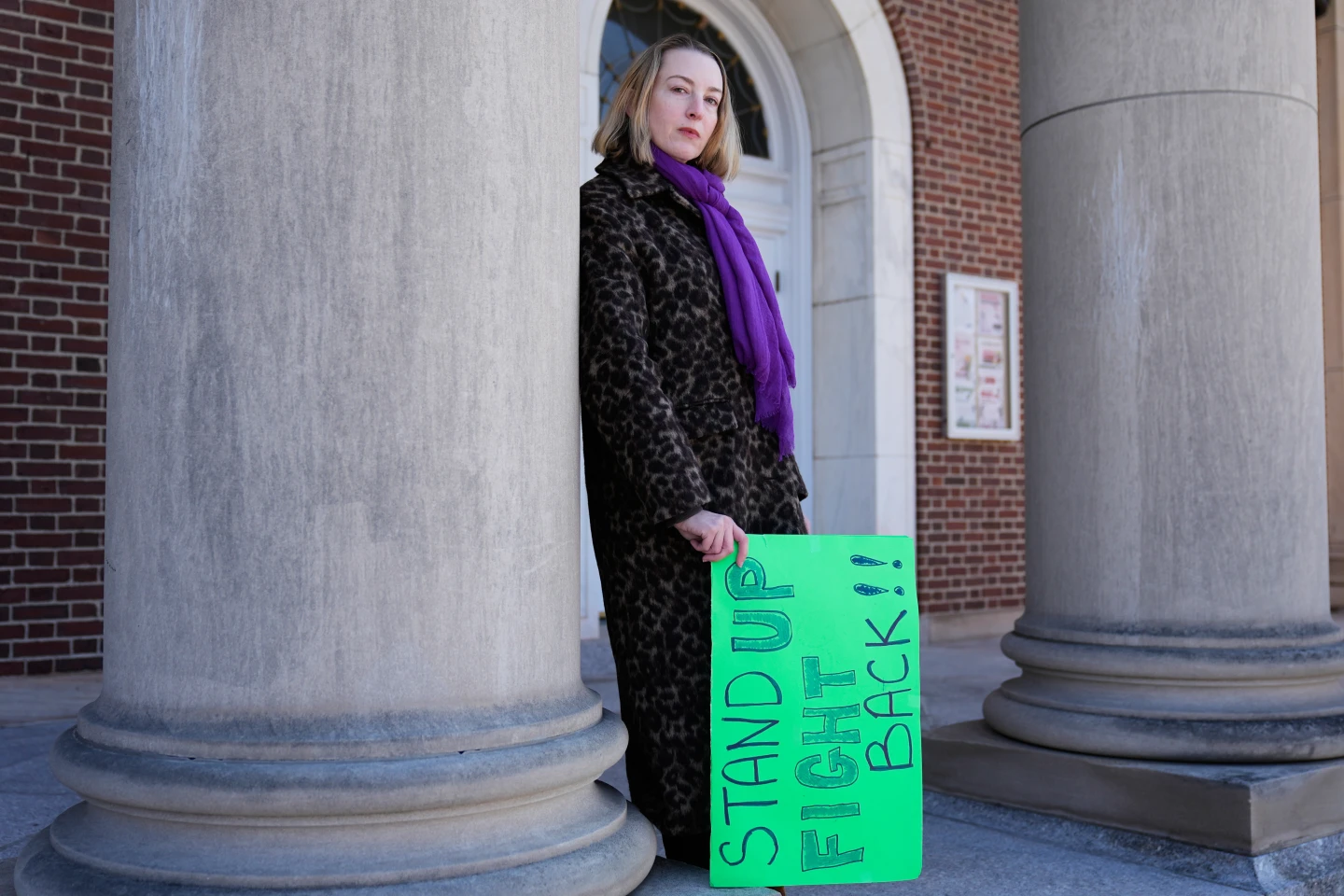
In Montclair, New Jersey, Allison Posner stands out as a passionate activist in a community traditionally viewed as politically moderate. With her husband and children by her side, she prepares to lead the No Kings protest march, driven by the belief that President Donald Trump poses a severe threat to American democracy.
Once distanced from politics, Posner now rallies for immigrant support and organizes protests, reflecting a growing trend of suburban citizens moving toward progressive political engagement. This trend appears poised to significantly impact upcoming elections and the overall Democratic landscape as dissatisfaction with Trump’s presidency mounts.
The upcoming nationwide protests are organized by Indivisible, a grassroots organization, which indicates that nearly two-thirds of anticipated demonstrations will happen in suburban areas, suggesting these communities are now on the front lines of political resistance.
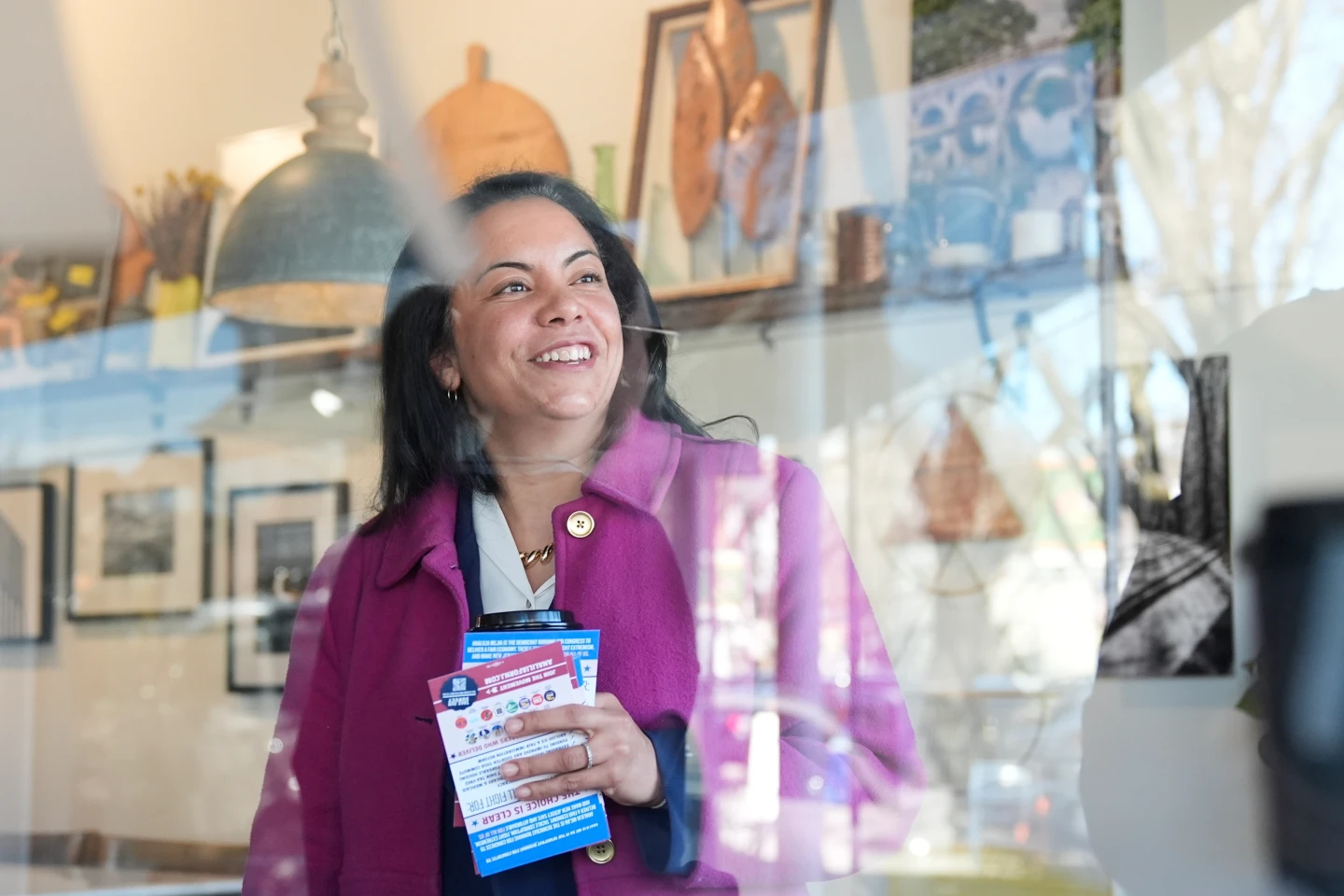
Posner's opinion is echoed by numerous suburban voters shifting their allegiances from Republicans to Democrats, signaling a change that could reshape political representation in the 11th District. Thus far, Democratic candidate Analilia Mejia is capturing attention with her progressive viewpoints, which resonate with an increasingly active electorate.
Mejia, who succeeded in her primary against more moderate candidates, embodies the voice of change in many suburban neighborhoods. In a political landscape increasingly described by the presence of Trumpism, credible voices of dissent are emerging—a factor that could help bolster Democratic prospects in the coming year.
As suburban residents rally behind progressive candidates like Mejia, they express urgency in navigating, understanding, and impacting the political narratives shaping their lives. With many parents and citizens participating in activism for the first time, the urgency is palpable: This is our fight resonates throughout their endeavors.