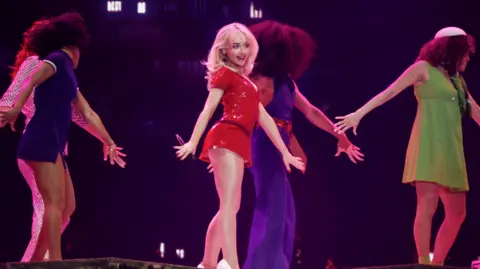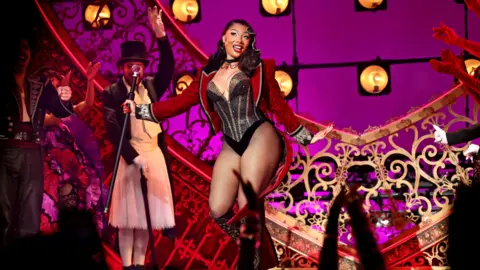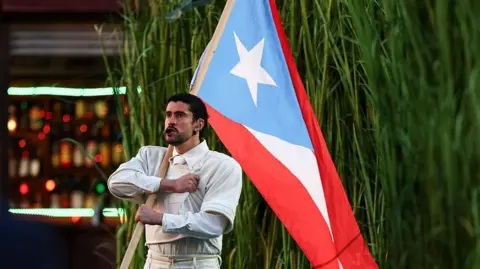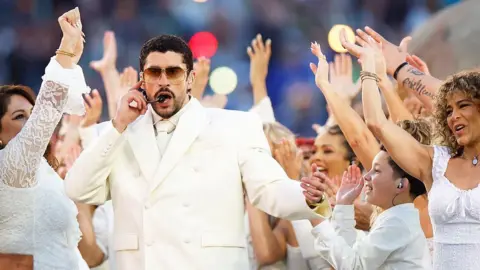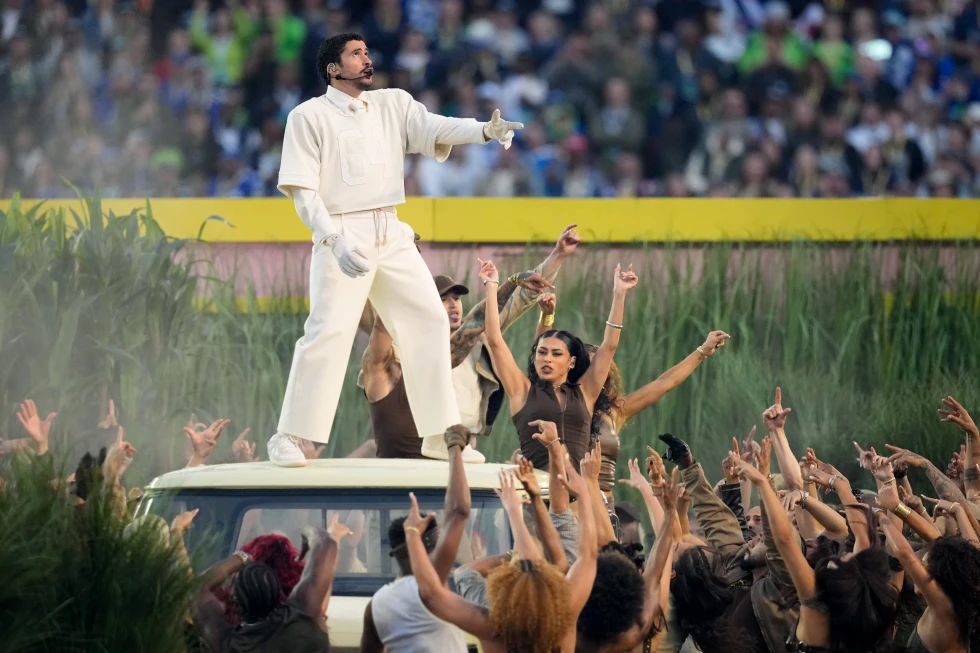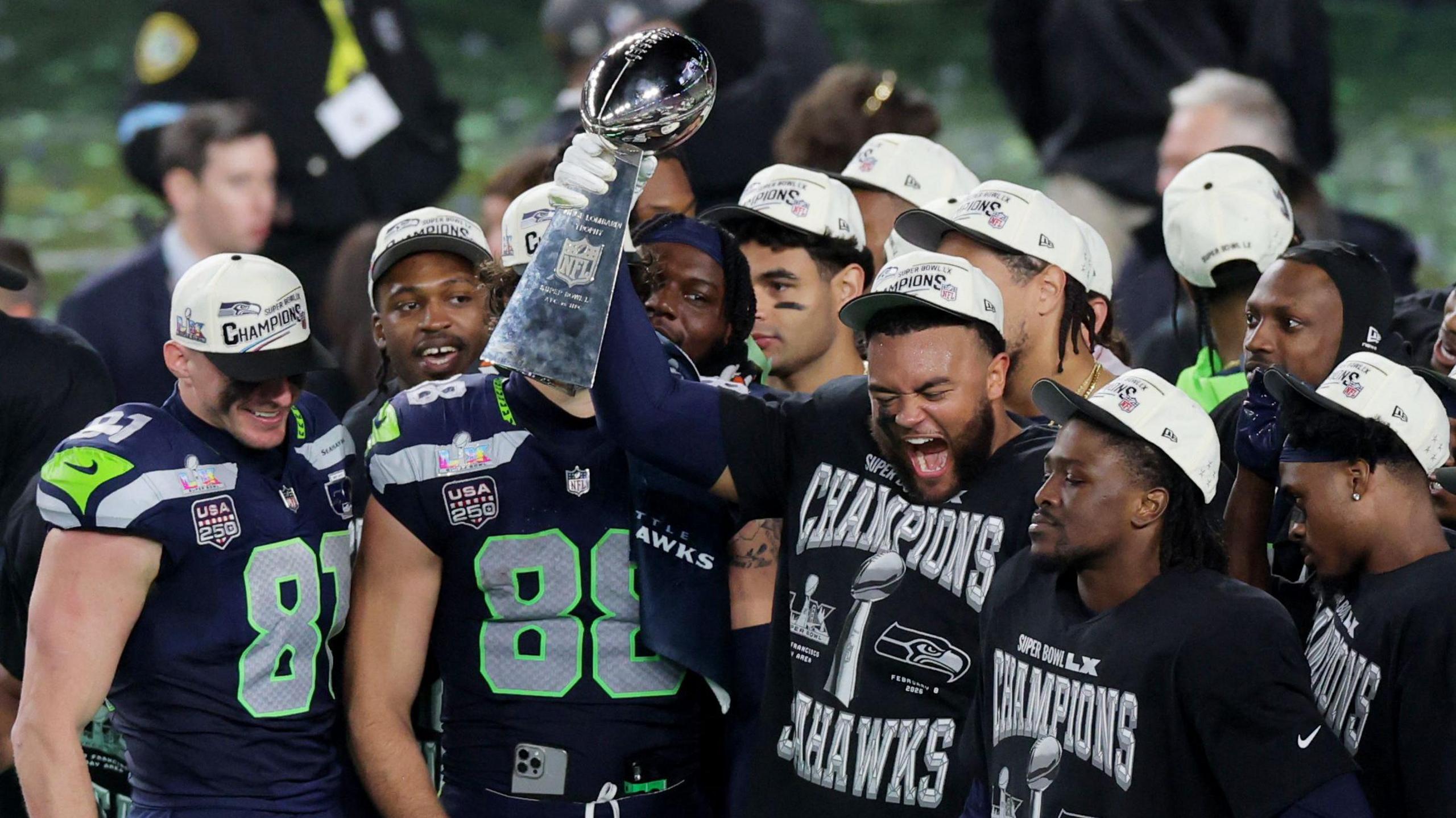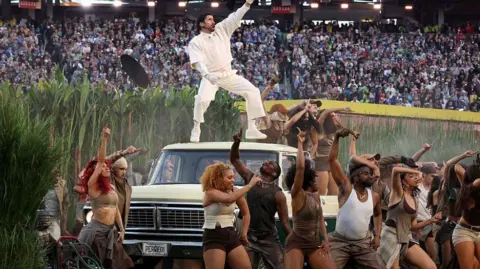
Super Bowl 60, held in San Francisco, was not just a showcase of American football but also a dramatic platform for cultural expression and political dialogue. Latin music star Bad Bunny delivered a vibrant performance, captivating audiences and drawing a mix of applause and criticism. The halftime show incorporated a medley of hits and was recognized for its celebration of Puerto Rican heritage, which was emphasized by the presence of cultural symbols and performances.
Among the notable performers were Lady Gaga, Ricky Martin, and Cardi B, who joined Bad Bunny on stage, creating moments of exhilarating entertainment. However, the show did not escape political scrutiny. Former President Donald Trump criticized the performance on his platform, labeling it 'absolutely terrible' and 'an affront to the greatness of America.' His comments highlighted a significant divide in audience reception, with many praising the cultural representation while others echoed Trump’s sentiments.
Amidst the glitz and glamour, celebrity interactions caught media attention, particularly the public debut of Kim Kardashian and Lewis Hamilton's rumored romance. The couple was seen enjoying the show, reinforcing the Super Bowl's status as a social event where celebrities converge.
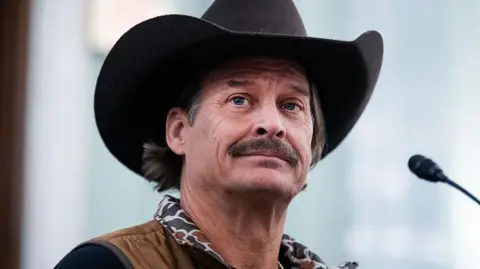
In contrast to the main event, Conservative group Turning Point USA presented an alternative Super Bowl halftime show, featuring artists like Kid Rock, in response to Bad Bunny’s headlining. This duality demonstrated the conflicting narratives surrounding American identity and culture.
The Super Bowl also served as a battleground for advertising narratives, with prominent commercials featuring tennis star Serena Williams promoting weight loss injections, drawing both acclaim and criticism for the mixed messages regarding health and body positivity. AI companies like Anthropic utilized the advertising spotlight to highlight their products, showcasing the growing influence of technology in everyday life.
The night was characterized by a blend of celebration, controversy, and reflective dialogues on identity, culture, and politics in America, making Super Bowl 60 a memorable occasion that resonated beyond the football field.