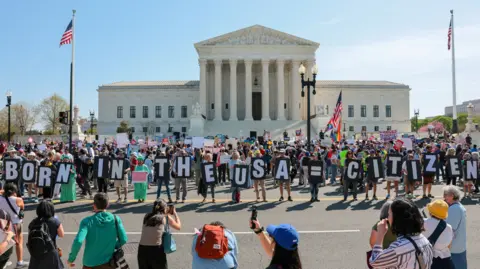
The Supreme Court has appeared sceptical of President Donald Trump's executive order limiting birthright citizenship, signaling that justices could strike down a significant component of his immigration agenda.
A majority of the court seemed unconvinced that the United States should cease granting citizenship to children of undocumented immigrants and some temporary visa holders. The Trump administration has argued that restricting birthright citizenship is essential for addressing illegal immigration, while opponents claim it would disrupt over a century of legal precedent and undermine a cornerstone of U.S. immigration law.
President Trump attended the oral arguments, emphasizing the high stakes of the case. A setback for the Republican president would follow a previous defeat regarding his global tariffs, while a victory could assist him in fulfilling his promise to modify America's immigration policies.
During over two hours of debate, US Solicitor General John Sauer attempted to persuade the justices that the 14th Amendment—establishing birthright citizenship—has been misapplied, suggesting that it should not extend to children of unauthorized immigrants.
Chief Justice John Roberts, a pivotal figure on the court, questioned the administration's authority to exclude children of undocumented immigrants from citizenship. He expressed uncertainty about how this would apply to a broad group of people. The justices discussed the significant implications of altering the interpretation of birthright citizenship.
Justice Elena Kagan articulated that the current administration is trying to reverse a tradition of birthright citizenship influenced by English common law dating back to the 19th Century. She argued that the 14th Amendment accepted this tradition without imposing restrictions.
Several justices referenced the landmark 1898 case, United States v. Wong Kim Ark, which affirmed birthright citizenship. This precedent has been used in arguments against altering current birthright policies. Advocates, including ACLU attorney Cecillia Wang, highlighted its relevance in fighting Trump's executive order.
Ultimately, the court is expected to announce its decision in June, marking the first significant immigration case decided since Trump began his second term. The filing has raised questions about how much executive power Trump can exert, especially after recent rulings have limited his authority.