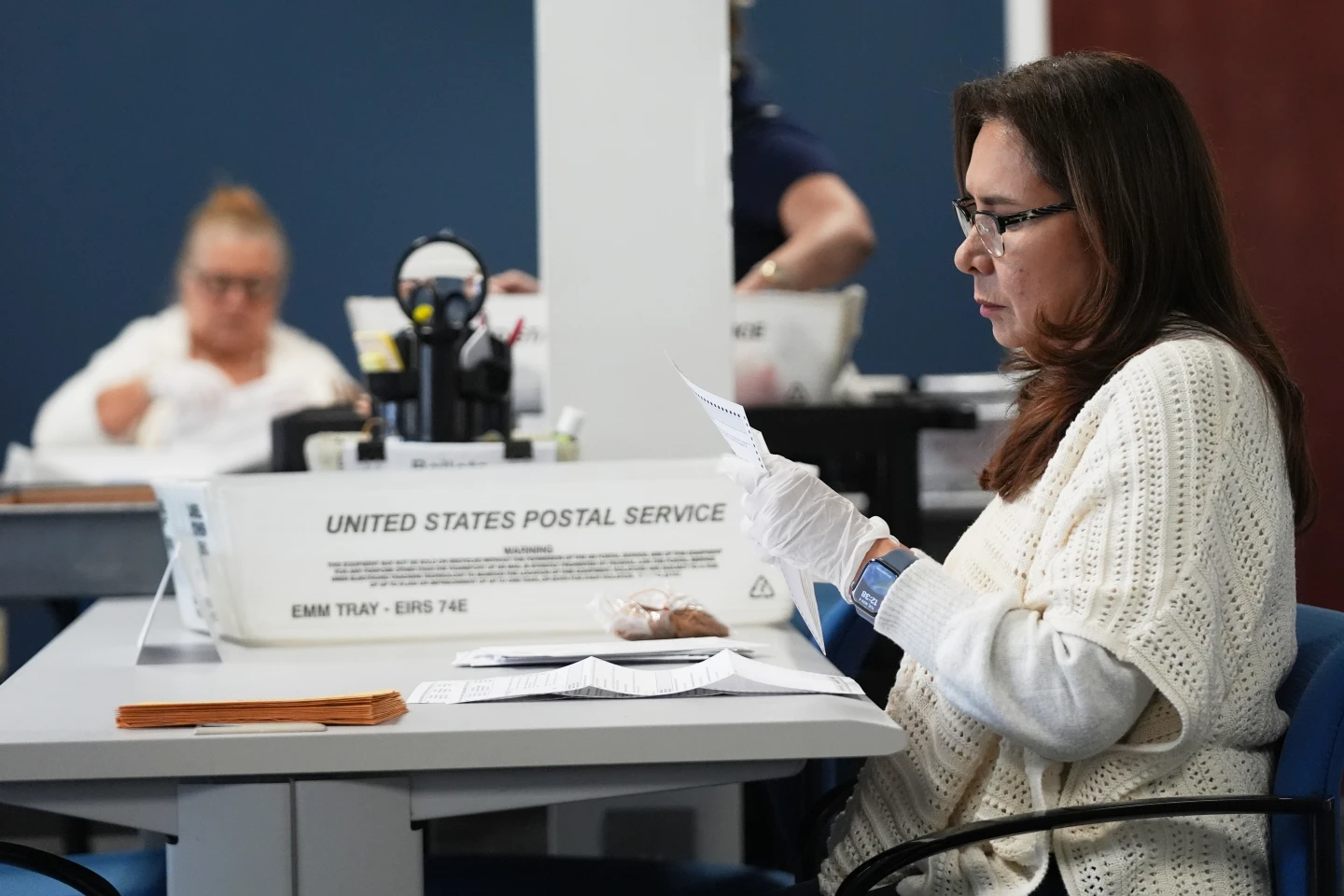
WASHINGTON (AP) — The U.S. Supreme Court is weighing the legality of state laws permitting the counting of late-arriving mail ballots, an issue brought to the forefront by a Mississippi case. This issue, if unresolved, could impact voters in numerous states including California, Illinois, Texas, and New York.
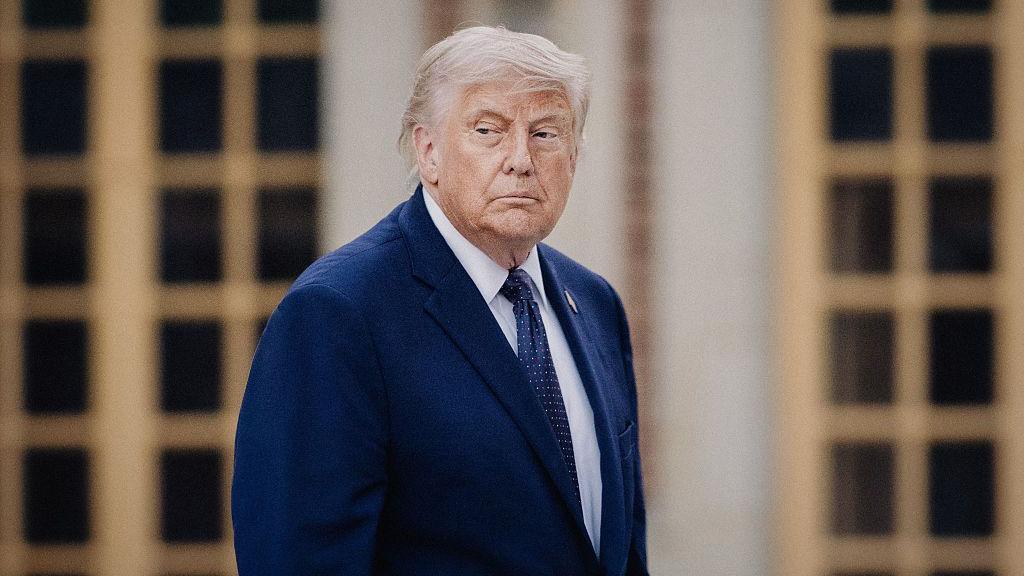
The justices, during a session Monday, expressed skepticism towards these laws, a focal point of former President Donald Trump's wider campaign against mail-in voting which he argues leads to electoral fraud.
The court is anticipated to deliver its ruling before the upcoming midterm elections in 2026, which may dictate how ballots from states with extended deadlines will be treated. A precedent could be set regarding whether state laws can extend counting past Election Day.
In defense of Mississippi's law, which allows ballots postmarked by Election Day to be counted for up to five days thereafter, Solicitor General Scott Stewart highlighted the absence of fraud cases related to late mail ballots during past elections despite allegations from Trump and his allies.
Several justices echoed the former president's concerns, questioning the credibility of elections if a substantial number of late ballots could sway outcomes. In contrast, liberal justices argued that any changes should come from legislative bodies rather than judicial mandates, emphasizing the potential for confusion and voter disenfranchisement surrounding abrupt changes in voting rules.
Acceptance of late ballots is essential for several states, especially those with geographical constraints and varying logistical challenges. The anticipated ruling will clarify whether states can maintain more flexible ballot counting procedures, or if the Supreme Court will uphold stricter standards advocated by Republican-led initiatives.
Legal representatives for the Republican Party, among others, are pushing to validate a lower court's ruling that rejected this Mississippi law, aligning with Trump's broader argument for tighter control on voting practices across the nation.