In brief
Swiss glaciers have lost more than 5 percent of their mass in a single year, the fastest rate recorded in the Alps. The rapid melt released 2.2 trillion litres of water, easing short‑term shortages but threatening the long‑term water supply for agriculture, hydropower and transport. Winter snow cover has vanished even at 3,500 m elevations, meaning glaciers cannot rebuild themselves. Scientists stress that sharp cuts in carbon emissions are still necessary to halt the collapse of these critical ice masses.
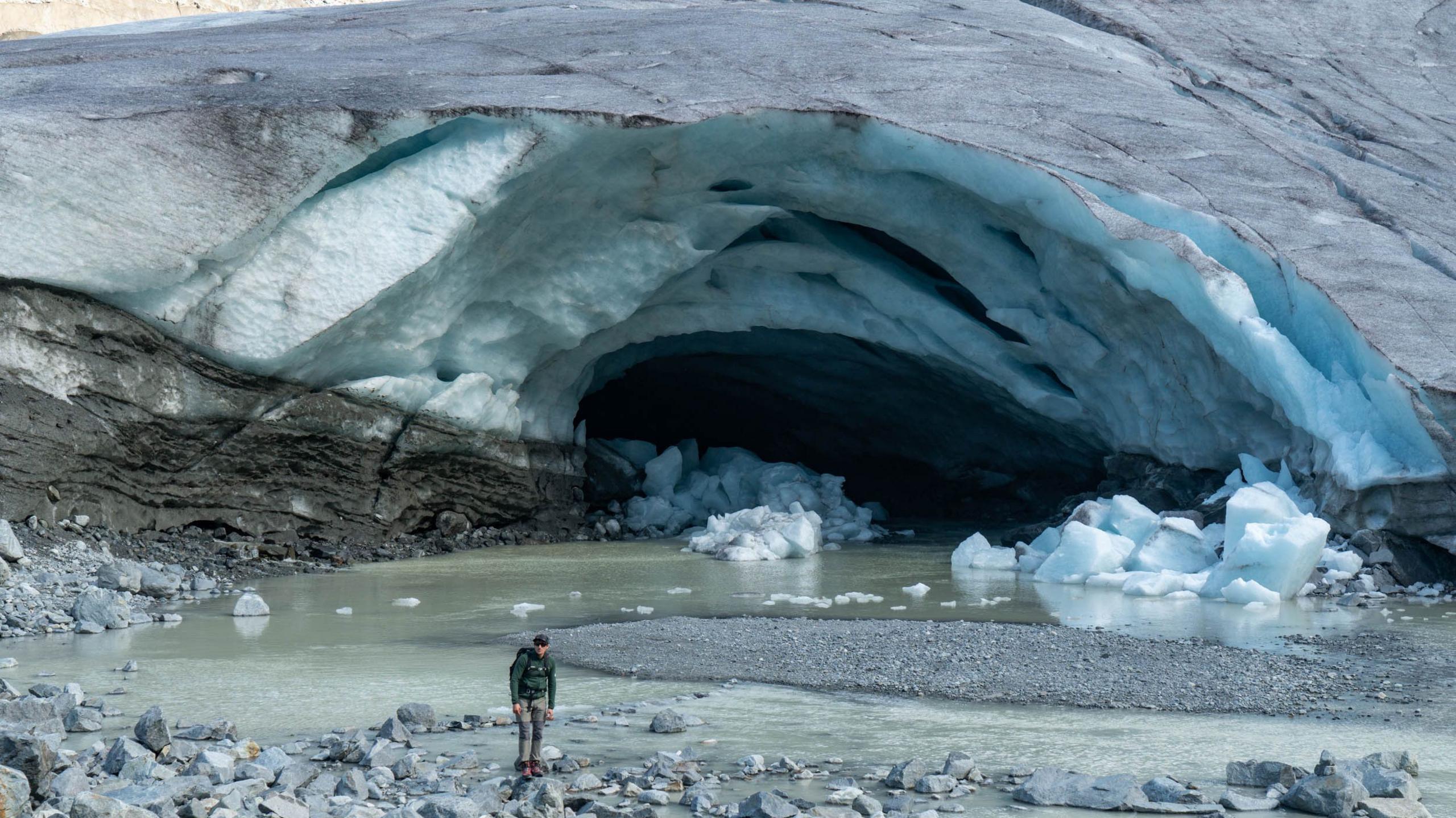
Scientists report that Swiss glaciers lost more than 5 percent of their remaining ice between January and October, the fastest rate recorded in the Alps. The loss, marked as “extraordinary”, comes after a season of record heat that stripped snow from the peaks and exposed ice to intense daylight.
The melt released about 2.2 trillion litres of water from July through September, easing short‑term shortages but also depleting the frozen store that feeds rivers, farms and hydro‑electric plants for years to come. Dr Matthias Huss warned that every drop of meltwater now is “old water” that will not be available during the next heatwave.
Even at the highest elevations – over 3,500 metres – glaciers show no winter snow protection. Without this cover, glaciers cannot rebuild where the warmest ice is melted, leading to faster shrinking and higher showdown risks of landslides and flash floods.
Researchers say cutting carbon emissions quickly is still the only way to halt the trajectory of these melting ice masses. Protection of the world’s glaciers could limit sea‑level rise that threatens billions living on coastlines.