In brief
A wave of homemade synthetic drugs is sweeping across the United States, with fentanyl mixed with dangerous animal tranquilizers such as Xylazine and Medetomidine. Veterans and long‑time residents in cities like Columbus and Chicago describe the blister‑like shadows of addiction and the new, invisible danger of these mixtures. While communities such as the Hope Dealer Community in Columbus and the Hope Dealer Community in Chicago hold weekly meetings to share stories and survival strategies, the war on drugs is shifting from supply‑side enforcement to widespread, home‑grown production. The crisis is deepening, evidenced by rising overdose deaths, prison fatalities, and a new generation of users who cannot even identify the substances they take.
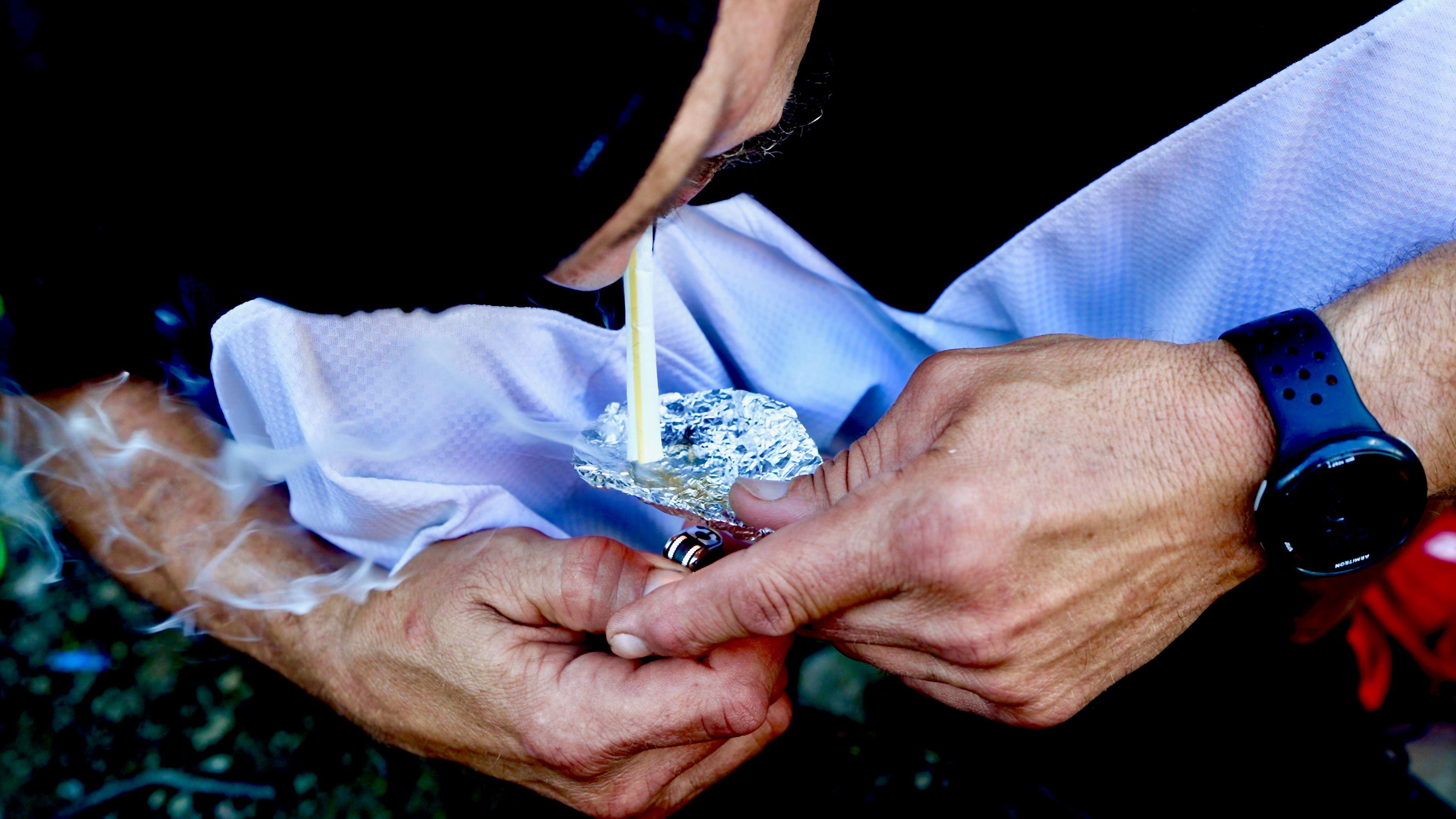
A quiet, late afternoon in Columbus’s Linden neighborhood suddenly turned into a painful social experiment that locals see as the new face of the opioid crisis. A 48‑year‑old Army veteran, Mike, carefully placed a few grains of fentanyl on a strip of silver foil, held the other end of a lighter between his lips, and inhaled just as the smoke curled up toward his face. The taste of chemical terror flashed across his mind; the hospitals he’d touched in his own life now seemed mere flickers of hope.
Representative battling the tides of addiction in America, when you step into a small alley, you encounter the unsettling rhythm of a new wave of drugs. The homemade blends contain fentanyl, a synthetic opioid 50 to 100 times more potent than heroin, mixed with animal tranquilizers such as Xylazine and Medetomidine. Those compounds not only make the high prolong but also slow breathing, rendering the standard opioid reversal drug, Naloxone, ineffective in many cases.
Between Columbus and Chicago, recovery groups have sprung up, their weekly meetings full of raw testimony and solidarity. The Hope Dealer Community in Columbus meets by a church, while its counterpart in Chicago gathers in a church on the other side of town. Members speak of loved ones lost to overdoses that could not be reversed despite repeated doses of Naloxone, describing the scene as a shotgun: once you take a hit, you can’t pull the bullet back.
In Chicago’s Cook County Jail, the flood of synthetic drugs is equally deadly. Early morning raids reveal that inmates are smuggling paper soaked in these dangerous mixtures, burning them in hidden corners of cell blocks, and inhaling the fumes. Surveillance footage shows inmates collapsing into spasms after lighting the soaked pages, while staff count a sharp rise in prison fatalities. The sheriff notes that the problem has shifted from large‑scale supply chains across borders to small‑scale, home‑grown production that can happen in a bathtub or sink.
Meanwhile, community workers like Karen Bell in Oak Park patrol the streets, offering free Naloxone dispensers at metro stations and providing test strips to detect fentanyl, Xylazine, and Medetomidine. Bell, a former heroin user now 17 years detoxed, sees the damage these new mixtures do: deep skin ulcers, breathlessness, and a permanent shadow of misuse that eclipses the previous heroin crisis.
Across the nation, health officials report that overdose deaths involving opioids peaked at 110,000 in 2022 and have dipped but not disappeared. The surge of sealed‑in, highly potent drugs has kept the numbers high, while official measures lag behind the creative evolution of drug vendors. As the sheriff points out, the only sustainable victory lies in expanding treatment, not just thickening borders and raising penalties. The crisis is no longer only about supply; it is a profound human struggle for survival, community, and the right to clean air and clean lives.