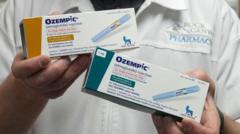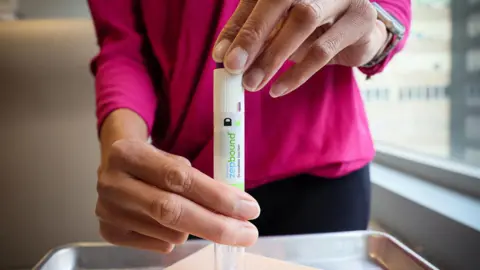
The rising popularity of weight-loss drugs in the US has led to a cutthroat competitive landscape as companies like Eli Lilly aim to capitalize on the increasing demand. Patients, particularly those without insurance coverage for weight-loss medications, have reported taking drastic measures to afford their prescriptions. For example, Ruth Gonzalez made significant lifestyle adjustments to cope with the price of Zepbound, a drug launched last year at around $350 per month.
However, following price cuts by Eli Lilly and a move to offer new medications at lower costs, Gonzalez found some relief, managing to lose over 40 pounds. The changes reflect broader trends in the pharmaceutical industry, where companies are now engaging in consumer-directed sales strategies, leading to price reductions for medications historically plagued by high costs.
Despite these encouraging developments, many individuals remain unable to afford these necessary treatments. Shekinah Samayah-Thomas, who has been denied coverage by her state’s Medicaid program, is just one of many still facing hurdles as they seek access to effective weight-loss solutions.
While price cuts have helped some, health advocates are urging for more comprehensive insurance policies to cover weight-loss drugs, arguing that direct-to-consumer sales are a temporary solution rather than a pathway to long-term affordability. The implementation of Medicare's trial coverage for these medications in July could signal a pivotal shift in how obesity treatments are accessed in the future.