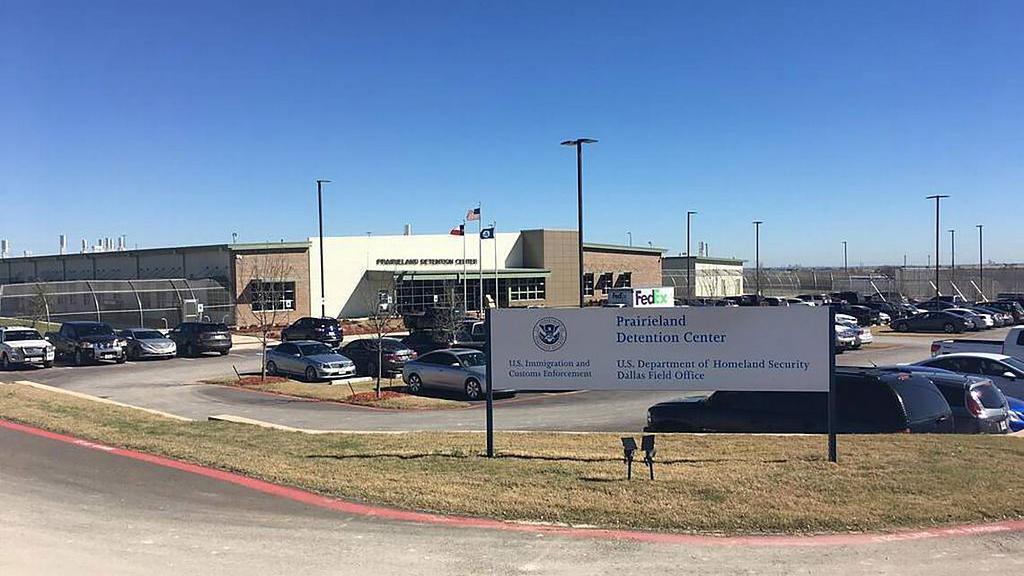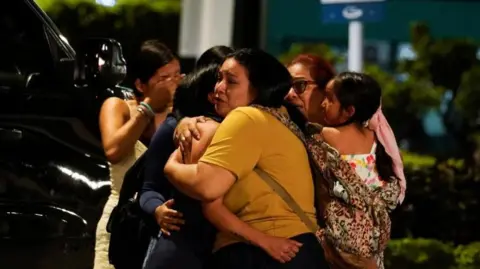
After fleeing various forms of violence and persecution, thousands of immigrants are faced with deportation orders from the U.S. immigration authorities. This recent move affects well over 13,000 individuals who were legally residing in the country and were waiting for their asylum claims to be processed. Sudden notifications have directed people, like an Afghan man and a Cuban woman, towards nations such as Uganda and Ecuador—countries where many have no familial or cultural ties.
The decisions have stirred up fear and confusion among immigrant communities, as deportation orders plunge them into a legal limbo. Most of these migrants had previously held legal work permissions, which have now been revoked, only intensifying worry about their precarious legal status.
Reportedly, despite aggressive policies advocating for increased deportations, actual deportation cases have not significantly multiplied, casting doubts on the government's effectiveness in implementing these orders. For many asylum-seekers, a looming deportation to a country they barely know creates a nightmare scenario. Advocates argue that the administration aims to instill a state of fear among immigrants, potentially pressuring them to abandon their asylum applications altogether.
As of March, new orders for third-country deportations were reportedly halted, which may indicate a shift in the enforcement strategy. Nonetheless, existing deportation orders remain active. Some individuals have recounted their harrowing journeys away from oppressive conditions at home, only to face the threat of being sent back to a country where their lives may be at risk.
Legal experts and advocates continue to track the situation closely, noting that the process of deportation is more complicated than the government anticipated, due to various legal challenges and procedural hurdles. With the rapid growth in the number of asylum applications (over two million currently backlog), many fear that these developments could further complicate the asylum process and endanger individuals seeking refuge from persecution.