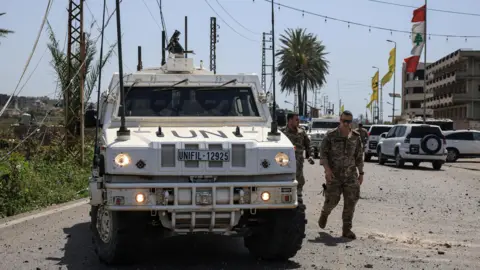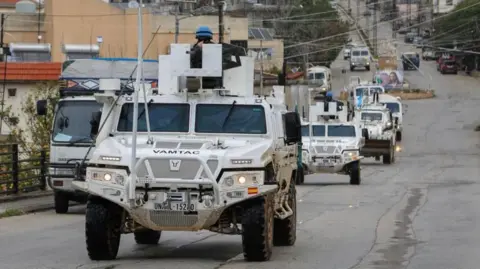
Two Indonesian peacekeepers were killed on Monday by a roadside explosion in southern Lebanon, UN peacekeeping chief Jean-Pierre Lacroix has said, citing the findings of an initial investigation.
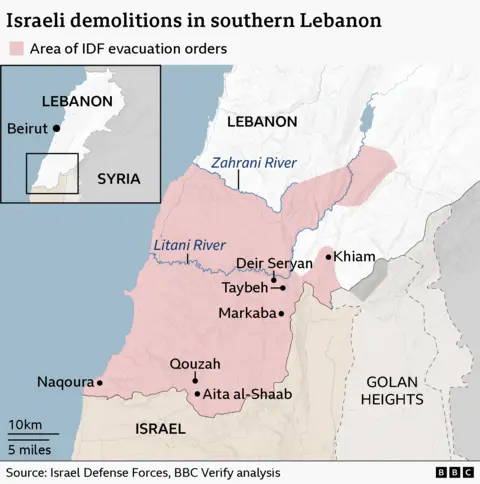
In a separate statement, the United Nations Interim Force in Lebanon (Unifil) said the explosion was of unknown origin and destroyed the peacekeepers' vehicle near Bani Hayyan.
A third peacekeeper was severely injured in the explosion, and a fourth was hurt, Unifil stated.
This was the second fatal incident in 24 hours, as another peacekeeper, also Indonesian, was killed on Sunday when a projectile, likewise of unknown origin, exploded in Adchit Al Qusayr, southern Lebanon.
Unifil confirmed that investigations are underway to determine the circumstances surrounding both incidents.
Lacroix reported to the UN Security Council that initial findings into the Monday incident indicated a roadside explosion had struck the convoy.
UN spokesperson Stéphane Dujarric stated that the peacekeepers' deaths were most likely caused by an improvised explosive device (IED). For the incident on Sunday, he noted it likely resulted from an explosive that landed near the peacekeepers' position.
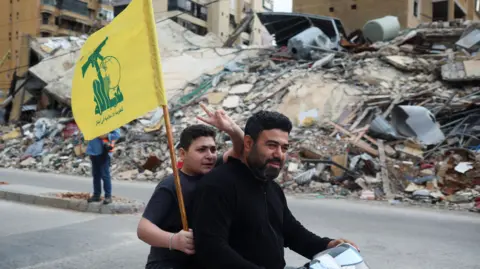
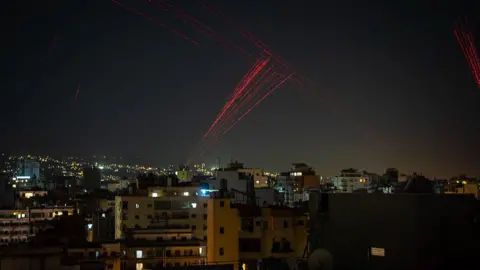
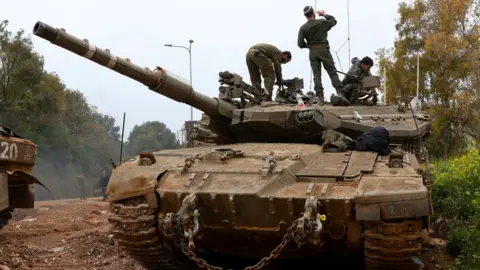
The deaths come shortly after the Israeli military announced it would intensify ground and air operations against the Lebanese armed group Hezbollah.
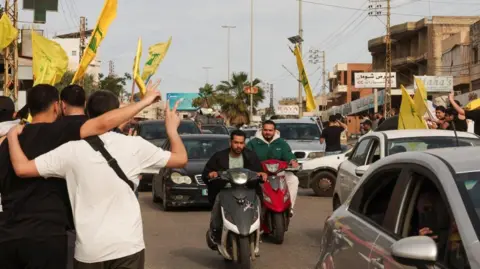
Hezbollah has retaliated against ongoing US-Israeli strikes on Iran by firing rockets into Israel.
The Israel Defense Forces (IDF) confirmed that their review concluded the Bani Hayyan explosion was not caused by IDF activity.
The IDF maintained that a comprehensive operational examination found no explosive device had been placed in the vicinity by their troops, claiming no IDF personnel were present in the area at the time.
Independently, the IDF announced the deaths of four of its soldiers in combat operations in southern Lebanon. Another soldier suffered severe wounds, while a reservist was moderately injured.
Dujarric called attention to the need for protection of peacekeepers, reminding that they are sent as representatives of the international community: Everyone needs to ensure that they are protected and never targeted.
He urged both Lebanon and Israel to engage through the Unifil mechanism for dialogue, emphasizing the need to respect Lebanon's sovereignty and territorial integrity.
The Indonesian government identified those killed: the Sunday victim was named Chief Private Farizal Rhomadhon, while the Monday fatalities were Captain Zulmi Aditya Iskandar and First Sergeant Muhammad Nur Ichwan.
Established in 1978, Unifil continues to serve as a buffer between Israel and Lebanon, currently patrolling the Blue Line in coordination with the Lebanese army. Since its inception, approximately 339 peacekeepers have lost their lives while serving in this role.
Despite attempts at a ceasefire in November 2024, ongoing hostilities have persisted, with a recent report indicating over 1,268 fatalities in Lebanon, including 124 children, since the ceasefire began.