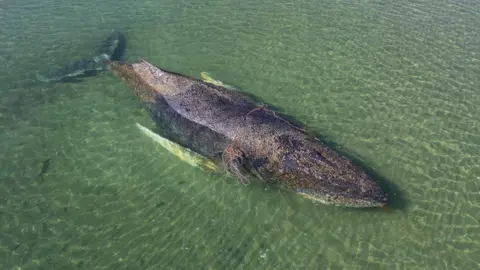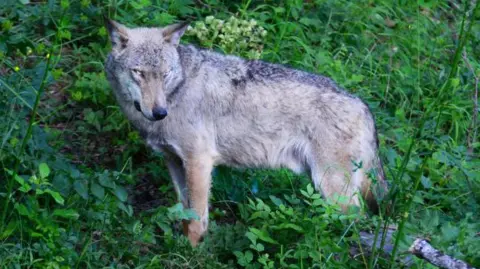
Poisoning is suspected in the deaths of 18 wolves within a few days in a national park that straddles three regions of central Italy.
After the carcasses of 10 wolves were found last week, another eight were discovered when patrols were stepped up in recent days at the Abruzzo, Lazio, and Molise National Park.
The park authority reported last week that traces of suspected poisoned bait had been found in an area where five of the wolves were found dead. The latest deaths raised very strong suspicion of further poisoning.
The authority is working to determine the cause of death and collaborating with local public prosecutors.
Initial suspicions appear to have been corroborated by tests carried out by the local animal health research institute IZS.
Thirteen of the dead wolves were analyzed at the institute in Teramo, which found the presence of pesticides for agriculture used in poisoned bait for animals.\
In light of this tragic event, Environment Minister Gilberto Pichetto Fratin condemned the killings as horrendous and serious, adding that the protection of wolves was crucial to the balance of our ecosystem.\
Italy's Institute for Environmental Protection and Research (Ispra) cautioned that the killing of wolves likely by poisoning posed threats to significant advances in animal protection and conservation.
Poisoned bait presents a concrete risk to other protected species as well as domestic pets and public safety.
Wolves have seen their population increase in Europe in recent years, with the European Union reporting a 35% rise in numbers to 23,000 from 2016 to 2023, particularly in Central Europe and Alpine regions.
In Italy alone, the wolf population was estimated to be about 3,300 according to a 2020-21 census by Ispra.
Accompanying this rise has been an upsurge in attacks on livestock, prompting the EU to downgrade the strictly protected status of wolves to protected. Recent EU data suggests 65,500 individual livestock are killed by wolves each year.
This status change has set the stage for a limited cull of 160 wolves to be allowed in Italy annually starting in 2026, but wildlife groups have appealed for a reassessment in light of the suspected poisonings.
Environmental group Legambiente's head, Stefano Ciafani, described the 18 deaths as an unprecedented attack on protected wildlife and an instance of do-it-yourself justice.\
He also warned that other species, including the Marsican brown bear—a critically endangered species considered a symbol of the Abruzzo national park—could now be at risk, with only about 50 such bears remaining.