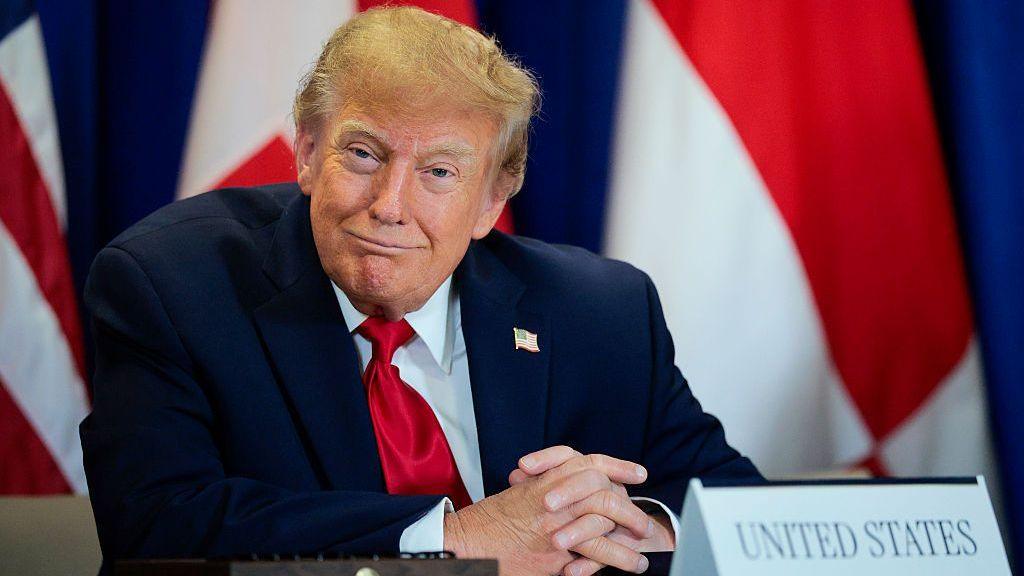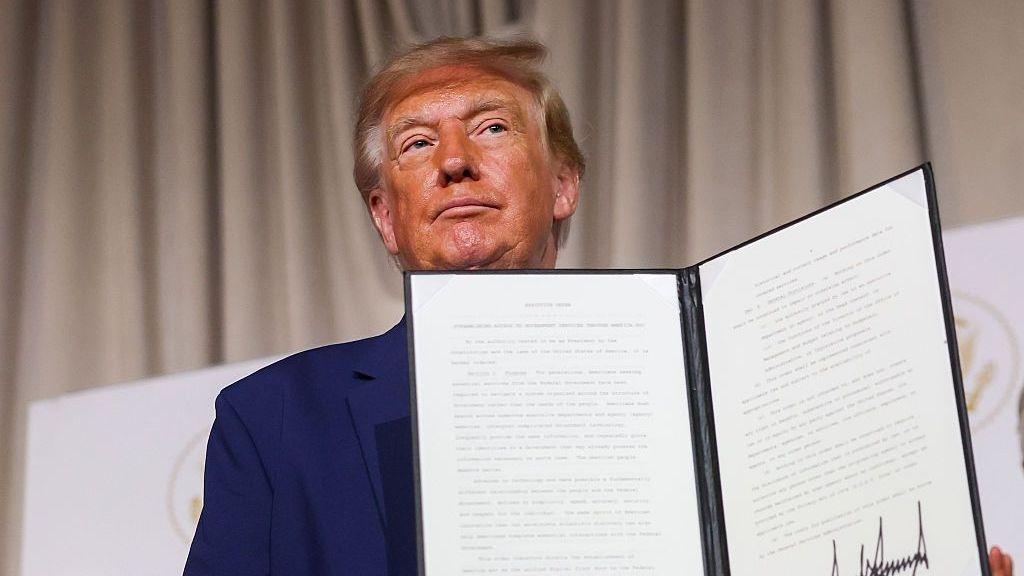
On Sunday, US President Donald Trump announced a new federal taskforce, the Super Intelligence Force, to oversee the country’s artificial intelligence strategy. The initiative follows an executive order issued on 29 September that officially renamed “artificial intelligence” to “Super Intelligence”, a move Trump said was designed to eliminate what he called the “fake” connotation of the original term.
The Super Intelligence Force will be led by James B. “Jay” Clayton, the new Director of National Intelligence. It will include senior officials such as FTC Chair Andrew Ferguson, the Undersecretary of Defense for Research Engineering, and the Director of the Office of Personnel Management. The group will report directly to the president and White House Chief of Staff Susie Wiles.
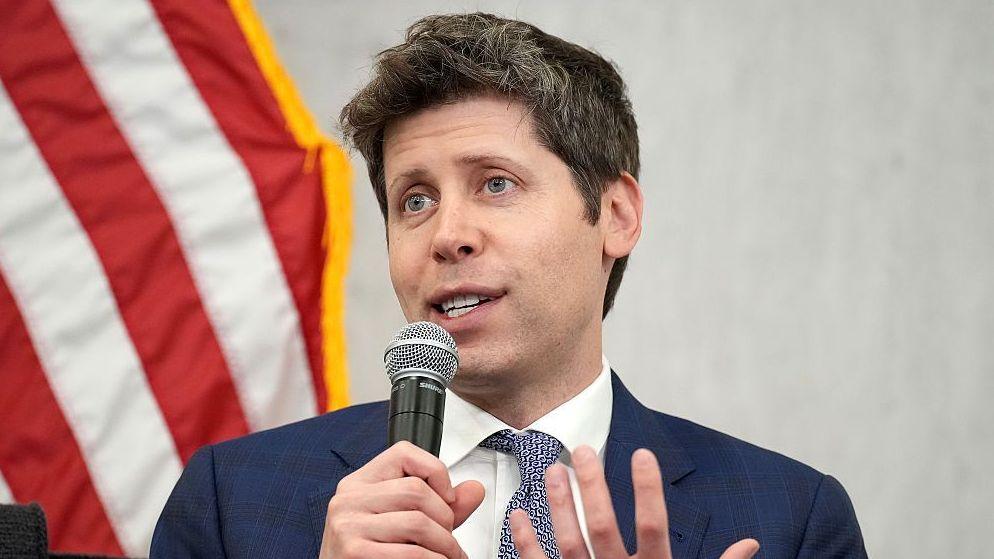
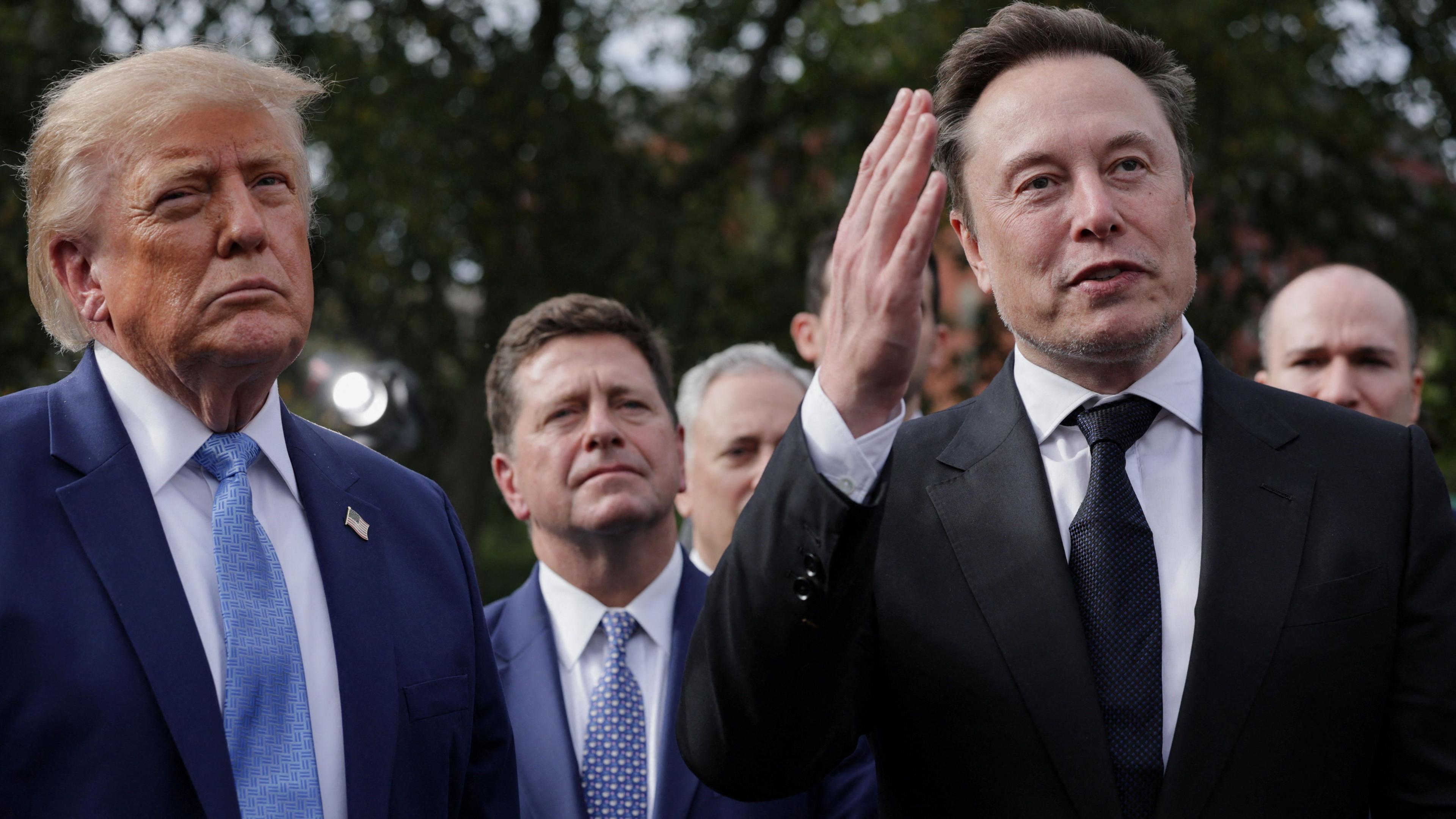
Trump’s announcement comes after a high‑profile “morally binding” agreement signed in late September by CEOs of major tech firms—including Sam Altman of OpenAI, Anthropic’s leadership, and Elon Musk—who pledged to self‑regulate AI safety. Trump has largely left regulatory responsibilities to industry while dismissing calls for stronger oversight.
The executive order also mandates that all federal departments and agencies use the terms “SI” and “Super Intelligence” in official correspondences, avoiding the term “artificial intelligence.” Some experts have questioned the practicality of the rebranding, arguing that it could create confusion about the technology’s capabilities and governance.
The rebranding has already seen early adoption: Elon Musk announced he would rename SpaceXAI to SpaceXSI, and the Tesla CEO has joined a government‑led project studying the future of war. Meanwhile, OpenAI’s CEO Sam Altman has publicly stated that the benefits of AI justify its risks and that the technology should remain broadly accessible.