In brief
In a move that stunned Washington, President Donald Trump has erased a package of new sanctions targeting Russia mere hours before they were scheduled to enforce. The decision has inflamed tensions with Ukrainian President Volodymyr Zelensky, who decried the U.S. as "completely disregarding" the law designed to pressure Russia to end its war. Trump’s move, defended as an effort to avoid a blow‑out for U.S. energy markets, has drawn sharp criticism from senators and congressmen across the aisle, while the Kremlin heralded the waiver as a historic win. Amid the fallout, Ukraine reports new attacks on its energy infrastructure and Starlink users complain of sudden speed restrictions, deepening fears that U.S. policy may be tipping in Russia’s favor.
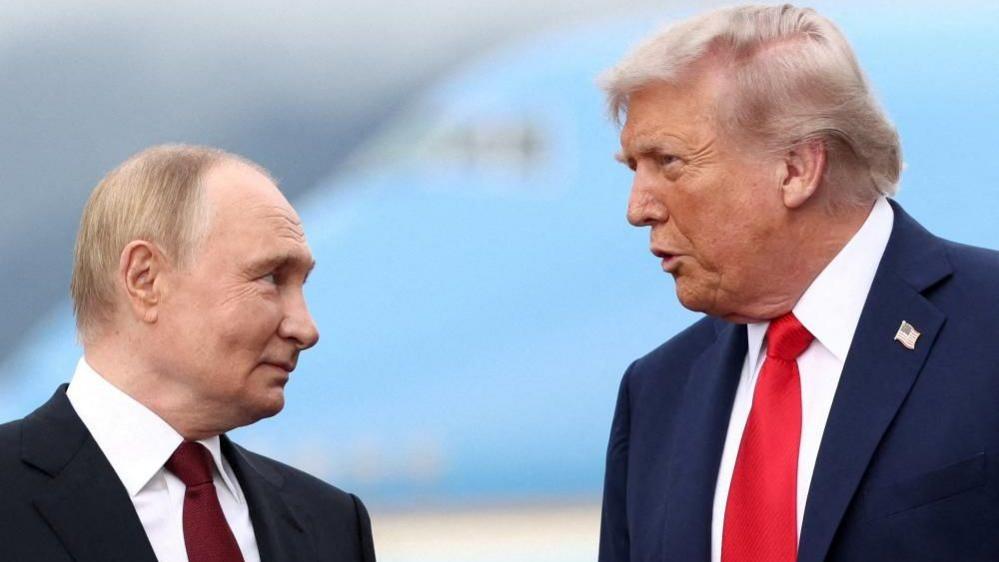
Donald Trump has rolled back a fresh wave of Russia sanctions just hours before they were set to take effect, pushing the United States further into an angry spat with Ukrainian President Volodymyr Zelensky and sending shock waves through Washington.
The sanctions, drafted earlier in the year and signed into law by President Trump in September, had aimed to hammer Russia’s economy by targeting the top five importers of Russian oil and gas – chiefly China and India – as well as senior officials, banking institutions and the maritime “shadow fleet” flouting existing embargoes. The executive order, issued at 11:20 pm on Friday, declares a 60‑day pause for the Trump administration to assess the impact on the U.S. and global economy.
Zelensky, in a televised statement Saturday, slammed the reversal as a betrayal. “It is unfortunate the US has decided to completely disregard the sanctions that are supposed to put real pressure on Russia to end this war,” he said. "These sanctions could have helped enormously," the Ukrainian leader added, warning that Russian overnight attacks on energy sites would plunge the country into a blackout before winter.
Russia’s permanent representative, Kirill Dmitriev, branded the order “an important and truly historic moment” and warned that the sanctions had threatened “serious damage” to the U.S. and global markets. Trump’s decision was framed as a national‑interest move aimed at curbing runaway fuel prices rather than an endorsement of Moscow.
The U.S.-Russia policy shift follows last week’s controversial deal to import Russian diesel to offset soaring energy costs amid the Iran war. Kyiv has accused Washington of backing Russia’s war effort by agreeing to the fuel swap and has called for a cessation of attacks on Ukrainian oil refineries, which it says were resumed after a brief ceasefire granted to the export of diesel.
Critics in Congress have reacted strongly. Democrat Don Beyer of Virginia lambasted the administration as capitulating to Moscow, while Republican senators Ted Cruz and John Cornyn called the waiver a mistake and reckless. North Carolina Senator Thom Tillis compared the move to giving a “solid” to Putin, and Nebraska Representative Don Bacon signaled that lawmakers might refuse to fund the Trump agenda.
Compounding the crisis, Ukraine’s satellite defence network Starlink has reportedly imposed sudden speed restrictions on some drones, which the Ukrainian Ministry of Defence says hampered battlefield operations. Zelensky argued that these constraints were technical glitches, but he noted that tests in EU territory showed no such limitations.
Additional reporting by Helen Sullivan and Sareen Habeshian.