In brief
President Trump announced a controversial plan to import up to 3 million tonnes of diesel from Russia, citing lowered fuel prices for farmers, truckers and ranchers. The move follows new U.S. sanctions against Russian energy exports and occurs amid the Israel–Iran conflict that has inflated global oil prices. Several Republican and Democratic senators say the deal violates law and hurts the war‑fighter, while Kyiv’s president calls it a financial lifeline for Putin. International leaders, including Canada’s prime minister and the UK defence secretary, criticize the policy, urging the U.S. to intensify pressure on Russia instead of supplying fuel. The arrangement has become a key issue in the upcoming mid‑term elections, as voters weigh economic performance and foreign policy decisions.
Washington‑DC, 11 Oct 2026— President Donald Trump has stirred fresh controversy in Congress and abroad by announcing a plan to import up to three million tonnes of diesel from Russia. The policy, meant to slash fuel prices for key domestic industries such as farming, ranching and trucking, comes at a time when the war between Israel and Iran has pushed up global oil costs.
Trump said the Soviet Union’s leader had agreed to ship 300,000 tonnes of diesel immediately, with an additional 500,000 tonnes scheduled for November and a million tonnes the following month. A further three million tonnes could be delivered “within a short period,” depending on how quickly Moscow’s refineries recover from Ukrainian attacks.
Contrary to the feeling in Congress, the administration hinted that the deal would be “allowed through existing legal channels.” However, eight senators—including Republicans Susan Collins and Lisa Murkowski and Democrats Jeanne Shaheen, Richard Blumenthal and Ron Wyden—filed a statement declaring the arrangement a violation of U.S. law and a financial lifeline for Putin.
Alexander Novak, Russia’s deputy prime minister, confirmed the figures to the state news agency TASS, noting the export volume could reach three million tonnes per month in the future. Zelenskyy, Ukraine’s president, called the deal a “gift to Putin” that is an investment in a war that must end.
Accusations of legal violations come on the heels of a U.S. Treasury sanction that suspends penalties on Russian diesel exports until 7 April, while other Russian assets—such as holdings in U.S. banks—remain frozen. Congress had explicitly banned Russian energy imports in 2022 to prevent American dollars from funding Ukraine’s war effort.
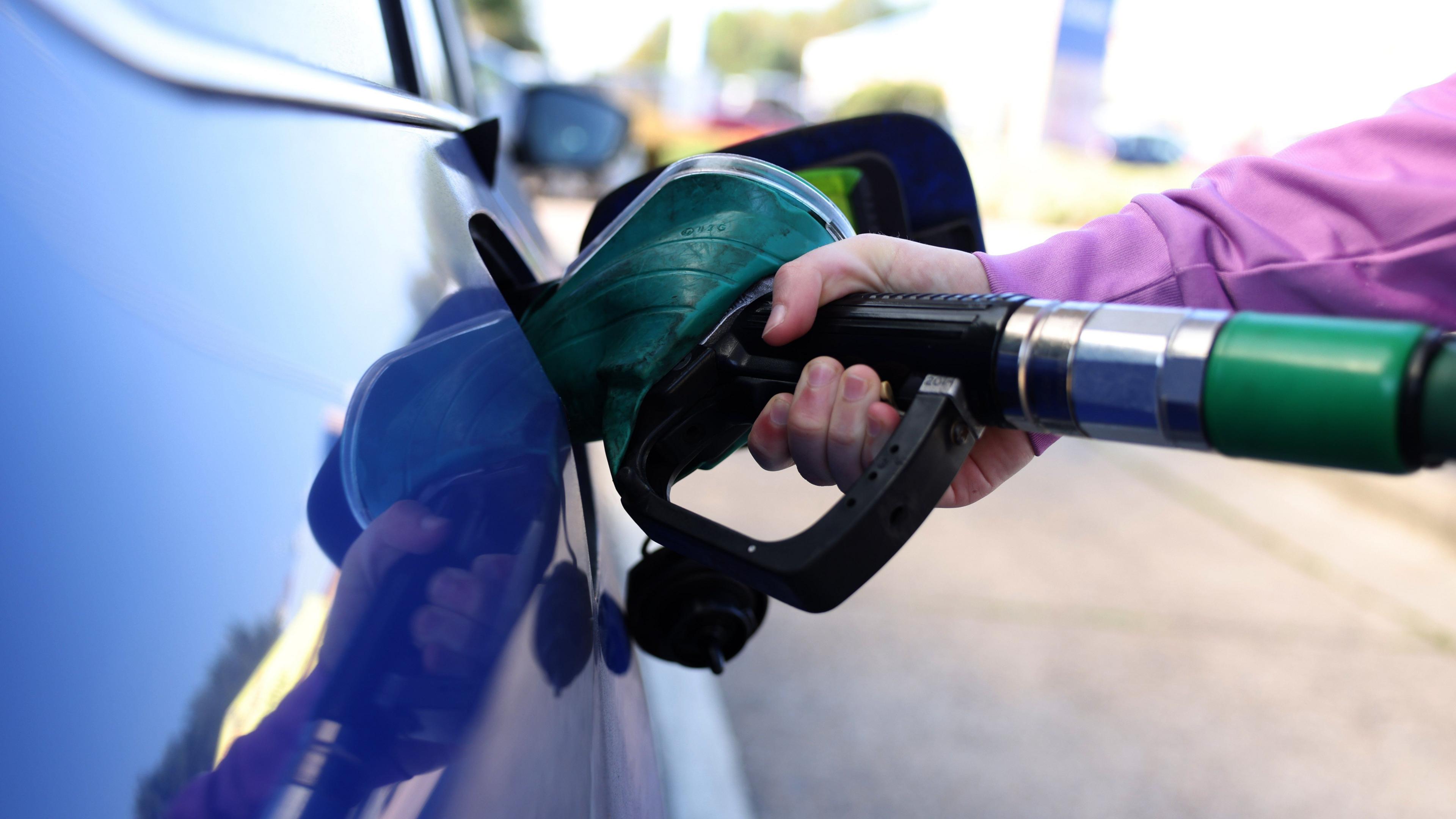
Critics argue that even a 300,000‑tonne shipment, roughly half of the United States’ daily diesel consumption of 3.6 million barrels, will not substantially dampen the soaring price—currently $6.28 a gallon according to AAA. Polls show the public disapproves of the Trump administration’s handling of economic and foreign‑policy matters ahead of next month’s midterm elections.
Global fuel prices have surged since the end of February, when the conflict over Iran has disrupted supply chains of crude oil, a key ingredient of diesel. For U.S. agriculture, which relies heavily on diesel to power machinery and transport produce, the higher costs add pressure on the reading nations’ political mood.
Beyond the United States, many world leaders have voiced disapproval: Canada’s Prime Minister Mark Carney and UK Defence Secretary Wes Streeting called the arrangement “a shortcut” while urging stronger pressure on Russia. The deal remains a divisive issue that will influence public opinion during the Democratic and Republican primaries, as well as the general electorate’s expectation of economic stewardship.