In brief
Nigeria's foreign ministry confirmed the deaths of Emeka Charles Iroegbu and Musa Yunana Joe in Pretoria and eMalahleni, respectively, following violent anti‑immigrant protests. The killings occurred amid a wave of hostility against migrants, with government officials and activists in South Africa being accused of inciting violence. Abuja has threatened to seek compensation and to document properties left by Nigerians, while South African government officials dismissed compensation and called for Nigerians to sell their properties. The incident underscores growing tensions over migration and human rights in South Africa.
Nigeria mourns two nationals killed amid anti‑immigrant protests
On 28 June, Nigerian authorities confirmed the deaths of Emeka Charles Iroegbu in Pretoria and Musa Yunana Joe outside his shop in eMalahleni, South Africa.
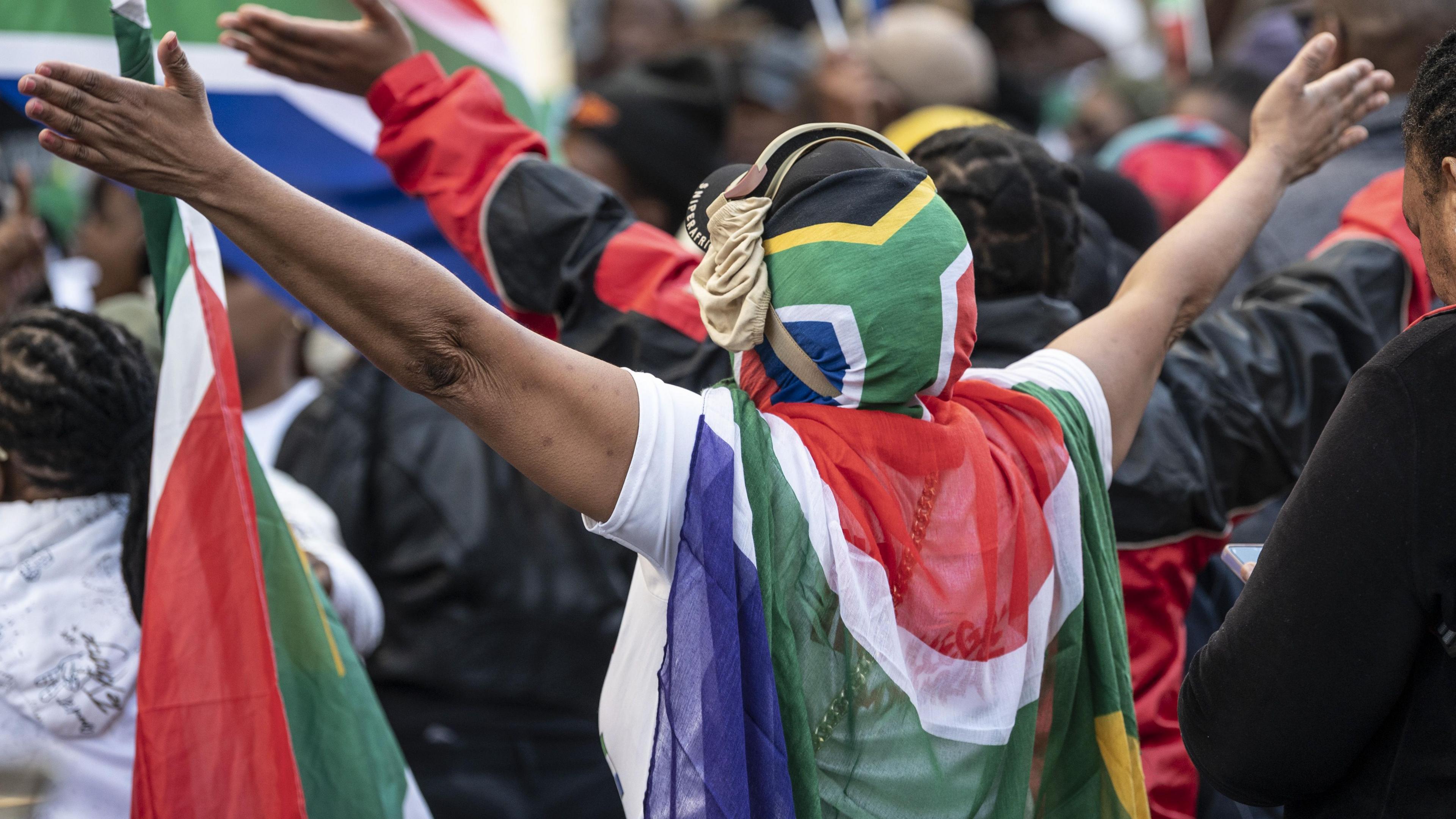
The killings happened during escalating anti‑immigrant demonstrations led by groups such as Operation Dudula, which have called for the forced departure of all foreign nationals by 30 June.
Nigeria’s foreign ministry stated the incidents reflected a pattern of "intolerance and apartheid‑style" behaviour aimed at migrants, and it placed the South African government on notice over the treatment of Nigerian citizens.
Abuja has announced it will seek compensation for Nigerians who left the country and began documenting the businesses and properties abandoned by its nationals.
South African cabinet minister Khumbudzo Ntshavheni rejected compensation claims and urged Nigerians to sell the properties they left behind, while also accusing Nigerians of drug‑related offences.
In response, the Nigerian foreign ministry condemned the minister’s remarks as "hateful" and called them "hate speech" for describing Nigerians in derogatory terms.
Meanwhile, the South African platform of protests remains largely peaceful, with police reporting that demonstrations across the country were non‑violent, yet tensions between communities remain high.
These events highlight the fragile state of migrant relations in South Africa, where unemployment is over 30% and anti‑migrant sentiment is rising rapidly.
"Such derogatory, unprofessional and uncensored generalised public statements by highly placed government officials constitute hate speech," the ministry said.