In a transformative legal initiative, multiple children born to British soldiers stationed at a military base in Kenya have confirmed their paternity through DNA testing, revealing that many fathers whom they believed to be deceased are in fact alive. These revelations not only provide lifelong answers for the children but also open pathways for financial assistance and British citizenship.
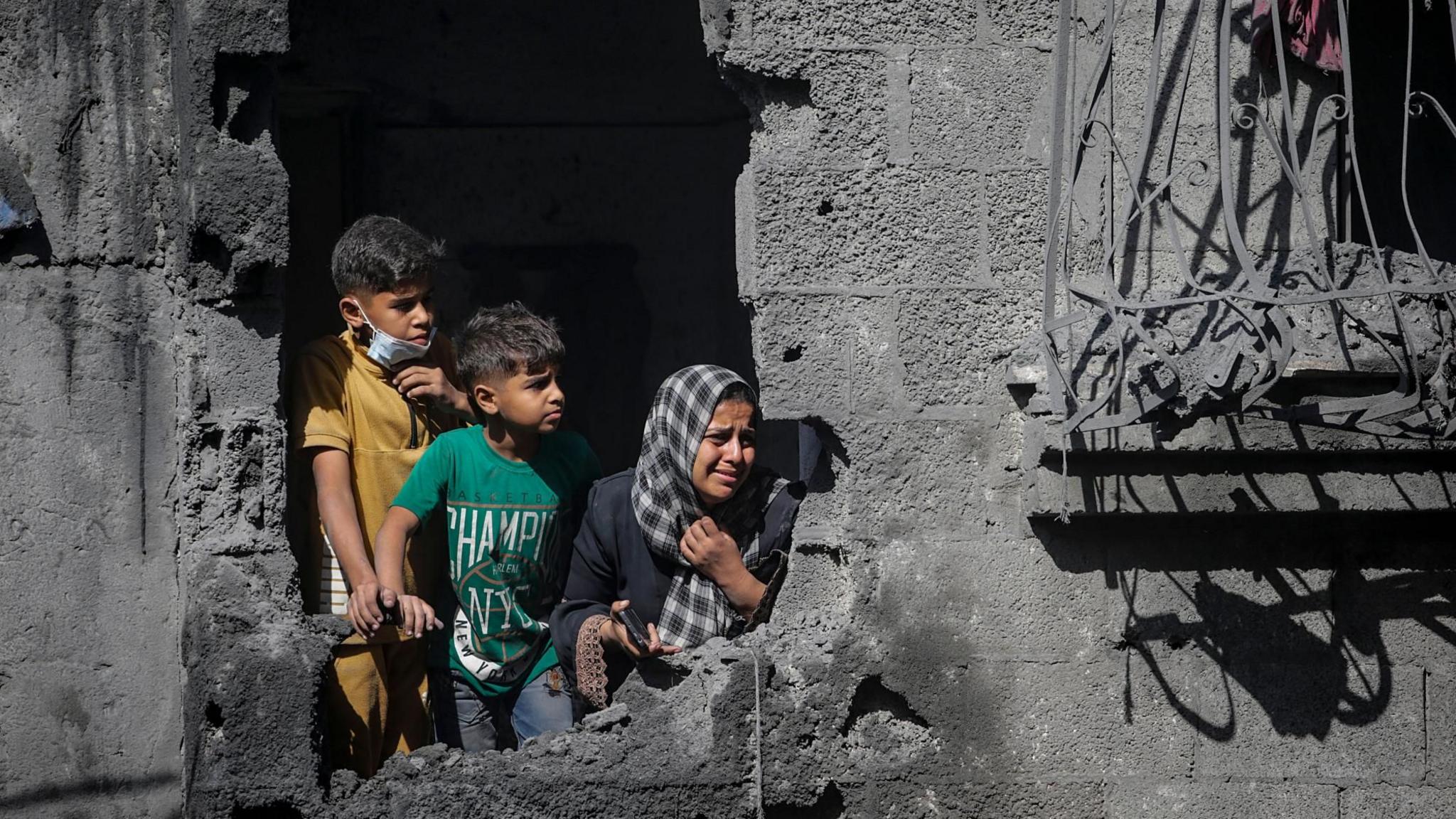
For instance, Edward, a nine-year-old boy from Kenya, had long faced bullying due to his lighter skin. His father had disappeared before he was born, leaving Edward's mother struggling in poverty and ostracized by family. With new legal mechanisms, 12 fathers have been identified due to efforts by UK solicitor James Netto and Kenyan lawyer Kelvin Kubai, enabling these children to pursue their rights and heritage.
The British Army Training Unit in Kenya (Batuk), established in 1964, has witnessed significant controversy over the years, especially amid a Kenyan parliamentary inquiry that accused British soldiers of a “culture of impunity,” leading to various rights violations.
As the legal landscape shifts, children like Yvonne, who believed her father was dead, are also discovering their fathers are alive and could become eligible for support. The initiative highlights the need for accountability and responsibility from military personnel involved with local women during their time in Kenya.
Both Netto and Kubai advocate for continued support mechanisms for British soldiers’ children, encouraging responsibility and acknowledgment of familial ties. The Ministry of Defence states they regret the challenges arising from their presence and are addressing them, while discussions continue regarding the long-lasting impacts of colonial relationships.