In brief
In a critical assessment, scientists have expressed concerns over controversial geoengineering techniques aimed at cooling the planet. Over 40 polar researchers warn that these methods could cause severe environmental damage and distract from essential efforts to reduce fossil fuel consumption.
Plans to fight climate change by manipulating the Arctic and Antarctic environment are deemed dangerous, unlikely to succeed, and could distract from the urgent need to reduce fossil fuel usage, according to dozens of polar scientists.
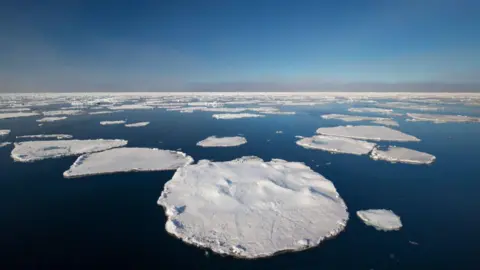
These polar 'geoengineering' techniques aim to cool the planet in unconventional ways, including artificially thickening sea ice or releasing reflective particles into the atmosphere. Such methods have gained traction as potential solutions for combatting global warming alongside efforts to cut carbon emissions.
However, more than 40 researchers have cautioned these techniques could inflict severe environmental damage and advocated for a greater focus on achieving net zero emissions—the only established pathway to limit global warming.
Geoengineering is one of the most controversial areas of climate research, with some methods widely accepted, such as carbon dioxide removal through afforestation or technology, while more radical ideas receive pushback for failing to address the root causes of climate change.
Professor Martin Siegert from the University of Exeter, who led the assessment published in the journal Frontiers in Science, emphasized that radical geoengineering responses often address symptoms rather than the causes of climate change.
Concerns extend beyond environmental effects. The geopolitical ramifications of unilateral geoengineering measures could ignite tensions in polar regions, where governance is complex.
Despite over £60m in funding for research into geoengineering in the UK, the authors of the assessment view these proposals as unrealistic. They argue that efforts would be better channeled toward decarbonization and advancing polar science.
Ultimately, the consensus remains that emissions reduction must be prioritized. Supporters of geoengineering underline its role as a possible adjunct to emissions mitigation, rather than a replacement, cautioning that without aggressive emissions cuts, any geoengineering measures would be futile.