In brief
WHO has asked Russia for further information after a researcher died in a Siberian plague laboratory. The cause of the worker’s illness remains uncertain, yet officials confirm no spread of Yersinia pestis to colleagues. Pneumonic plague, the most lethal form, can transmit via respiratory droplets and has a high fatality rate without prompt treatment. Experts emphasize the importance of laboratory research while stressing strict biosafety measures.
The World Health Organization (WHO) has asked Russia for further details after the death of a research scientist in a Siberian plague laboratory on 6 October 2026. While Russian officials say the cause of the worker’s illness remains unclear, they confirm that those who handled the scientist tested negative for Yersinia pestis, the bacterium that causes pneumonic plague.
Pneumonic plague is the most virulent form of the disease. The bacterium can spread from infected fleas or animals and, more dangerously, through airborne droplets from coughing patients. Its case‑fatality rate approaches 100 % if untreated, but early antibiotic treatment can be lifesaving.
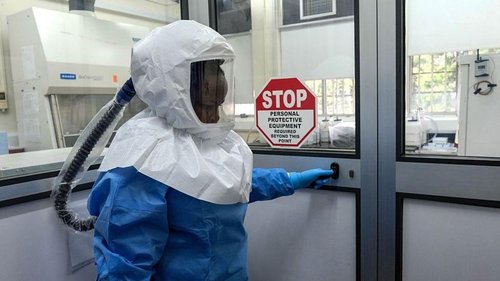
Experts note that the same strain played a major role in the Black Death and that laboratory studies are essential for developing diagnostics, vaccines and surveillance. Dr Zania Stamataki of the University of Birmingham stresses that “research on live plague is necessary to prepare for outbreaks,” while acknowledging the need for strict biosafety measures.
The incident has drawn comments from U.S. CDC officials who say there is no broader threat to the United States, and from the UK’s Health and Safety Authority, which calls the risk to its population “very low.” While investigations continue, WHO’s request underscores global attention to maintaining robust safety protocols in high‑risk research settings.