In brief
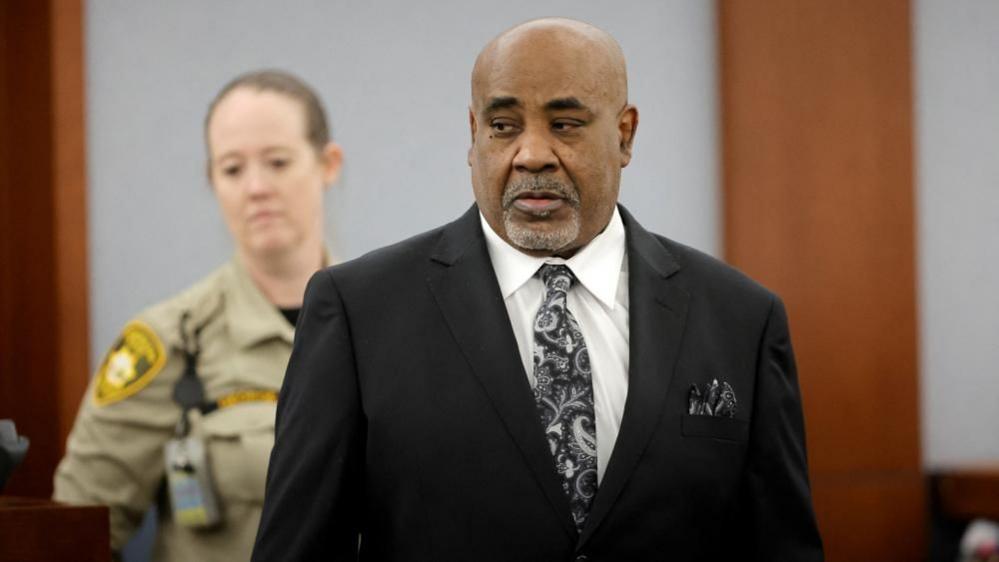
During the trial of Duane "Keffe D" Davis, prosecutors presented a 2008 police interview that implicates Davis in orchestrating the 1996 drive‑by shooting that killed Tupac Shakur. The interview reveals that Davis allegedly handed the gun to a passenger, who passed it to nephew Orlando Anderson, who fired the shots. Davis’s lawyers challenge the evidence, citing a later memoir that the author wrote for publicity and that no reliable witnesses can confirm the shooting details. Witnesses in the courtroom note a gang‑war context, while prosecutors maintain that Davis ordered the attack following a fight with Shakur. The trial continues to wrestle with questions of testimony credibility, weapon possession, and the political fallout from a decade of unresolved speculation.
Witness Testimony Says Neighbour’s Gun Fired Tupac’s Mysterious Death
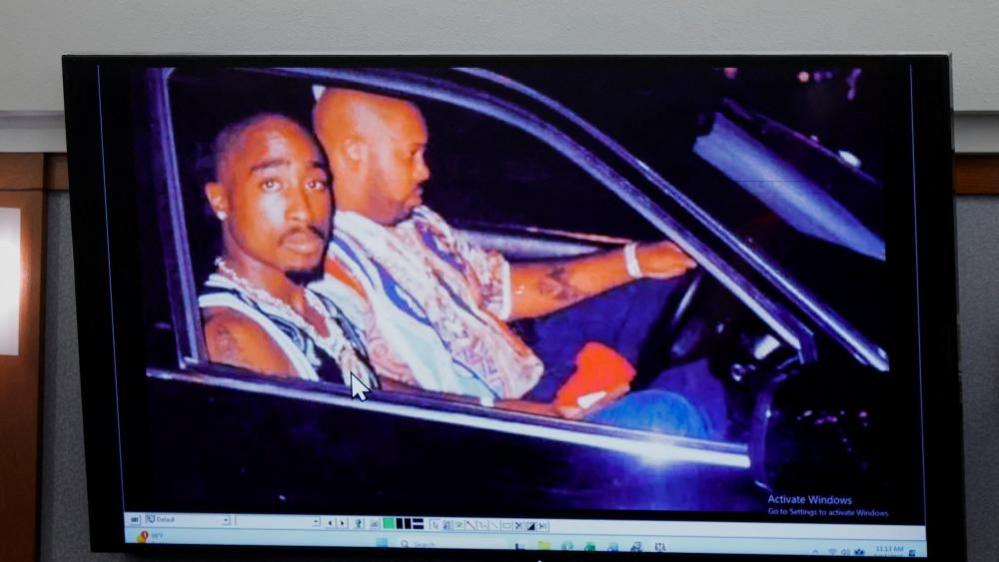
In the courtroom at the Clark County district court, jurors heard a phone‑dialed interview from 2008 that could change the nation’s view of how rapper Tupac Shakur was killed in September 1996.
Prosecutors claim that Duane "Keffe D" Davis, a former gang leader who now faces a single murder count, was not the shooter but supplied the weapon and plotted the assault after an altercation between Shakur and Davis’s nephew, Orlando Anderson, earlier that night. The interview "transcript" says Davis passed a handgun to a passenger who passed it to Anderson, and that Anderson then fired the shots that killed Shakur.
Davis’s defence argues that the interview was recorded under a special immunity agreement that later lost its validity when the defendant publicly discussed the case in a 2019 memoir. The lawyer says the book “may have fictionalised elements for commercial gain” and that none of the statements in the interview can be used against his client.
Additional witnesses relayed the gang‑war atmosphere that night. A former homicide detective told jurors that no one was able to positively identify the shooter, while a former entourage member confirmed that insiders blamed Anderson and other suspects for the shooting.
The trial is a pivotal moment in an unresolved cold case that has captivated the public for three decades. The legal team is waiting for a verdict that could either confirm Davis’s role in orchestrating the fatal shooting or absolve him of direct involvement in Tupac Shakur’s murder.