In brief
In response to a tragic bear attack that claimed a man's life, Slovakia’s government has extended a state of emergency to permit the culling of 350 brown bears.
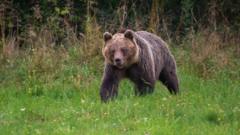
The Slovak cabinet has made a significant decision to allow the culling of 350 brown bears, which represents approximately a quarter of the country’s bear population. This action was prompted by a recent incident in Central Slovakia, where a man was killed by a bear while walking in the woods. Prime Minister Robert Fico emphasized the urgency of the action, stating, "We can't live in a country where people are afraid to go into the woods."The special state of emergency enabling bear shootings has been expanded to cover 55 out of Slovakia's 79 districts, indicating a broad scope encompassing most of the nation. The government has previously relaxed laws surrounding the protection of bears, facilitating their shooting if they approach human dwellings. As of now, 93 bears have reportedly been culled since the policy's inception.However, this decision has faced significant backlash from conservationists and environmentalists who argue that the culling violates international laws and undermines efforts to manage bear populations sustainably. Michal Wiezek, an ecologist and member of the opposition party Progressive Slovakia, criticized the government's plan, suggesting it reflects a failure to address the root causes of bear encounters.The gruesome discovery of a man's body in a forest near the town of Detva, with injuries consistent with a bear attack, has underscored the seriousness of the situation. Local authorities confirmed that evidence of a bear den was present near the scene. This incident follows a series of bear-related encounters, including another fatality earlier this year when a woman was tragically killed while fleeing from a bear.Despite the rising tensions between wildlife and human safety, Environment Minister Tomas Taraba stated that Slovakia's bear population is growing, and he suggested the ideal number should be around 800. However, experts dispute these claims, indicating that the population remains stable at approximately 1,270.As discussions continue about the future of bear management in Slovakia, the ongoing debate reflects the complexities of wildlife conservation in areas where human and animal interactions are increasingly fraught.